



A study in Cureus 2024 evaluated a nutraceutical and phytotherapeutic compound for eight weeks in 28 adults with chronic insomnia associated with anxiety. It was an observational, single-group study in people already diagnosed with insomnia disorder. Participants showed clear improvements in subjective sleep quality, anxiety, mood and stress, with no safety concerns.
These results are of interest to anyone who lives with restless nights and racing minds. The study suggests that a well thought-out combination of herbs, amino acids, vitamins and minerals can comprehensively support the systems that regulate sleep and emotions, always as a complement to daily habits.
What the study did with the nutraceutical compound in people with insomnia and anxiety
The work was carried out in a single centre with 28 adults, mostly women aged around 44, all diagnosed with insomnia disorder and anxiety symptoms. For eight weeks they took a sachet each night containing a fixed mixture of plant extracts, amino acids, vitamins and trace elements, dissolved in water one hour before bedtime.
The researchers measured progress with validated questionnaires, such as the Pittsburgh Sleep Quality Index, anxiety and depression scales, stress perception, fatigue and quality of life. At four and eight weeks, significant decreases in insomnia, anxiety, depression and stress scores were observed, as well as improvements in emotional dimensions of quality of life. Fatigue changed little and no relevant safety issues were reported.
It is important to remember that this was a study with no control group. This means that it cannot demonstrate cause and effect with the same strength as a randomised clinical trial, although it offers an interesting signal about the potential of combined nutraceutical approaches in this patient profile.
How sleep, anxiety and the hyperarousal model of the organism are related
The article draws on the hyperarousal model of insomnia disorder. According to this approach, many people with chronic insomnia live in a heightened state of alertness day and night, with a highly active sympathetic nervous system and an overloaded hypothalamic-pituitary-adrenal axis, the stress axis.
In practice, this translates into difficulty in switching off, mental rumination, muscle tension and a higher than desirable inflammatory background. The study suggests that an effective approach should act on several parts at once, not just induce sleep. That is why the compound included plants that act on GABA receptors, amino acid precursors of serotonin and melatonin, vitamins that facilitate these pathways, and minerals that modulate glutamate and GABA receptors.
The result was an improvement not only in perceived sleep, but also in emotional state, stress and some aspects of quality of life. This supports the idea that supporting neurochemical and inflammatory balance can alleviate both insomnia and associated anxiety.
Daily habits that reinforce the effect of a nutraceutical approach to sleep
The article itself stresses that cognitive behavioural therapy for insomnia remains the first-line treatment, although it is not always available. In everyday life, some habits help to lower the hyperarousal that fuels insomnia and anxiety.
These include regular bedtimes and wake-up times, including weekends, light and early dinners, reduction of bright screens late in the day and exposure to natural light in the morning. Simple breathing techniques, gentle stretching or quiet reading can also serve as transitional cues to rest.
Eating a diet rich in vegetables, nuts, legumes and sources of magnesium and B vitamins naturally supports pathways involved in the synthesis of neurotransmitters such as serotonin and GABA. On this habit pattern, a well-designed nutraceutical compound can function as an additional physiological booster.
How a nutraceutical supplement can support sleep and calm physiology
The Cureus study focused on a multi-component product combining plant extracts traditionally used in rest and anxiety, along with amino acids, vitamins and minerals. The extracts included plants such as valerian and chamomile, known for their historical use in the context of sleep and relaxation.
In the formulation studied, these extracts were integrated with nutrients involved in the synthesis of GABA, serotonin and melatonin, and with mineral cofactors that modulate the stress response. This synergy, designed to act on several levels, was associated over eight weeks with better perceived sleep, less anxiety and a more stable emotional state in people with insomnia and anxiety.
This type of evidence supports the interest in nutraceutical formulations that are not limited to a single ingredient, but combine plants and nutrients with complementary functions. They are always intended to support physiology, not as substitutes for clinical assessment and treatment.
How a supplement such as Nutribiolite’s 4Sleep fits into this physiological approach to rest
Although the Cureus study used its own combination of ingredients, its multidimensional approach fits with the philosophy of products that integrate melatonin with plant extracts traditionally used in sleep, such as valerian and chamomile. Such formulations seek to accompany the body’s natural pathways that regulate the sleep-wake cycle and emotional balance.
In this context, a supplement such as Nutribiolite’s 4Sleep is aimed at adults who already take care of their diet and night-time routine and want additional physiological support. The combination of melatonin with soothing plant extracts is in line with the idea, reinforced by the study, of acting both on the sleep onset signal and on the emotional and hyperarousal terrain that often accompanies insomnia and anxiety.
Used as part of a consistent routine, with regular schedules, sleep hygiene and stress management, such a supplement can help the body regain a more stable sleep rhythm and a calmer experience of the night.
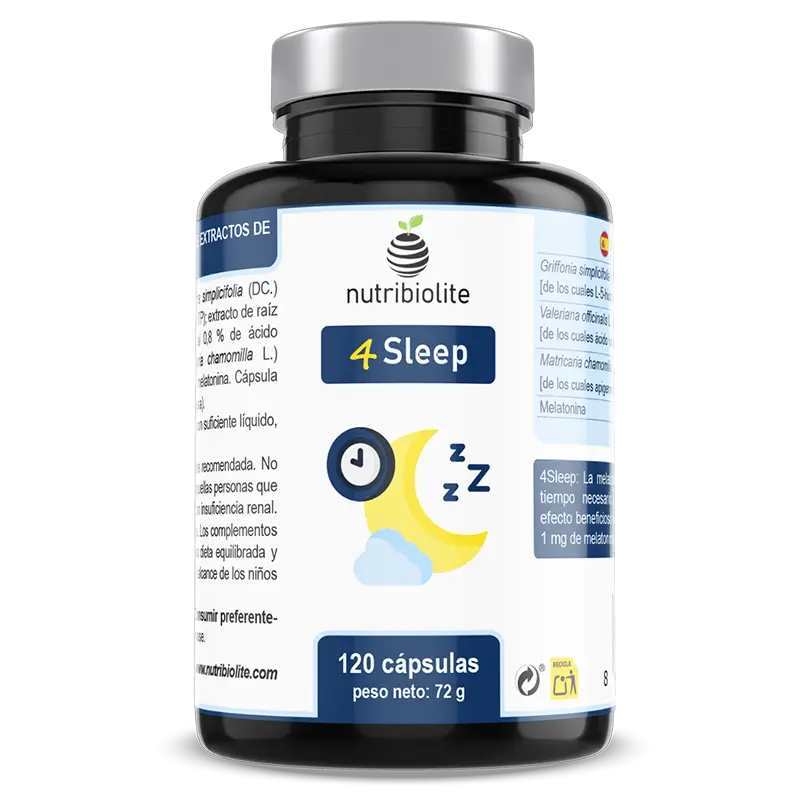
A nutraceutical supplement designed for adults who wish to physiologically support their sleep rhythm and their sense of calm at night.
What this study means for your sleep routine
The work published in Cureus reinforces the idea that chronic insomnia with anxiety is a system-wide problem, not just a problem of the hours we spend in bed. Approaches that combine habit changes and well-designed nutraceutical support can alleviate hyperarousal and improve the subjective experience of sleep.
For daily life, the message is clear, taking care of regularity of schedules, exposure to light, quality of food and stress management remains the foundation. Building on this, nutraceutical compounds integrating melatonin and soothing plant extracts represent a coherent option for those seeking additional support aligned with physiology.
This content is informative and is not a substitute for the advice of a healthcare professional.
Frequently asked questions
What did the study on the use of a nutraceutical compound in insomnia with anxiety show?
The observational study in 28 adults with insomnia and anxiety found significant improvements in perceived sleep quality, anxiety, depression and stress after eight weeks of use, with no relevant safety concerns. The results should be interpreted with caution because there was no placebo group.
How a multi-component nutraceutical approach differs from a single ingredient approach
A multicomponent approach combines herbs, amino acids, vitamins and minerals that act in complementary pathways, for example GABA, serotonin, melatonin and stress response. The study suggests that this synergy may be useful in people with insomnia and anxiety, always as a complement to lifestyle habits.
For whom a supplement such as 4Sleep may make the most sense
It makes the most sense for adults who already take care of their sleep, eating and stress management routines, but who still find it difficult to get or maintain a restful night’s sleep. In this context, a supplement with melatonin and soothing plant extracts can provide additional physiological support.
How long it usually takes for nutraceutical compounds to show effects
In the Cureus study, improvements were observed at four weeks and were maintained or optimised at eight weeks. This indicates that the effects are usually gradual and require consistency, integrated into a consistent rest routine.
What role do habits play if I already use a sleep supplement?
Habits remain the basis. Regular schedules, a dark and quiet environment, reduced screen time at night and a balanced diet make it easier for any nutraceutical supplement to act on a more receptive body, increasing the likelihood of a more stable sleep experience.