




This analysis is particularly relevant for adults living with cardiometabolic risk factors or age-related cognitive decline. It also provides guidance for those who want to protect their long-term brain health through a combination of diet and lifestyle.
Study shows omega-3 and omega-6 balance influences many chronic diseases
The paper published in Nutrients is a comprehensive review of human studies and experimental models. It looks at how different patterns of omega-3 and omega-6 intake are linked to cardiovascular disease, diabetes, cancer, skin problems, neurological impairment and depression.
The authors describe consistent effects of long-chain omega-3s, especially EPA and DHA, on triglycerides, inflammation and cell signalling. The changes are modest in magnitude, but relevant when sustained over time and combined with other healthy habits.
Long-chain omega-3s are involved in membrane structure, inflammation and neuronal signalling.
The study explains that unsaturated fatty acids are part of the membranes of all cells. DHA, docosahexaenoic acid, is particularly abundant in the brain and retina, where it contributes to the flexibility of membranes and the proper functioning of synapses.
When the diet provides sufficient EPA and DHA, the body produces omega-3-derived mediators with anti-inflammatory and pro-resolving action. This means that they help to shut down inflammatory processes in an orderly fashion, which is key in blood vessels, nerve tissue and skin.
The review also highlights that a relative excess of omega-6 versus omega-3 favours the synthesis of pro-inflammatory molecules. The point is not to demonise omega-6s, which are essential, but to maintain a more balanced ratio, with more oily fish and fewer refined and ultra-processed vegetable oils.
Daily habits that support the role of omega-3s in brain, heart and metabolism
The authors insist that the basis remains diet. They recommend giving priority to small and medium-sized oily fish, such as sardines, mackerel or anchovies, several times a week. They also advise reducing highly refined vegetable oils and ultra-processed products rich in omega-6.
Other habits that align with the physiology described in the study include maintaining a healthy weight, moving daily, getting a good night’s rest and limiting smoking and excess alcohol. All of these factors influence systemic inflammation and the health of blood vessels and neurons.
For many people, these changes already result in clear improvements in markers of well-being, such as more stable daily energy, better tolerance to exertion and a feeling of greater mental clarity.
DHA and phosphatidylserine on brain health
Some food supplements combine concentrated sources of DHA, from fish oils or microalgae, with phospholipids such as phosphatidylserine. This molecule is part of neuronal membranes and has been studied for its role in communication between neurons and in the stress response.
In a brain health routine, this type of formula is often considered as an additional support for adults who are already taking care of their diet, physical activity and rest, and who wish to boost the supply of long-chain omega-3s related to cognitive function. The Nutrients study reinforces the interest in these physiological pathways, where DHA is integrated into neuronal membranes and is involved in the regulation of inflammation and synaptic signalling.
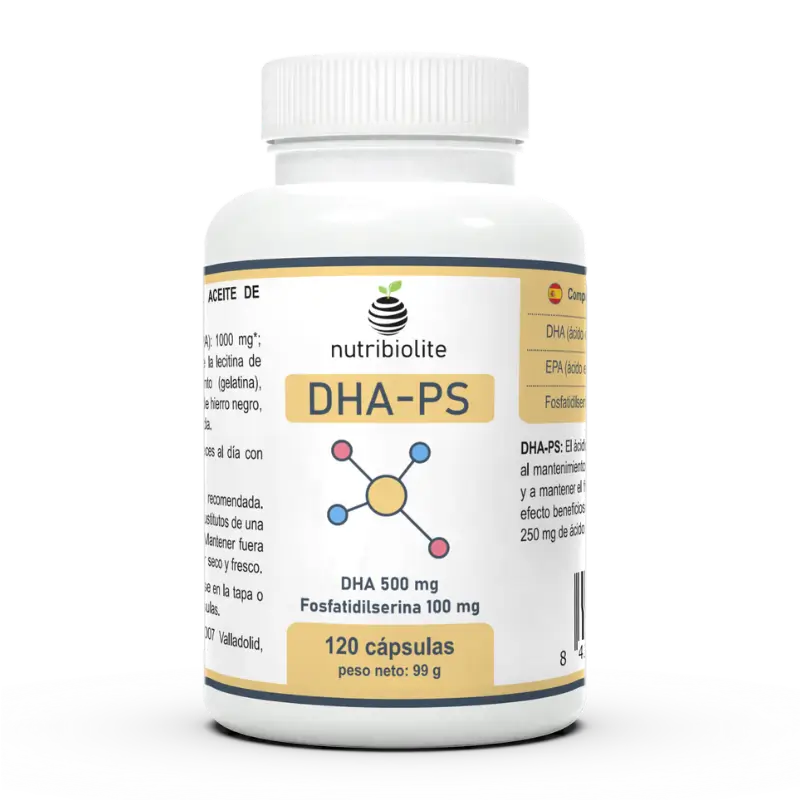
A supplement with DHA and phosphatidylserine for adults who wish to support brain and vision health from a physiological perspective.
What this evidence means for your daily life
The central message of the study is clear: unsaturated fatty acids are not a minor detail of the diet, they are part of the architecture of cells and modulate processes such as inflammation, hormone signalling and neuronal communication.
For an adult, this translates into everyday choices, choosing more oily fish, prioritising fresh over ultra-processed foods, and maintaining a routine of movement and rest. In some cases, it may make sense to consider quality DHA supplements, always integrated into a healthy lifestyle.
In summary, taking care of the balance between omega-3 and omega-6 is a concrete way to support the heart, metabolism, skin and brain over time.
This content is informative and is not a substitute for the advice of a healthcare professional.
Frequently asked questions
What is the difference between omega 3 and omega 6 in daily practice?
Both are essential fatty acids and the body needs both. The problem arises when the diet is high in omega-6, found in refined and ultra-processed oils, and low in long-chain omega-3s, such as EPA and DHA. The study in Nutrients points out that a better balance is associated with less inflammation and better cardiovascular and brain health.
How can I increase my intake of long-chain omega-3s with food?
The most straightforward way is to include small and medium-sized oily fish several times a week, such as sardines, mackerel or anchovies. Seafood and, to a lesser extent, eggs from hens fed omega-3s also help. Plant sources such as chia or flaxseed provide ALA, which is converted to DHA and EPA with low efficiency.
Does the study mention specific benefits on memory
The review does not focus on a single memory trial, but on many papers linking DHA and EPA to key processes in the nervous system. It highlights their role in neuronal membrane structure, synaptic signalling and regulation of inflammation, factors that influence long-term cognitive health.
Does supplementation with DHA make sense if I already eat oily fish?
It depends on how often and how much fish you eat, and your health goals. If your intake is low or irregular, a DHA supplement can be a convenient way to ensure a steady intake, always in support of a varied diet and good lifestyle habits.
How long does it take to notice a change with improved omega-3 intake?
Changes in markers such as triglycerides or some inflammatory markers are usually observed after several weeks of regular intake. On a feeling level, many people describe gradual improvements in energy and mental clarity when they sustain these habits for months, along with exercise and good rest.