




A study in Nutrients of 2025 reviewed what role dietary supplements play in muscle function in non-athletic adults. The authors analysed clinical trials on protein, vitamin D, minerals, omega-3 and other nutrients, and concluded that some may support strength and recovery, especially when combined with exercise.
The core message is simple. To maintain muscles capable of sustaining daily life, from climbing stairs to carrying bags, the foundation remains moving and eating well. In older people, those with low activity or frequent muscle soreness, certain supplements can add extra support, always within an active lifestyle.
The study describes how nutrition influences strength, muscle mass and daily activities.
The review compiled papers published in the last decade on non-athletic adults, many of whom were sedentary, older or frail. Parameters such as grip strength, walking speed, ability to get up from a chair and occurrence of muscle soreness after exercise were assessed.
The results show that quality protein, vitamin D, some minerals and, in certain contexts, omega-3 fatty acids can be associated with small improvements in strength or recovery when previously deficient and combined with resistance training. The changes are often modest, but relevant for those who already find it more difficult to move or who become fatigued with simple tasks.
Inflammation, cell membranes and muscle, the physiology behind it
Muscle is a dynamic tissue that breaks down and repairs itself on a daily basis. Low grade inflammation, the quality of cell membranes and signalling between nerves and muscle fibres all play a part in this balance. When inflammation remains high, muscle loses its ability to regenerate and becomes weaker.
Long-chain omega-3 fatty acids, such as docosahexaenoic acid or DHA, are part of the membranes of muscle and nerve cells. Their presence promotes a more flexible and functional membrane, which facilitates communication between neurons and muscle fibres. In addition, DHA is involved in the production of molecules that help resolve inflammation, a key step in muscle recovery after exercise.
The study highlights that, although the clinical evidence on muscle mass and function is still patchy, the biological basis is solid. A more controlled inflammatory environment and well-nourished cell membranes can translate into smoother movements, better coordination and less discomfort after physical activity, especially in older or less active people.
Daily habits that support muscle health in non-athletic adults
The review stresses that the first pillar of muscle care is regular movement. Two or three sessions a week of strength exercises with your own weight, elastic bands or light weights help to maintain muscle mass and power, even at an advanced age.
In nutrition, it is recommended to prioritise good quality protein spread throughout the day, along with fruit, vegetables, legumes and healthy fats. This pattern provides amino acids to build muscle, antioxidants to moderate inflammation and minerals involved in muscle contraction.
Adequate night’s rest and stress management complete the picture. A body that sleeps well and lives with less chronic stress better regulates its anabolic hormones, such as testosterone and growth hormone, which also influence the maintenance of muscle mass.
How an omega-3 supplement can fit into this movement and muscle care strategy
Although the scientific article reviews many types of supplements, it pays particular attention to omega-3 fatty acids, including DHA. These lipids are involved in modulating inflammation, muscle signalling and the health of neuronal membranes that coordinate movement.
The authors note that in low-activity or older adults, the combination of endurance exercise and sufficient omega-3 intake may be associated with small gains in strength, particularly in the lower body, and improved tolerance to exertion. These are not spectacular changes, but they are adjustments that can make the difference between climbing stairs safely or with difficulty.
Nutribiolite’s DHA-PS neutral product block and its physiological approach
In this context of muscle care and daily activity, some people value including in their routine supplements that provide quality omega-3s, such as those from DHA-rich fish oil, along with other nutrients involved in neuron-muscle communication. The aim is to support existing physiological pathways, not to replace exercise or a varied diet.
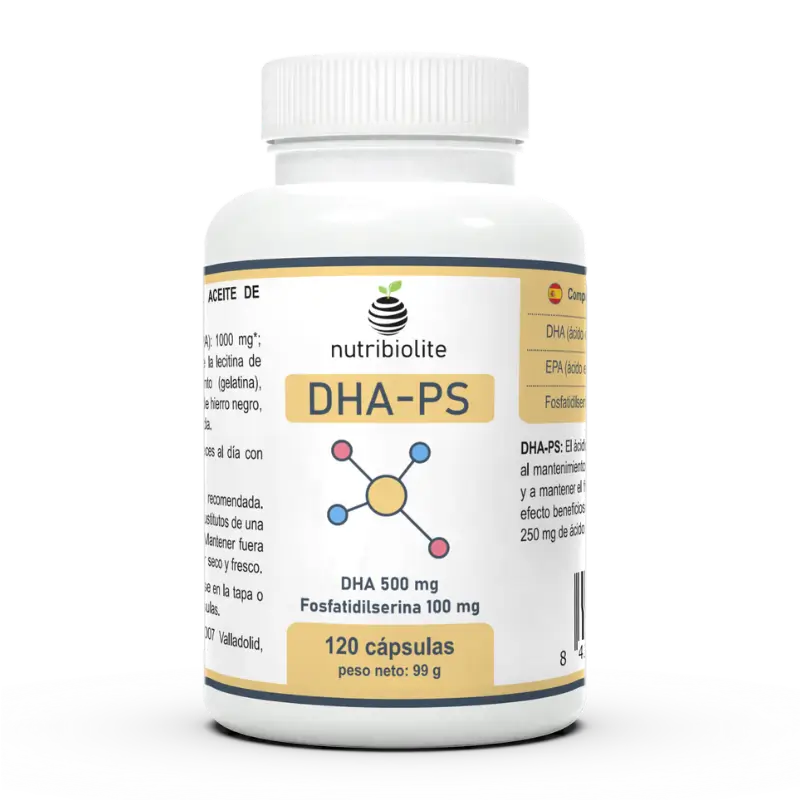
Omega 3 DHA supplement with phosphatidylserine, designed for adults who take care of their diet, physical activity and daily well-being.
A product of this type may make sense for adults who already do moderate exercise, take care of their diet and are looking for additional support at the level of cell membranes and inflammatory balance. The study in Nutrients reinforces the interest in omega-3s as part of a holistic approach that combines movement, good nutrition and, when desired, a well-formulated supplement.
Bottom line, active muscle, consistent habits and prudent nutritional support
The review published in Nutrients concludes that dietary supplements can support muscle function in non-athletic adults, especially when nutritional deficits are present and combined with exercise. The effect is often modest, but can translate into more confidence to move and better capacity for everyday activities.
The basis remains clear: move regularly, eat a variety of foods, prioritise protein and healthy fats, and respect rest. On that basis, omega-3s, including DHA, are emerging as an interesting ally for healthy muscle and nerve membranes. This content is for information only and does not replace the advice of a health professional.
Frequently asked questions
What kind of study is the one published in Nutrients on supplements and muscle?
It is a narrative review of previous studies in non-athletic adults. It looks at clinical trials and observational work on different supplements, including omega-3s, and their relationship with strength, muscle mass and recovery.
Do omega-3s alone improve muscle strength?
The study indicates that omega-3s, including DHA, are associated with small improvements in strength, especially when combined with resistance exercise and when there is a prior deficit. On their own, they are not a substitute for training and proper diet.
For whom might a DHA-rich supplement make the most sense?
It may be of interest to adults who already take care of their diet, do some physical activity and wish to support their muscular and general well-being through a better supply of omega-3. It should always be seen as a support within a healthy lifestyle.
What is the role of daily nutrition versus muscle supplements?
Food is the foundation, providing the protein, vitamins, minerals and healthy fats that muscle needs to maintain itself. Supplements are considered a complement when the diet does not fully cover the needs or when additional support is sought, never a substitute for habits.
What practical implications does the study have for my daily life?
It reinforces the importance of moving regularly, taking care of the quality of what you eat and, if you wish, considering omega-3 supplementation as part of an overall muscle health strategy. The changes are gradual, but they can make it easier for you to maintain your autonomy and comfort in moving around.