




A study in Frontiers in molecular biosciences published in 2025 reviews dozens of human and animal studies and concludes that the status of micronutrients, such as vitamins, minerals and omega-3 fatty acids, is directly related to brain function and cognitive health across the lifespan. The authors point out that both deficiency and excess can impair memory, attention and brain plasticity.
The practical message is clear: a brain that consistently receives the micronutrients it needs tends to age better and better withstand mental stress. This is especially relevant for adults who want to maintain mental clarity, concentration and intellectual performance on a daily basis.
The scientific review shows that micronutrient balance influences memory, attention and brain ageing.
The paper synthesises results from studies published between 2004 and 2025 on micronutrients and brain health. It analyses B vitamins, vitamin D, minerals such as iron and zinc, methylating compounds such as choline and folate, and omega-3 fatty acids, including docosahexaenoic acid or DHA.
The authors describe that deficiencies of vitamin B12, folate, iron, zinc and omega-3 are associated with poorer cognitive performance, increased risk of deterioration with age and alterations in mood. They also point out that adequate intake, by diet or supplementation, is associated with better memory, greater neuroplasticity and slower rate of decline in adults.
How micronutrients shape the brain, from genes to neural connections
The study explains that many micronutrients act as cofactors in key pathways in the brain. They are involved in energy production, in the synthesis of neurotransmitters such as serotonin, dopamine and acetylcholine, and in antioxidant systems that protect neurons from oxidative damage.
A central part of the article is devoted to methylating micronutrients, such as folate, vitamins B6 and B12, choline and methionine. These nutrients fuel the so-called one-carbon metabolism, which generates S adenosylmethionine, the molecule that donates methyl groups to regulate gene expression and chromatin structure. Simply put, they help turn on and off genes that direct brain development and maintenance.
The review also highlights the role of omega-3 fatty acids, particularly DHA. This fatty acid forms part of the membranes of neurons, promotes membrane fluidity and synapse formation, and modulates inflammatory processes that, when out of control, are associated with cognitive decline and dementia.
Lifestyle habits that support brain health based on micronutrient evidence
The authors insist that the first tool for caring for the brain is a varied and nutrient-dense diet. They propose dietary patterns such as the Mediterranean diet, rich in oily fish, extra virgin olive oil, nuts, pulses, fruit and vegetables, which provide omega-3, B vitamins, antioxidants and minerals that regulate neuronal function.
In addition to diet, the article points out that the brain is sensitive to other environmental factors. Sedentary lifestyles, chronic stress, insufficient sleep and obesity are associated with a poorer micronutrient profile and a higher risk of mental problems. In contrast, regular physical activity, sufficient rest and stress management help the brain make better use of available nutrients.
How omega-3 and phosphatidylserine supplementation may fit into this brain physiology
The review highlights that omega-3 fatty acids, and in particular DHA, are structural micronutrients in the brain. They are part of neuronal membranes and are involved in processes such as synaptogenesis, neurogenesis and regulation of inflammation. A sufficient intake of DHA is associated with improved cognitive function and slower progression of age-related decline.
In parallel, other scientific studies have looked at phosphatidylserine, a phospholipid abundant in the membrane of neurons. Phosphatidylserine is involved in cell signalling, neurotransmitter release and maintenance of membrane fluidity. Trials in adults have found that combining phosphatidylserine with DHA is associated with improved performance on memory and attention tasks, especially in people with high mental workloads.
Daily habits to support the action of micronutrients in the brain
From the evidence reviewed, it makes sense to prioritise a solid lifestyle base. In practice, this means ensuring several servings per week of oily fish, nuts, pulses and green leafy vegetables, along with an adequate intake of quality proteins that provide amino acid precursors of neurotransmitters.
It is also useful to take care of the gut-brain axis. The study recalls that the microbiota influences the absorption of vitamins and minerals and produces some B vitamins. A diet rich in fibre, fruit, vegetables, legumes and fermented foods promotes a diverse microbiota, which improves the availability of micronutrients needed by the brain.
How Nutribiolite’s DHA PS supplement aligns with the evidence on omega-3s and cognitive function
The revised study focuses on the role of omega-3s, and specifically DHA, as essential micronutrients for brain function and cognitive health in adults. It highlights that adequate levels of these fatty acids are associated with better mental performance and slower brain ageing.
A supplement based on DHA-rich fish oil combined with phosphatidylserine fits this physiological logic. DHA provides the structural component that the brain incorporates into its membranes, while phosphatidylserine contributes to the organisation of these membranes and communication between neurons. This synergy is aimed at supporting functions such as memory, concentration and mental alertness in everyday life.
This type of formulation is designed for adults who already take care of their diet, physical activity and rest, and who are looking for additional physiological support for their cognitive performance, especially in contexts of high intellectual demand or active ageing.
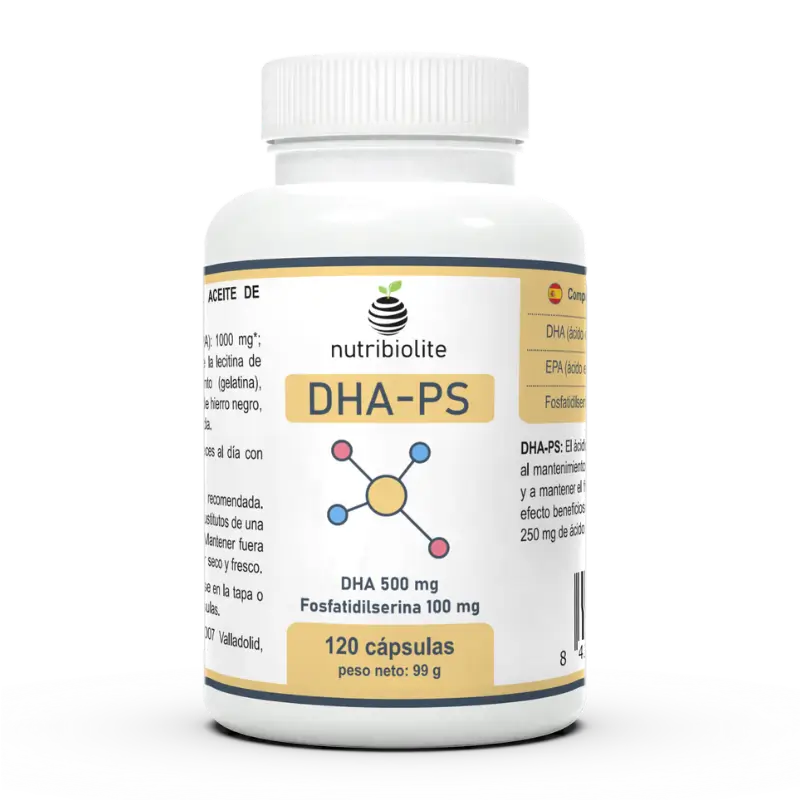
Omega-3 supplement rich in DHA combined with phosphatidylserine, aimed at supporting brain function in active adults.
Frequently asked questions
What does DHA contribute to brain health in adults?
Docosahexaenoic acid or DHA is an omega-3 that forms part of the membranes of neurons. It is associated with better communication between nerve cells, greater brain plasticity and slower cognitive decline over the years.
Why is there synergy between DHA and phosphatidylserine?
DHA provides flexibility and stability to neuronal membranes and phosphatidylserine organises that membrane and participates in signalling. Together, they provide a physical and functional environment that supports processes such as memory, sustained attention and speed of mental processing.
How does the micronutrient study relate to omega-3 and phosphatidylserine supplementation?
The review highlights that omega-3s, especially DHA, are key micronutrients for the brain and that adequate omega-3s are linked to improved cognitive function. A supplement combining DHA with phosphatidylserine builds on this same physiology to provide additional support for brain health.
Is diet enough to meet the brain’s DHA needs?
A diet rich in oily fish and seafood can provide significant amounts of DHA. However, many people consume little or no fish. In these cases, a supplement can be an additional tool in a strategy that also includes dietary changes.
For what type of person does a supplement with DHA and phosphatidylserine make the most sense?
It is of particular interest to adults with a high mental workload, people who want to take care of their cognitive performance at work or study, and those looking to support active brain ageing, all within a lifestyle that includes good nutrition, exercise and adequate rest.
This content is for information only and is not a substitute for the advice of a healthcare professional.