



The study in Cureus published in 2024 looked at a nutraceutical supplement in 30 women with perimenopause and severe symptoms. After 60 days of daily use, participants showed a nearly 93 percent reduction in overall symptom scores, with clear improvements in hot flushes, night sweats, mood and quality of life.
These data come from a single-centre observational study, so they do not prove cause and effect like a randomised clinical trial. Still, they offer an interesting snapshot of how a combination of specific plant extracts, soy isoflavones, vitamins and minerals can be associated with broad-based relief from the typical discomforts of the menopausal transition.
An observational study following 60 days of perimenopausal symptoms
The EMBRACE PERIMENOPAUSE study was conducted in India with 30 women aged between 40 and 48, all with irregular cycles and at least two symptoms of perimenopause, such as hot flushes, night sweats, sleep disturbances, mood swings or joint discomfort.
For two months they took a daily capsule of a supplement combining ashwagandha, chasteberry, soya isoflavones, black cohosh, magnesium, B vitamins and vitamin D. The researchers measured the evolution of symptoms with the Menopause Rating Scale, a validated scale that scores from mild to very severe discomfort.
The mean initial score was 39 points, consistent with moderate-severe symptoms. At 60 days it dropped to 2.74 points, indicating minimal symptoms. Hot flushes were reduced from an average of 22.6 episodes per day to 1.4, and more than 90 percent of the women reported disappearance or clear attenuation of anxiety, night sweats, irritability and mood disturbances.
This is a study with no placebo group and a small number of participants, so the results should be interpreted with caution. Nevertheless, they show that a well-designed combination of phytoingredients can significantly support the physiological changes of perimenopause.
Phytoestrogens, neuroendocrine axis and regulation of vasomotor symptoms
The perimenopause is characterised by wide swings in oestrogen and follicle-stimulating hormone, which throws off the temperature control centre in the hypothalamus. This small change results in hot flushes, night sweats and the sensation of sudden heat waves.
The study used soy and black cohosh isoflavones, two sources of compounds that interact with oestrogen receptors, particularly in tissues such as bone, blood vessels and the brain. They are not hormones, but mild modulators that can help buffer the peaks and valleys of oestrogenic signalling and stabilise the vasomotor response.
Chasteberry or Vitex agnus castus acts on the hypothalamic-pituitary axis, particularly on prolactin and other neurotransmitters related to cycle and mood regulation. Previous studies have shown that chasteberry is associated with less irritability, breast tension and emotional changes in women in hormonal transition.
When combined with phytoestrogens, neuroendocrine axis modulators and key micronutrients such as magnesium, B vitamins and vitamin D, it provides the body with a support network on several levels, from thermal regulation to emotional balance and pain perception.
Daily habits that support the menopausal transition and reinforce the effectiveness of supplementation
The results of the study fit with a central idea, perimenopause is best managed when the body is supported on several fronts. Diet, movement and rest influence how hot flushes, mood and daily energy are expressed.
A useful guideline is to prioritise foods rich in natural phytoestrogens, such as traditional soy, tofu, tempeh and legumes, along with vegetables, fruits and quality fats. This pattern provides fibre, bioactive plant compounds and micronutrients that support the pathways modulated by the study supplement.
Regular physical activity, especially strength training combined with walking or moderate aerobic activity, helps maintain muscle mass, bone health and insulin sensitivity. These factors are associated with less fatigue, better mood stability and better tolerance to vasomotor changes.
Finally, taking care of rest and relaxation routines, with stable schedules, reduced screen time at night and breathing or mindfulness techniques, reduces the stress load on the hypothalamic-pituitary-adrenal axis. A less overloaded axis responds better to nutraceutical support and lifestyle changes.
How a menopause supplement can align with the evidence on multisymptom support
The study in Cureus evaluated a supplement with several ingredients that are also commonly used in formulations intended to alleviate perimenopausal discomfort. The combination of soy phytoestrogens, black cohosh and chasteberry, along with vitamins and minerals, showed a clear association with fewer hot flushes, improved mood and greater overall satisfaction for participants.
This approach is based on respecting physiology, not forcing the body, but offering it compounds it already recognises, such as plant-derived isoflavones and vitamins involved in hormonal and nervous balance. The women who took part in the study continued to take one capsule a day, integrated into their routine, for 60 days, which reinforces the importance of consistency.
In practice, such a supplement may make sense for adult women in perimenopause who are already taking care of their diet and physical activity, but who want additional support to manage hot flushes, mood swings and feelings of exhaustion. It is always best integrated when accompanied by a stable routine, regular meals and an environment that reduces stress overload.
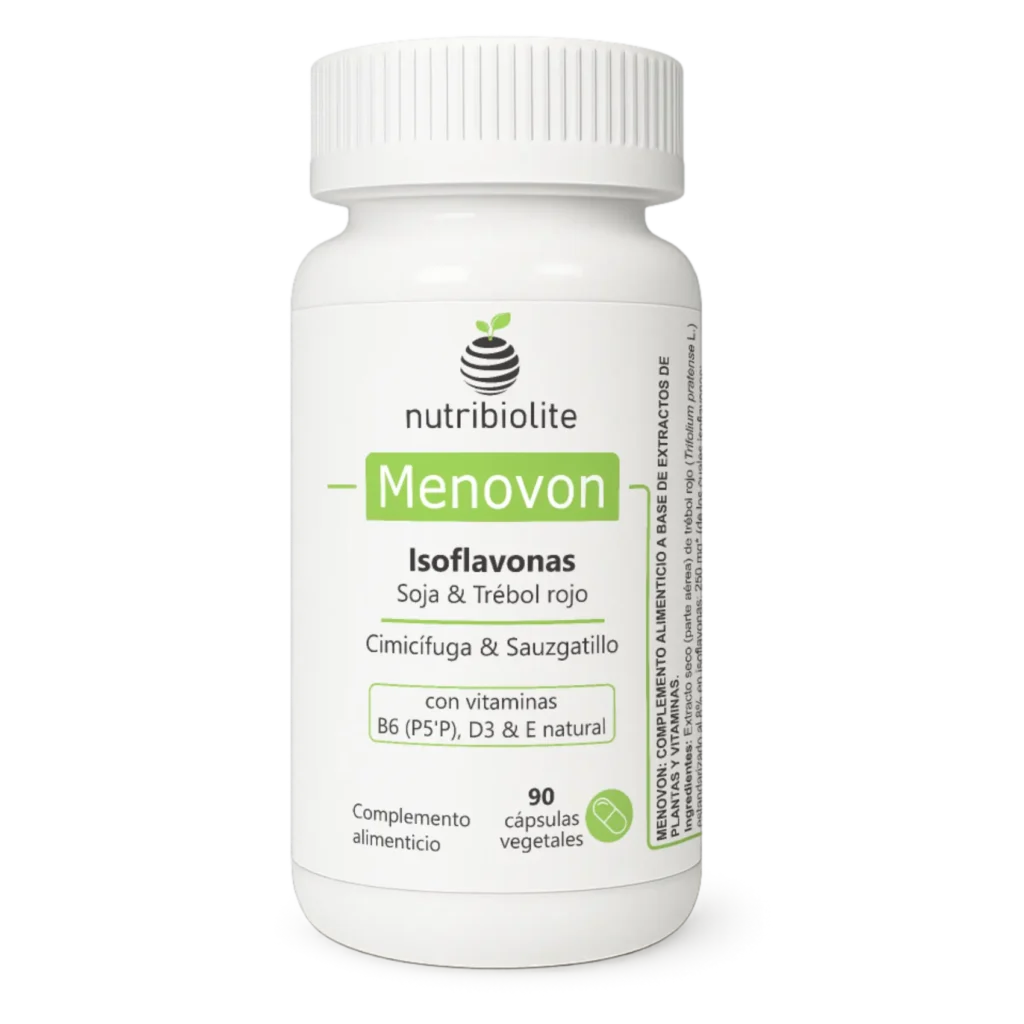
Formula designed to accompany the transition to menopause with phytoingredients and vitamins that support physiological processes already present in the body.
Final summary of the study and the role of daily habits in the perimenopause
The EMBRACE PERIMENOPAUSE study suggests that a combination of plant extracts, isoflavones and micronutrients can be associated with a large reduction in perimenopausal symptoms in just two months. The improvement was especially noticeable in hot flushes, night sweats, anxiety and irritability.
Like all observational studies, it needs confirmation in larger, control group trials. Still, it reinforces the importance of approaching this stage from several angles – nutrition, movement, rest and, where appropriate, physiologically aligned nutraceutical support.
The transition to menopause need not be experienced solely as an accumulation of discomfort. A combination of consistent habits and evidence-based tools can help regain a sense of control and well-being in everyday life.
This content is informative and is not a substitute for the advice of a healthcare professional.
Frequently asked questions
What did the study on nutraceutical support in perimenopause show?
The observational study in 30 perimenopausal women found a nearly 93 percent reduction in overall symptom score after 60 days of daily use of a supplement containing plant extracts, soy isoflavones, vitamins and minerals.
How long it took to see changes in hot flushes and night sweats
Participants began to notice decreases in the intensity of symptoms already in the first few weeks. By 30 days the reduction in hot flushes was over 70 percent and by 60 days most reported almost complete resolution.
Is this type of supplement just for hot flushes or also for mood?
The formulation studied was associated with improvement in vasomotor symptoms, such as hot flushes and sweating, and also in psychological aspects, such as anxiety, irritability and low mood. The combination of phytoestrogens and modulators of the neuroendocrine axis seems relevant for both areas.
What role do lifestyle habits play alongside the use of a menopausal supplement?
The supplement acts as a support, but habits remain the basis. A plant-rich diet, regular exercise and stable rest routines improve the body’s response and may enhance the perceived effect of nutraceutical support.
Do the study results apply to all women in menopause?
The study was conducted in a small group of women aged 40-48 years in perimenopause, with moderate to severe symptoms. The results are indicative, but cannot be generalised to all women and are not a substitute for individual assessment.