



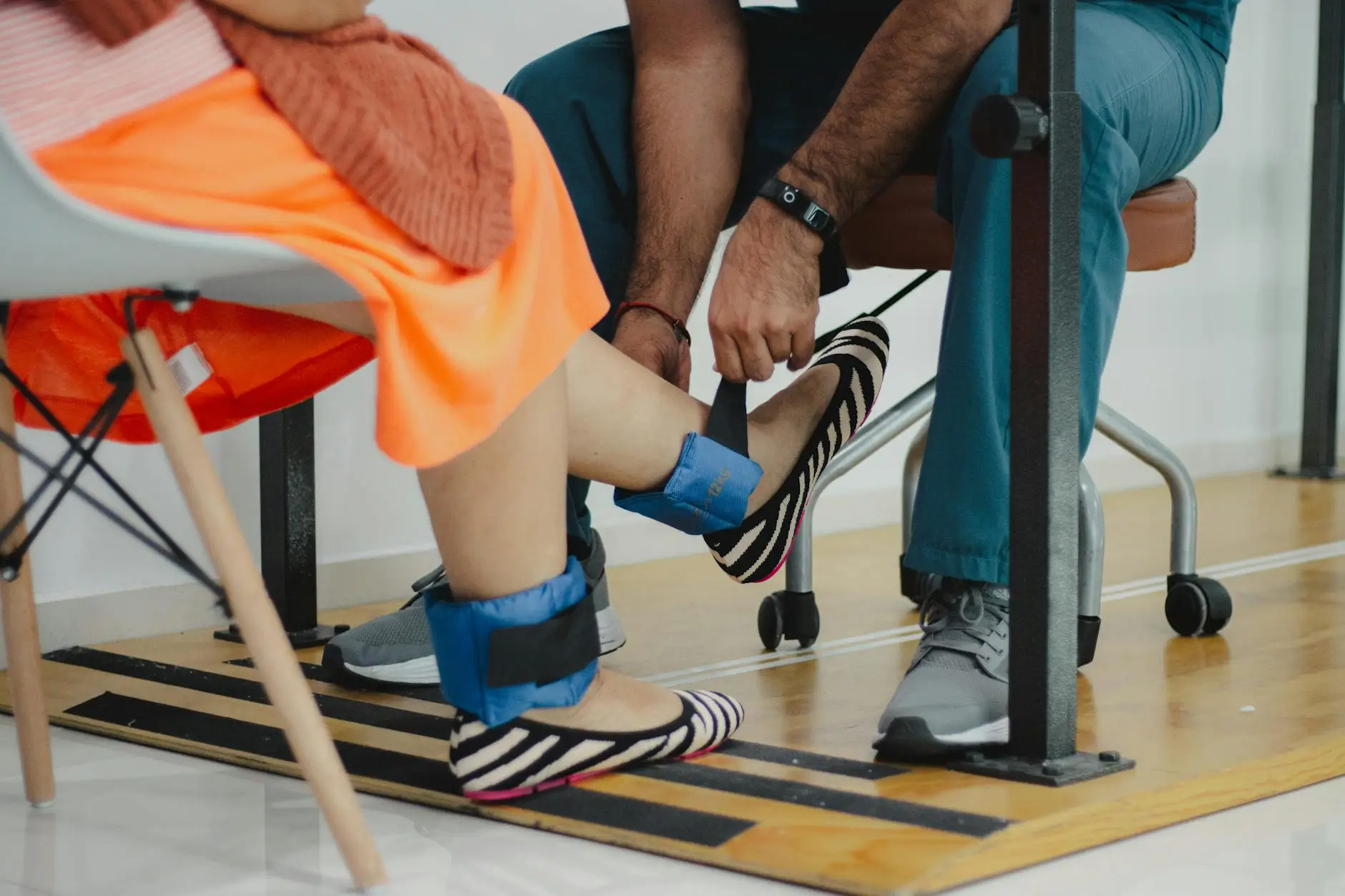

A randomised, placebo-controlled clinical trial, published in 2024 in the BMC musculoskeletal disorders study, looked at 32 people aged 35 to 65 years with mild or moderate meniscopathy. After eight weeks of supplementation with collagen types I, II and III, along with other joint components, participants showed less knee pain, improved quality of life and improvements in physical function tests compared to the placebo group.
For those who live with knee discomfort and limitations in everyday gestures such as climbing stairs or walking for several minutes at a time, these results are relevant. It is not only about reducing pain, but also about regaining confidence in movement and reducing the fear of knee failure in full activity.
What the clinical trial in people with meniscopathy showed
The study included men and women with grade 1 and 2 meniscus tears, who followed their usual rehabilitation for the eight weeks. One group took a supplement with collagen type I, II and III, hyaluronic acid, glucosamine, chondroitin and vitamin C, and the other group took a placebo product.
The researchers assessed pain with scales such as the visual analogue scale and knee-specific questionnaires, as well as tests of leg strength, balance and walking ability. The group taking the collagen supplement showed clear reductions in pain, better scores on quality-of-life questionnaires and less fear of movement, while the placebo group showed little change.
Improvements in functional tests were more modest, which is to be expected in only eight weeks and with a small number of participants. Still, the near-significant increase in leg strength and improved scores on function scales suggest a real physiological effect on joint tissue and movement perception.
How collagen fits into meniscus and joint physiology
The meniscus is largely made up of type I collagen, along with type II collagen and a matrix rich in water and proteoglycans. This structure acts as a shock absorber that distributes loads between the femur and tibia and protects the articular cartilage.
When hydrolysed collagen is ingested, it is fragmented into small peptides that can be absorbed into the tissues. Studies have shown that these peptides can stimulate chondrocytes, the cartilage cells, to produce more extracellular matrix and collagen components. The work published in 2024 aligns with this idea, as reduced pain and improved functional questionnaires are interpreted as better joint tissue response and less local inflammation.
Hyaluronic acid and compounds such as glucosamine and chondroitin, all related to synovial fluid quality and cartilage integrity, were also included in the supplement studied. The end result was a combination of reduced pain, improved ability to perform daily activities and increased confidence when moving the affected knee.
Daily habits that support the meniscus and knee joints
The study was conducted on an established rehabilitation base, so the results are best understood when combined with good habits. Maintaining a healthy body weight reduces the load on the meniscus with every step and every step.
Leg strength exercise, focusing on the quadriceps, hamstrings and glutes, improves knee stability and better distributes forces. Low-impact exercises, such as flat walking, stationary cycling or swimming, help to nourish the cartilage by moving the synovial fluid without subjecting the joint to sudden impacts.
It is also helpful to take care of the overall diet, with sufficient quality protein, fruits and vegetables rich in vitamin C and other antioxidants. These nutrients are involved in collagen synthesis and in controlling oxidative stress, which can damage joint structures over time.
How a collagen supplement can align with this evidence
The 2024 clinical trial reinforces a key idea that when hydrolysed collagen is provided along with other joint components, improvements in pain and quality of life are seen in people with mild to moderate meniscopathy. The supplement used in the study combined collagen of various types with hyaluronic acid and micronutrients involved in cartilage integrity.
This line of research is of particular interest to active adults who are already taking care of their weight, exercising and following a rehabilitation plan, but are looking for additional physiological support for their joints. A well-formulated collagen supplement is then understood as a way of encapsulating the joint tissue’s own natural pathways, not as a miracle shortcut.
The choice of ingredient forms with good bioavailability and the absence of unnecessary additives becomes decisive. The better a nutrient is absorbed and the cleaner the formula, the more likely it is that collagen peptides and cofactors will get to where they are needed and exert their structural and supportive function.
How Nutribiolite Collagen Complex fits with the evidence on meniscus and joints
Nutribiolite’s food supplement based on hydrolysed collagen, hyaluronic acid, bamboo extract, vitamins and minerals is designed to support the structure of connective tissue, including the cartilage and meniscus matrix. At its core is hydrolysed type I collagen, a form that is well recognised by the body and absorbed in the form of small peptides, ready for use by chondrocytes and fibroblasts.
The presence of hyaluronic acid in the formula adds direct support to the more hydrated phase of the joint. This polysaccharide retains water and contributes to the viscosity of the synovial fluid, which facilitates gliding between joint surfaces and improves cushioning. In the clinical study, hyaluronic acid was also used together with collagen, and improvements in pain and function were observed, supporting this combined approach.
Bamboo extract provides organic silicon, a key mineral in collagen synthesis and the organisation of connective tissue fibres. Silicon is involved in the cross-linking of the matrix, resulting in a stronger and more flexible structure. This synergy between hydrolysed collagen, hyaluronic acid and bamboo silicon strengthens the support of both the fibrous part of the meniscus and the more hydrated phase of the cartilage.
Vitamins and minerals in the Nutribiolite complex, including vitamin C and minerals such as magnesium, complete the physiological pathway. Vitamin C is an essential cofactor for enzymes that stabilise the collagen triple helix, while magnesium is involved in numerous enzymatic reactions related to connective tissue metabolism and muscle function. This combination promotes effective integration of ingested collagen into the joint matrix.
A differentiating aspect of the Nutribiolite collagen complex is the care taken in the form of the ingredients and the cleanliness of the formula. The use of high quality hydrolysed collagen, bioavailable hyaluronic acid and minerals in well-absorbable forms, together with the absence of unnecessary additives, increases the likelihood that each component will exert its physiological effect efficiently. This translates into stronger support for those seeking consistent, evidence-based joint care.
It is intended for adults who already pay attention to their diet, maintain a regular movement routine and want structural support for joints, skin and connective tissue in general, especially at more mechanically demanding times or over a certain age.
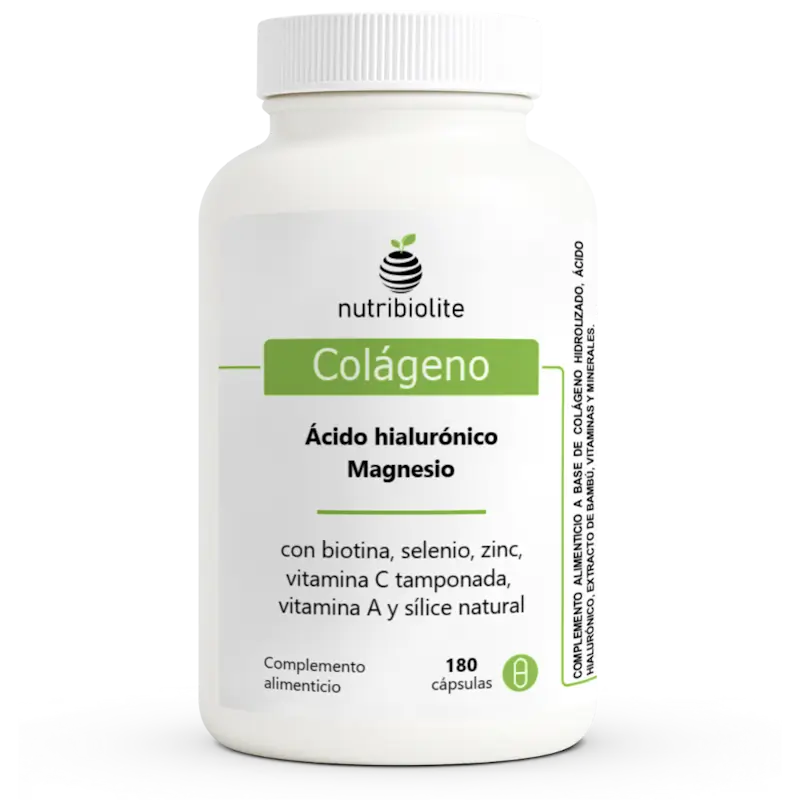
Hydrolysed collagen supplement with hyaluronic acid, bamboo extract, vitamins and minerals to support connective tissue in a physiological way.
Final summary, collagen, meniscus and daily routine
The clinical trial in mild to moderate meniscopathy showed that eight weeks of supplementation with collagen of various types and hyaluronic acid was associated with less pain, improved quality of life and a trend towards greater leg strength. These results add to previous evidence on the role of hydrolysed collagen in joint health.
In daily practice, the basis remains proper movement, weight control and a diet rich in nutrients that support collagen synthesis. On that basis, a well-designed collagen supplement, such as Nutribiolite’s collagen complex with hyaluronic acid, bamboo, vitamins and minerals, can be an additional tool for those who wish to care for their joints in the long term.
This content is for informational purposes only and is not a substitute for the advice of a healthcare professional.
Frequently asked questions
For whom can a collagen supplement with hyaluronic acid be of most interest?
It is of particular interest to active adults who experience repeated strain on their knees, hips or back, and wish to support their connective tissue. It may also suit people who begin to notice morning stiffness or mild discomfort when climbing stairs.
What hyaluronic acid provides when combined with hydrolysed collagen
Hyaluronic acid contributes to the hydration and viscosity of synovial fluid, which facilitates joint gliding. Combining it with hydrolysed collagen supports both the fibrous phase of cartilage and its more hydrated component.
The role of silicon-rich bamboo extract in connective tissue
The silicon in bamboo extract is involved in the synthesis and organisation of collagen and elastin fibres. This promotes a stronger and more flexible connective tissue matrix, relevant for joints, skin, hair and nails.
How the meniscopathy study relates to the use of hydrolysed collagen
The study showed that supplementation with collagen of various types and hyaluronic acid improved pain and quality of life in people with meniscopathy. These data support the use of hydrolysed collagen as a physiological tool for joint care within an exercise and rehabilitation routine.
Can a collagen supplement replace rehabilitation or strength training?
No, collagen is a nutritional support that complements, but does not replace, physiotherapy work and strength exercise. It is the combination of adequate movement and structural support that offers the best prospects for long-term joint function.