


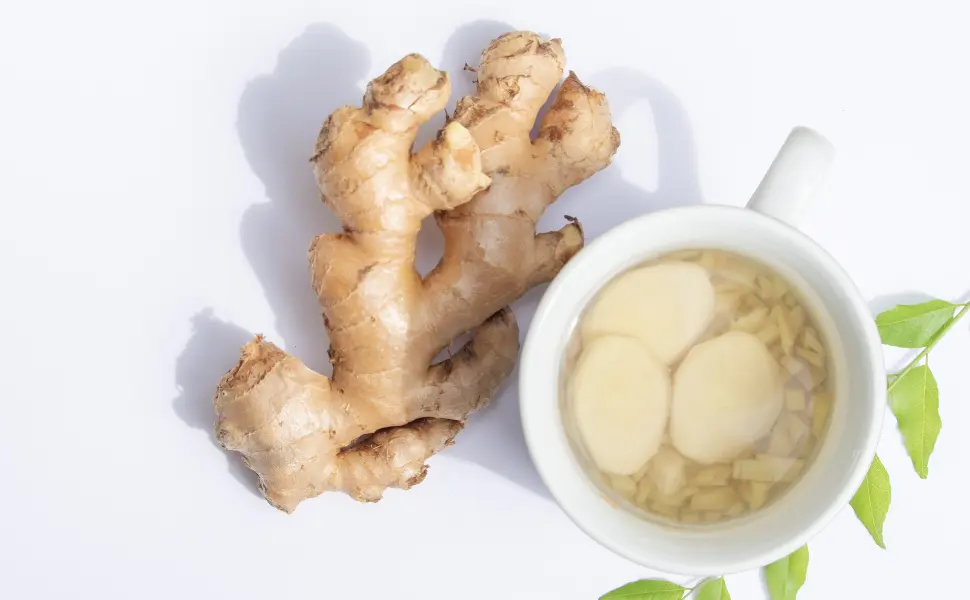

A study in Food & function published in 2015 evaluated a steamed ginger extract for 12 weeks in 80 adults with mild to moderate functional dyspepsia. It was a randomised, double-blind, placebo-controlled clinical trial. People taking the extract had a clear reduction in digestive symptoms such as abdominal pain, indigestion, reflux and constipation, along with an improved perception of their overall health.
These results focused on people already diagnosed with functional dyspepsia, a condition of frequent digestive discomfort without visible structural damage. For this group, the improvement was significant in terms of quality of life, affecting both symptoms and the ability to perform daily activities with less discomfort.
What the ginger extract clinical trial showed in functional dyspepsia
The trial involved 80 adults with mild or moderate functional dyspepsia, divided into two groups. One received 480 mg steamed ginger extract daily for 12 weeks and the other a placebo, without knowing who took what.
The researchers used a gastrointestinal symptom scale to assess abdominal pain, indigestion, reflux and constipation. The ginger group improved significantly in all these areas compared to the placebo, with a clear overall reduction in discomfort. In addition, quality of life questionnaires showed improvements in general health, pain, physical functioning and social life.
In safety tests, including blood and urine tests, no clinically relevant changes were detected. This suggests that the extract used was well tolerated during the 12 weeks of the study in this particular population.
How ginger can help a stomach with heavy digestion
Ginger, Zingiber officinale, has traditionally been used to relieve nausea and heavy digestion. On a physiological level, several studies indicate that it may promote gastric emptying, i.e. help the stomach to empty at a more efficient rate.
Some compounds in ginger have also been found to modulate signals related to the sensitivity of the digestive tract. This may translate into less uncomfortable fullness, less abdominal pressure and less tendency to reflux in people with functional discomfort.
In the trial discussed, the improvement in pain, indigestion, reflux and constipation fits with this effect on gastric motility and perception of internal sensations. It is not about blocking symptoms, but about supporting physiological processes such as the coordinated movement of the stomach and intestine.
Daily habits that support gastric function and reduce functional dyspepsia
Functional dyspepsia is aggravated by very large, high-fat or hastily eaten meals. Breaking down food into smaller portions, chewing calmly and avoiding going to bed right after dinner usually reduces the pressure on the stomach.
Limiting excess alcohol, caffeine and sugary drinks also helps to reduce reflux and gastric irritation. Maintaining a healthy weight and engaging in moderate physical activity promotes bowel movement and can reduce the feeling of heaviness.
Stress management is another important pillar, because the gut-brain axis influences how we perceive digestive discomfort. Breathing techniques, short breaks during the day and a regular rest routine help the digestive system to function more steadily.
How a digestive supplement can align with the evidence on ginger
The results of the steamed ginger extract trial reinforce the idea that certain compounds in ginger may support gastric function in people with frequent digestive discomfort. A digestive supplement that includes ginger root extract seeks precisely to concentrate these compounds in a convenient form.
When a product combines ginger with other digestive plants or enzymes, it seeks to exploit physiological synergies. For example, ginger may facilitate gastric emptying, while other carminative plants help reduce gas and bloating. Digestive enzymes, meanwhile, help to better break down food.
Formulations of this type are intended to support a balanced diet and consistent digestive habits, not as a substitute for them. Their role is to accompany the natural processes of the digestive system, especially in adults who already take care of their diet and are looking for additional support for their daily gastric well-being.
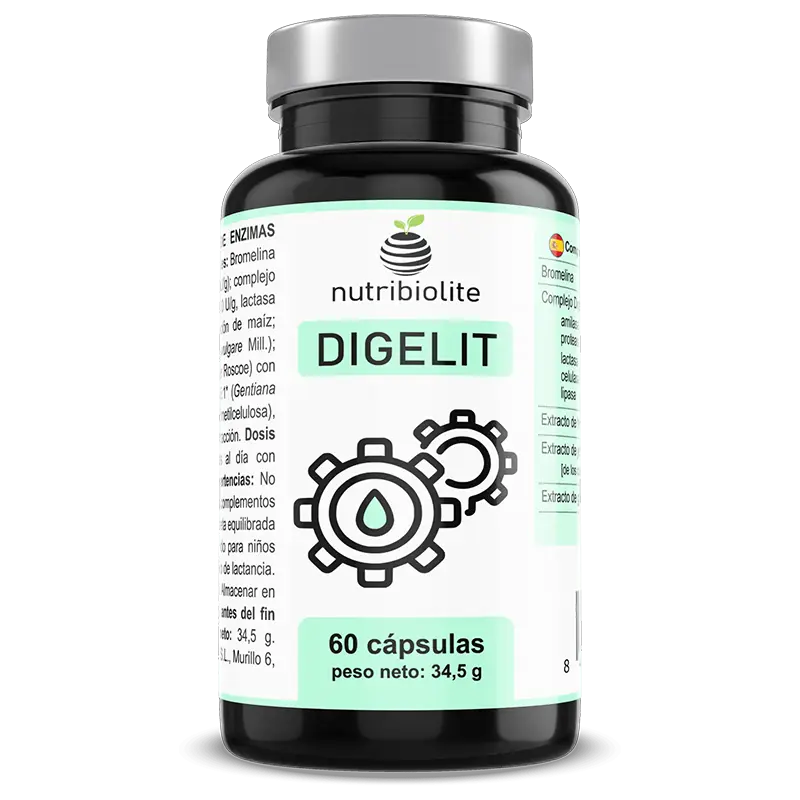
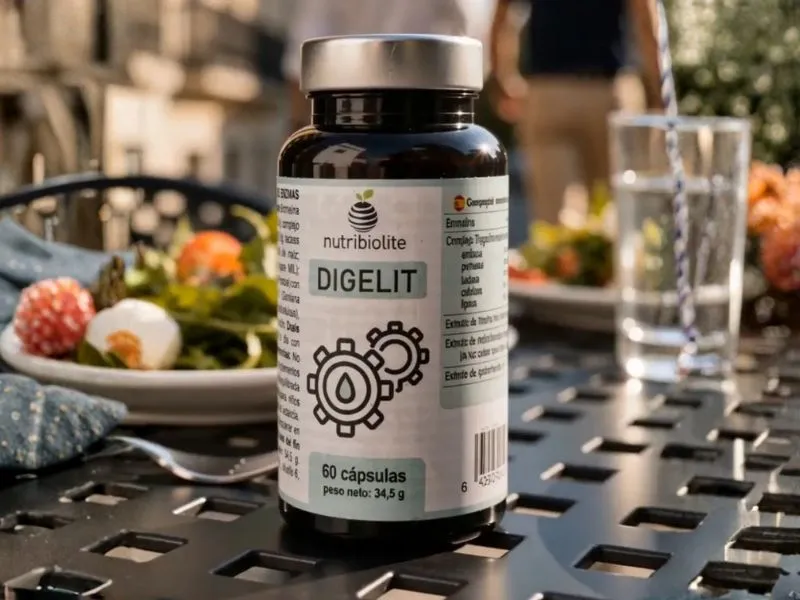
Digestive complement designed for adults who are careful with their diet and want additional physiological support for gastric comfort.
What this data means for your daily digestive well-being
The steamed ginger extract trial shows that, in people with mild to moderate functional dyspepsia, it is possible to significantly reduce several digestive symptoms without altering relevant safety parameters within 12 weeks.
In everyday life, this translates into a combination of strategies. Adjust the way we eat, take care of stress management and, when it makes sense, consider a supplement that concentrates extracts such as ginger to support digestive physiology.
The goal is to improve digestive comfort and quality of life, always within a global approach that prioritises healthy habits and knowledge of how your own digestive system responds.
This content is informative and does not replace the advice of a healthcare professional.
Frequently asked questions
What is functional dyspepsia and how does it relate to the study of ginger?
Functional dyspepsia is a set of digestive complaints such as pain, fullness or burning without visible lesions in the stomach. The study looked at whether a steamed ginger extract could reduce these symptoms in adults with mild to moderate functional dyspepsia.
Exactly what improved with ginger extract in the clinical trial
People who took ginger extract showed a significant decrease in abdominal pain, indigestion, reflux and constipation versus placebo. They also improved several aspects of their quality of life, including general health perception and physical functioning.
How long the ginger extract was taken for in the study
The trial lasted 12 weeks. Throughout this period, participants took 480 mg of steamed ginger extract or a placebo daily, and changes in digestive symptoms and quality of life were compared between the two groups.
The ginger in the study can be compared to fresh ginger in the kitchen
The trial used a standardised extract of steamed ginger, which concentrates active compounds in a controlled dose. Fresh ginger shares the same plant source, although the amount of active compounds per serving can vary greatly depending on the preparation and quantity consumed.
How a ginger digestive supplement fits into a healthy routine
A ginger supplement is best integrated when there is already a foundation of a balanced diet, moderate portions and good stress management. In this context, it can provide additional physiological support for digestive comfort, especially for people who experience frequent heavy digestion.