


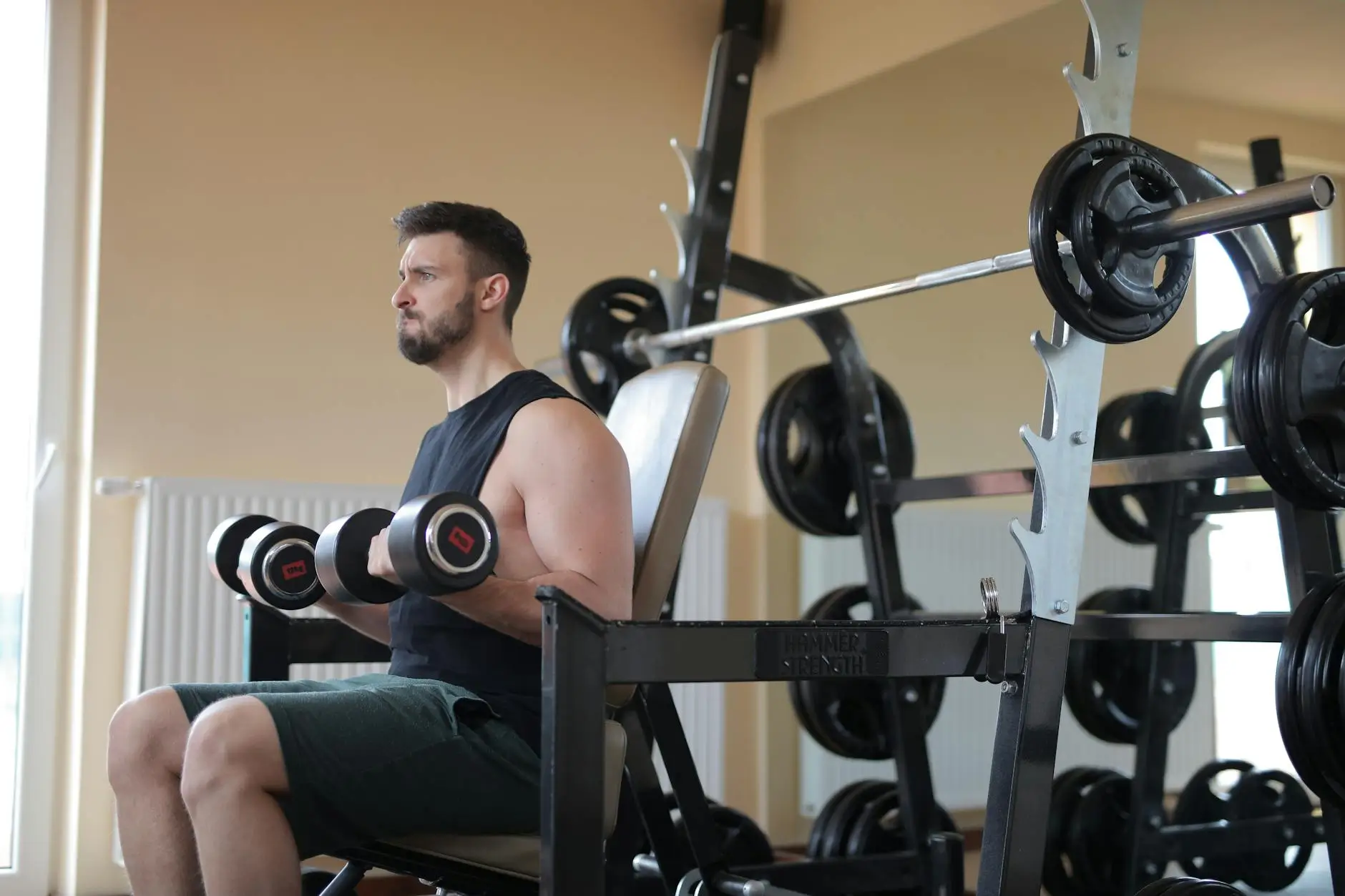

A study in the American journal of lifestyle medicine in 2024 reviewed how plant-based nutrition and certain supplements, including omega-3 fatty acids, are related to performance and recovery in active people. The authors analysed clinical trials and systematic reviews in athletes and physically active adults, and concluded that a well-planned plant-based diet, combined with specific supplements, can support strength, muscle mass and good recovery without disadvantage compared to an omnivorous diet.
For those who train regularly, the message is clear. A plant-centred diet can meet performance needs if sufficient total protein is achieved and a few key nutrients are taken care of. Supplements with the best support for recovery include omega-3 fatty acids, which are associated with less post-exercise inflammation and better overall muscle and joint function.
What the plant based diet and supplementation study looked at in active people
The work is a review of the available evidence, not a single trial, and focuses on adults who train with some regularity, from recreational athletes to athletes. The authors compared plant-based diets with omnivorous diets as long as they had similar protein and calories, and assessed strength, muscle mass, aerobic capacity and markers of recovery.
The results show that, when total protein is between 1.2 and 2 grams per kilogram of body weight per day and spread over 3 or 4 meals, plant sources are not inferior to animal sources for building and maintaining muscle. In addition, the review highlights that some supplements offer additional benefits. For performance, the strongest evidence falls on caffeine, creatine, protein and essential amino acids. For recovery, the focus is on polyphenols, vitamin E and omega-3 fatty acids.
Why omega-3 fatty acids matter in an active lifestyle
Long-chain omega-3s, such as docosahexaenoic acid or DHA and eicosapentaenoic acid or EPA, are structural components of cell membranes, especially in the brain and retina. They are also involved in the production of molecules that modulate inflammation and balance the immune system.
In active people, intense exercise causes muscle micro-injuries and some level of transient inflammation. The review notes that omega-3 supplementation is associated with better recovery, less delayed muscle soreness and a more controlled inflammatory response after exercise. At the brain level, DHA is notable for its role in the fluidity of neuronal membranes, which supports efficient communication between neurons and clear cognitive function in everyday life.
Lifestyle habits that enhance the effect of plant-based nutrition and omega-3s
The study underlines that the basis remains the daily diet. For those following a plant-based diet, it is key to ensure sufficient total protein, to combine legumes, whole grains and nuts, and to pay attention to nutrients such as iron, vitamin B12 and omega-3s. Including plant sources of omega-3s such as flax or chia seeds can help, although their conversion to DHA and EPA in the body is limited.
Alongside diet, the authors recommend consistent training planning, with load days and recovery days, sufficient sleep and stress management. These factors make it easier for muscles to repair, the nervous system to recover and the brain to maintain clarity and focus. In this context, supplementation is understood as a one-off support to fill gaps or reinforce specific physiological pathways, for example modulation of inflammation or direct supply of long-chain omega-3s.
How Nutribiolite DHA PS fits into the physiology of omega-3s and the active brain
Although the review focuses on the plant-based pattern and not on a specific product, it gives a prominent role to omega-3 fatty acids for recovery and general health in active people. This is where the interest in a specific brain and vision supplement that combines DHA from fish oil with phosphatidylserine, a key phospholipid in neuronal membranes, fits in.
DHA is the dominant omega-3 in the brain and retina, where it contributes to membrane fluidity and communication between neurons. Phosphatidylserine forms part of the outer layer of these membranes and is involved in signalling, memory and attention. Combining both nutrients in a single food supplement aligns with the evidence linking omega-3s with physical recovery and functional health, and adds a more specific focus on nerve cell structure.
For adults who train regularly, work long hours with high mental demand, or wish to care for their visual and cognitive function in the context of a balanced diet, a fish oil-based product rich in DHA and phosphatidylserine may provide additional physiological support. The formulation focused on these two bioactive molecules, without unnecessary additives, aims to provide a direct supply of components that the body uses naturally in neuronal membranes and in the regulation of inflammatory processes.
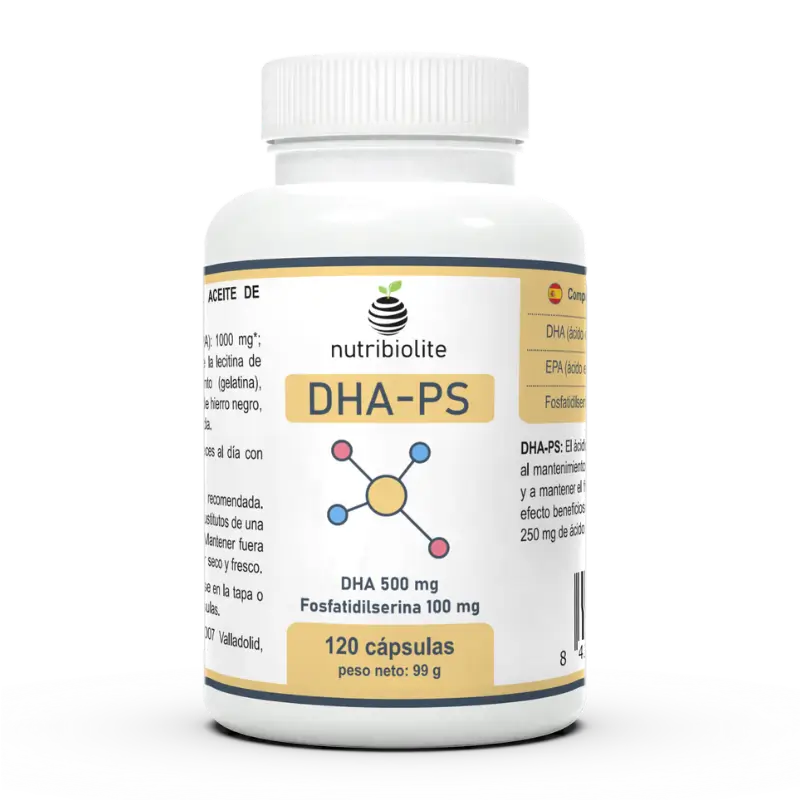
A supplement with DHA from fish oil and phosphatidylserine, designed for active adults who wish to support brain and visual function.
Final summary of the study and role of daily habits
The review in the American Journal of Lifestyle Medicine concludes that a well-designed plant-based diet can support athletic performance and recovery when protein and energy needs are met. Long-chain omega-3s stand out as one of the best-supported supplements to support post-exercise recovery and functional health in active individuals.
Integrating a base of varied plant foods, taking care of rest, planning for training and, when it makes sense, adding a supplement rich in DHA and phosphatidylserine for the brain and eyes, makes for a coherent strategy to care for long-term physical performance and mental clarity.
This content is informational and is not a substitute for the advice of a healthcare professional.
Frequently asked questions
What does a well-planned plant-based diet provide for active people?
According to the review, a plant-based diet that covers total protein can support strength, muscle mass and performance as well as an omnivorous diet. The key is to achieve between 1.2 and 2 grams of protein per kilogram of body weight per day.
What role do omega-3 fatty acids play in post-exercise recovery?
Studies reviewed associate omega-3 supplementation with less delayed muscle soreness and a more controlled inflammatory response after exercise. This may translate into a more efficient recovery feeling between training sessions.
Why DHA is important for the brain and vision
DHA is the predominant omega-3 in the brain and retina. It contributes to the fluidity of cell membranes and efficient communication between neurons, which is related to mental clarity and good visual processing in everyday life.
What is phosphatidylserine and why is it important in a supplement?
Phosphatidylserine is a phospholipid found on the outer surface of the membranes of neurons. It is involved in signalling processes and is related to memory and attention, so its contribution to a brain-oriented supplement is particularly meaningful.
For whom might a product with DHA and phosphatidylserine make sense?
It may suit adults who train regularly, work with a high mental workload or wish to take care of their brain and visual function as part of a healthy lifestyle. It is intended to support existing physiological pathways, not to replace habits or medical treatments.