





A study in the International journal of molecular sciences in 2024 reviewed the evidence for nutraceuticals with an anti-atherosclerotic effect, i.e. on plaque formation in the arteries. The authors analysed clinical trials in adults taking omega-3, garlic, berberine or other compounds and described modest benefits on lipids and vascular function, along with a possible increased risk of bleeding in specific situations.
This work matters in everyday life because it summarises what is really known about popular heart and circulation supplements. It is also a reminder that formulation quality and dosage make the difference between a useful physiological support and a product that is ineffective or even problematic when combined with certain drugs.
For adults concerned about their cardiovascular health, the central message is one of balance. The study shows that long-chain omega-3s, especially DHA and EPA from marine oils, help lower triglycerides and modulate platelet function, resulting in blood that is somewhat less prone to clot formation.
However, he also explains that these effects depend on the amount, purity and form of the supplement. In people already taking anticoagulants or anti-aggregants, or in very high doses of purified EPA, the risk of bleeding may increase slightly. The focus is therefore on choosing the right formulation and integrating it into a healthy lifestyle, not on using it as a substitute for medical treatment.
Study describes how omega-3s act on lipids, inflammation and platelets
The review details that long-chain omega-3 fatty acids, especially EPA and DHA, reduce triglycerides by 20 to 50 per cent depending on the dose and the individual’s profile. They do this by reducing the production of triglyceride-rich particles in the liver and encouraging the body to use them as a source of energy.
In addition, these omega-3s change the composition of platelet membranes and endothelial cells, which line the inside of blood vessels. By replacing part of the arachidonic acid, which promotes procoagulant substances, with EPA and DHA, more anti-inflammatory and less thrombogenic mediators are generated. The result is slightly less platelet aggregation and a more stable vascular environment.
The authors note that in most trials with moderate doses of EPA and DHA, no clear increase in major bleeding was observed. However, with high doses of purified EPA there was a small but measurable increase in total bleeding and atrial fibrillation. The conclusion is cautious, omega-3s are useful as a support, but clinical context, dosage and formulation must be considered.
From artery biology to everyday life, what do these mechanisms imply?
When triglycerides are lowered and vascular inflammation is moderated, the inside of the arteries become a less aggressive environment. This makes atheroma plaques more stable and less likely to rupture, reducing the likelihood of clots forming and blocking blood flow.
In practice, this translates into discrete but relevant support for the health of the heart, brain and the microcirculation of sensitive organs such as the retina. The study stresses that these effects are in addition to those of a diet rich in oily fish, fruit, vegetables and fibre, and regular physical activity. They do not replace them.
Lifestyle habits that reinforce the effect of omega-3s on the heart and brain
The first pillar remains diet. Eating small oily fish two or three times a week, such as sardines, mackerel or anchovies, provides EPA and DHA in a context of natural antioxidant nutrients. Supplementing with nuts, extra virgin olive oil and legumes helps to maintain a favourable fat profile.
The second pillar is movement. Brisk walking at least 30 minutes a day, five days a week, improves insulin sensitivity and endothelial function. This enhances the action of omega-3s on triglycerides and platelets. Getting enough sleep, reducing smoking and moderating alcohol complete an environment in which well-formulated supplements can best unfold their physiological potential.
How a supplement with omega-3 and phosphatidylserine can fit into this context
In this context, a supplement based on fish oil rich in DHA and phosphatidylserine aims to support natural processes that connect heart, vessels and brain. DHA, docosahexaenoic acid, is a key structural omega-3 in neuronal membranes and the retina, where it provides fluidity and long-term stability.
Phosphatidylserine is a phospholipid that forms part of the inner side of cell membranes and is involved in signalling between neurons and in communication with the immune system. The study reviewed explains how exposure of phosphatidylserine on the surface of platelets promotes coagulation. Maintaining a proper balance in platelet location and membrane quality is essential for blood to clot when it should, but without excess.
A product combining high purity DHA with phosphatidylserine seeks to support this membrane architecture in both the nervous system and microcirculation. In adults who already take care of their diet and physical activity, it may represent an additional support for everyday cognitive function and visual health, consistent with the mechanisms described in the review on omega-3 and vascular risk.
Omega-3 formulations, why quality and purity make a difference
The scientific paper underlines that not all omega-3 supplements are equivalent. The ratio of EPA to DHA, the origin of the oil and the presence of contaminants or oxidation directly influence the bioactivity and safety of the product.
Concentrated and purified forms of DHA and EPA, with strict heavy metal and peroxidation controls, offer more predictable absorption and more efficient integration into cell membranes. In addition, clean formulations, free of unnecessary additives and technological burdens that hinder fat digestion, promote superior bioavailability over low-quality generic products.
In the case of a supplement combining DHA with phosphatidylserine, this basic quality allows both ingredients to act synergistically. DHA optimises the fluidity of the lipid bilayer and phosphatidylserine provides the specific building block for neuronal signalling and internal membrane organisation. This synergy is supported by the same physiology described in the study, where the balance of lipids and phospholipids in vascular and platelet cells determines the balance between anti-atherosclerotic protection and bleeding risk.
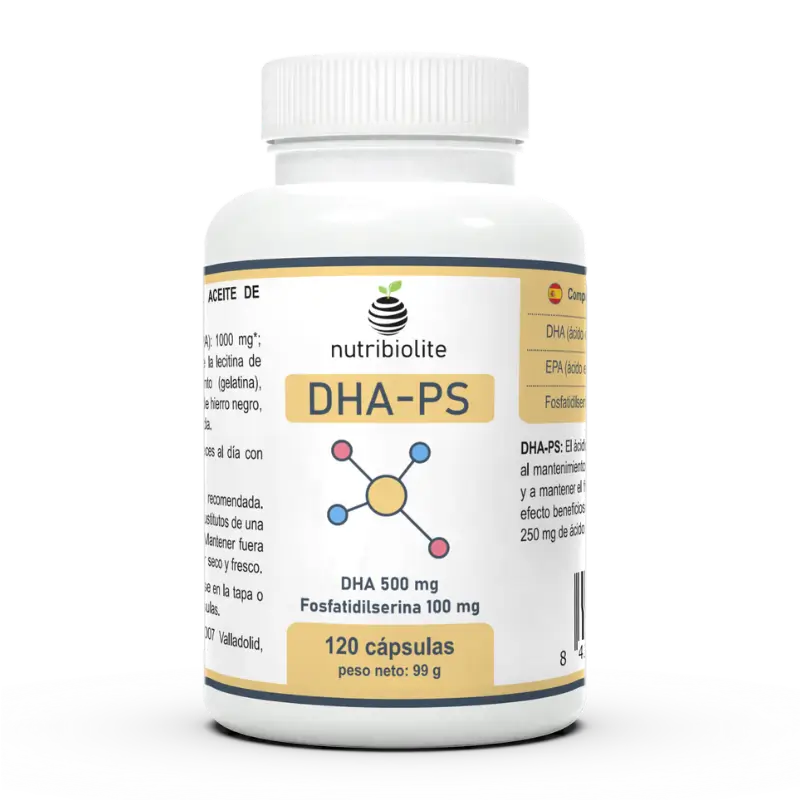
A supplement with fish oil rich in DHA and phosphatidylserine, designed for adults who wish to physiologically support their cardiovascular, cerebral and visual health.
Balancing cardiovascular benefits and everyday safety
The review concludes that marine omega-3s, used judiciously, may provide additional benefit in the context of cardiovascular prevention, particularly in people with elevated triglycerides or at high vascular risk. The effect is modest but consistent when combined with a good diet and regular exercise.
At the same time, remember that very high doses and combinations with anticoagulants require individualised assessment. For most adults looking to take care of their heart and brain, the key is proper dosing, a high-quality formulation and consistent integration into their health routine.
This content is informational and is not a substitute for the advice of a healthcare professional.
Frequently asked questions
What is the difference between dietary and supplemental omega-3s?
Oily omega-3s from oily fish provide EPA and DHA in a natural nutrient environment. A good supplement concentrates these fatty acids in precise doses and high purity, making it easier to achieve consistent amounts when the diet does not always include enough fish.
How do omega-3s relate to brain and eye health?
DHA is a structural component of the membranes of neurons and the retina. Adequate intake supports the fluidity of these membranes and communication between cells, which supports everyday cognitive functions and long-term visual health.
Why does the study mention a possible increased risk of bleeding?
By reducing platelet aggregation, omega-3s make blood somewhat less clotting. In most people this is beneficial. However, in very high doses or in combination with anticoagulants, a slight increase in bleeding may occur, so the individual context should be assessed.
What habits enhance the effect of supplementation with DHA and phosphatidylserine?
A diet rich in oily fish, fruit, vegetables and olive oil, along with regular exercise and good rest, creates the ideal environment for DHA and phosphatidylserine to integrate into cell membranes and support cardiovascular, brain and eye health.
For whom does a supplement rich in DHA and phosphatidylserine make the most sense?
It is especially targeted at adults who are already taking care of their lifestyle and want additional support for daily cognitive function, eye health and cardiovascular balance, in line with the evidence linking quality omega-3s to a more favourable vascular profile.