




You open your mobile phone to “check a message” and, twenty minutes later, you’ve jumped between short videos, headlines, chats and three loose ideas that you can’t even remember because your brain hasn’t had time to fix them.
By mid-morning you feel foggy, even though you’ve slept, and the most irritating thing is that you work, yes, but you make little progress because you read the same paragraph again as if it were new.
In networks they call it brain rot, and it sounds exaggerated; however, the sensation is real and has biological logic, because your attention is not broken by a lack of intelligence, but by an excess of stimuli competing for the same mental energy.
Your attention breaks into small pieces
Every time you switch tasks, the brain pays an invisible “toll”: the prefrontal cortex reorders priorities, filters out distractions and holds information in working memory, and that repeated effort drains clarity and patience.
In addition, scrolling and notifications push mini quick rewards that keep the dopamine system looking for the next thing, so the urgent becomes addictive and the important feels burdensome, yet your day still demands fine-tuned decisions and continuous concentration.
At the same time, if you go into rush mode, the body plays alert, sympathetic tone rises and cortisol stays higher than is good for you; in fact, with that chemical background it’s normal for the mind to “skip” before settling down, and instead you’re left with a weird mental fatigue, as if the tank is half full but the engine is misfiring.
How to get back into focus without forcing yourself
The first step is to reduce friction: 25-45 minute blocks, a single critical tab and a clear closure, because your brain works best when it knows what to ignore, not when it’s trying to keep an eye on everything at once.
So when the goal is to perform with a clearer head, it makes sense to support the “chemistry” part of focus with an aid designed for memory, concentration, performance and mental fatigue, and that’s where Onit fits in as a practical choice for your peak cognitive hours.
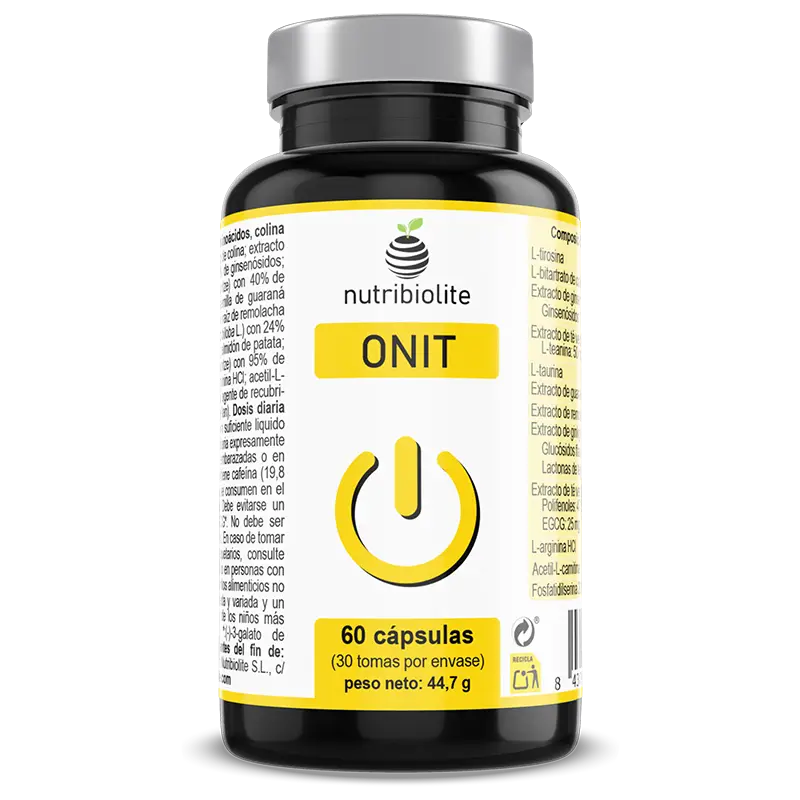
More stable mental clarity to perform with less feeling of saturation.
Micro-benefit 1: you notice the “tidier” start-up to prioritise, especially in mornings with meetings and continuous context changes.
Micro-benefit 2: holding a focus block becomes more bearable, so you reduce the temptation to jump tabs every few minutes.
Micro-benefit 3: as the day closes, your head tends to feel less burdened, which helps you avoid carrying your mental work into the evening.
The idea is not to turn you into a machine, but to recapture a simple and valuable feeling: to sit down, start and finish with more continuity, even when the environment is designed to interrupt you.
Typical questions, clear answers
If you’re thinking about Onit, these are the questions that come up most often, as well as the answers that really help you decide calmly.
Will this make me as nervous as coffee?
Onit is geared towards mental focus and performance, and many people integrate it without that caffeine rollercoaster; however, if you’re sensitive, start on a slow day and watch your response.
When does it make the most sense to take it?
Use it when you need real concentration, for example before a deep block of work or study, and always follow the labelling to do so consistently.
Is it noticeable from the first day or over time?
Some people notice changes in clarity relatively early and some people notice it more with routine, because the context dictates; therefore, accompany it with blocks without interruptions in order to evaluate it well.
Can I combine it with coffee or tea?
In general it is best combined if you keep caffeine at moderate levels, as too much stimulation adds to mental noise, but a sensible dose usually fits well into a productive morning.
I’m on medication, what do I do?
If you are taking medication, are pregnant or breastfeeding, or have a medical condition, consult a healthcare professional before using any supplement, as safety comes first.
Before you begin, a note of caution
This content is for informational purposes only and is not a substitute for medical advice, and dietary supplements should not be used as a substitute for a balanced diet and healthy lifestyle.
Please adhere to the recommended daily dosage and keep the product out of the reach of children, and if you notice an unexpected reaction, discontinue use and seek professional guidance.