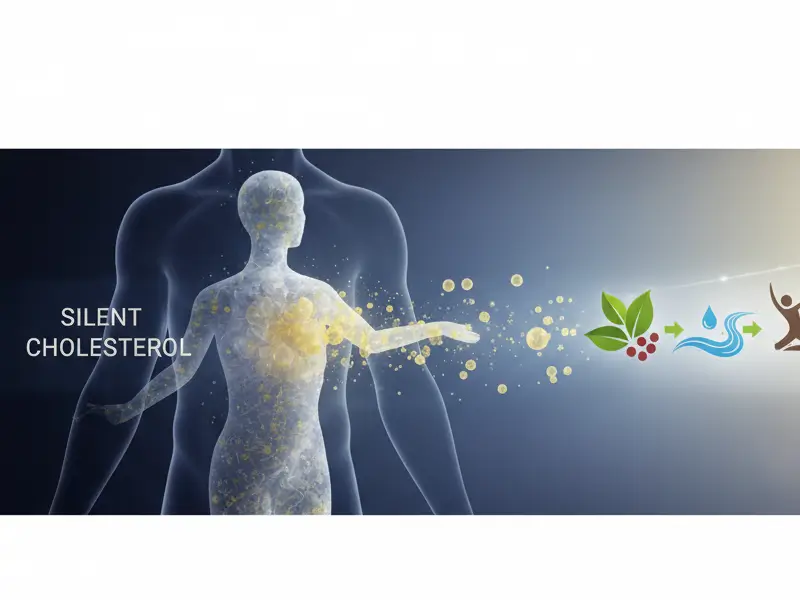





A study in Scientific reports 2025 looked at 90 women with type 2 diabetes in a randomised clinical trial. It compared eight weeks of combined strength and aerobic training with or without oral astaxanthin, versus placebo and control. Women who trained and took astaxanthin showed better antioxidant defence, less inflammation and a more favourable blood fat profile.
For these women, the changes translated into a less oxidative internal environment, lower markers of inflammation and better balanced cholesterol. The effect was modest, but consistent, and relied on redox-sensitive cellular pathways, i.e. highly dependent on the balance between oxidants and antioxidants. For anyone living with cardiometabolic risk factors, these kinds of results point to a key insight – the body responds when offered regular movement and nutrients with antioxidant capacity.
Who did the astaxanthin and training trial in women with type 2 diabetes?
The work involved 90 women aged 30 to 60 with type 2 diabetes who were not taking insulin. They were divided into six groups, including exercise alone, oral astaxanthin alone, a combination of both, placebo and control. For eight weeks, three times a week, part of the participants performed a moderate-intensity functional exercise circuit, while another group received 8 mg daily of astaxanthin from microalgae.
The researchers measured markers of oxidative stress, inflammation, lipid profile, fasting glucose, insulin resistance and glycosylated haemoglobin, as well as regulatory molecules such as certain redox-sensitive microRNAs and human mitochondrial peptide. Exercise clearly improved glucose, insulin resistance and glycosylated haemoglobin. Astaxanthin boosted antioxidant defences and was associated with an improved lipid profile, especially when combined with training.
How redox balance and inflammation regulate metabolism and blood vessels
Type 2 diabetes is associated with an excess of free radicals and chronic low-grade inflammation. This redox imbalance damages lipids, proteins and DNA, alters insulin signalling and accelerates the deterioration of blood vessels. The study focused on redox-sensitive microRNAs, small regulatory molecules that act as fine switches in these pathways.
With exercise and astaxanthin, an increase in miR-126-3p and miR-146a, linked to improved endothelial health and control of inflammation, and a decrease in miR-122, linked to hepatic metabolic dysfunction, were observed. They also increased levels of humanin, a mitochondrial peptide that protects against oxidative stress and promotes more efficient insulin signalling. Taken together, these changes suggest a more stable cellular environment, with less oxidative stress and more controlled inflammation, favourable conditions for glucose and fat metabolism.
Daily habits that support a healthier cardiometabolic profile
The results reinforce a familiar message, the central pillar is lifestyle. Combined training, which mixes aerobic and strength work, offers complementary benefits, improves insulin sensitivity, increases active muscle mass and helps modulate inflammation. Three sessions a week, even with simple bodyweight exercises, can already make a measurable difference.
At the dietary level, a diet rich in vegetables, legumes, whole fruits, nuts and unsaturated fats supports redox balance. Limiting added sugars, refined flours and trans fats reduces inflammatory load. Adequate night’s rest and stress management, e.g. diaphragmatic breathing or short movement breaks during the day, complete a physiological environment that supports a more stable metabolism and better vascular health.
How Nutribiolite’s PROTECARDIO fits into this cardiometabolic health approach
The study focuses on one specific ingredient, astaxanthin, integrated into a structured exercise context. The physiological lesson is clear, when oxidative stress is reduced and inflammation is modulated, the lipid profile and metabolic environment tends to improve. PROTECARDIO is in the same vein of supporting cardiometabolic health, as part of a strategy that prioritises balanced nutrition and regular physical activity.
In a well-planned routine, exercise acts on insulin sensitivity and body composition, while diet provides antioxidants and better quality fats. A supplement may make sense as an additional support for adults who already take care of these aspects and wish to physiologically boost the balance of their metabolism and blood vessels. Oral astaxanthin, as used in the trial, illustrates the potential of certain compounds to modulate redox-sensitive pathways and contribute to a more favourable lipid profile within this framework of healthy habits.
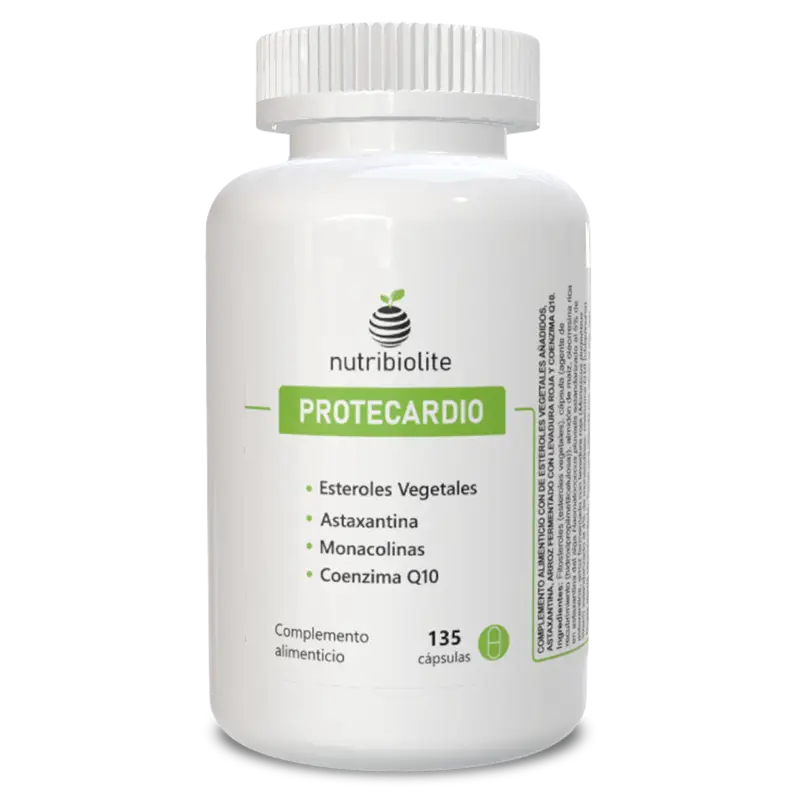
Nutribiolite’s PROTECARDIO aims to physiologically support the balance of fat metabolism within a healthy lifestyle.
Final summary, science, habits and physiological support
The trial in women with type 2 diabetes shows that combining structured exercise with oral astaxanthin can improve markers of oxidative stress, inflammation and lipid profile. The centrepiece remains daily habits, regular movement, a plant-rich diet and sufficient rest. Nutritional supplements are best understood as discrete allies that accompany these physiological pathways, not shortcuts.
This content is informative and does not replace the advice of a health professional.
Frequently asked questions
What does it mean for a microRNA to be redox-sensitive?
A redox-sensitive microRNA is a small regulatory molecule whose activity changes according to the balance between oxidants and antioxidants. When antioxidant status improves, these microRNAs can adjust genes related to inflammation, metabolism and vascular health.
What role did astaxanthin play in the Scientific reports study?
Oral astaxanthin was associated with improved antioxidant defence and reduced inflammation in women with type 2 diabetes. Its effect was clearest when combined with strength and aerobic training, suggesting a synergy between movement and antioxidant support.
Study can be applied to people without diabetes
The data are from women with type 2 diabetes, so the conclusions relate to this group. In adults without diabetes, the prudent message is that regular exercise and a diet rich in antioxidants are the cornerstones for taking care of metabolism and blood vessels.
What habits help reduce oxidative stress in daily life?
Engaging in moderate physical activity most days, prioritising vegetables, fruits, legumes and nuts, and limiting ultra-processed foods and tobacco reduce the oxidative load. Getting enough sleep and managing stress also contribute to maintaining a more favourable redox balance.
How does a supplement like PROTECARDIO fit into this context?
PROTECARDIO is conceived as an additional nutritional support within a routine that already includes exercise and a balanced diet. Its purpose is to support physiological processes involved in fat metabolism and cardiovascular health, in line with the evidence linking antioxidants and a more stable lipid profile.