





A study in Nutrients reviewed dozens of papers in older adults in 2025 and concluded that diet measurably influences memory, attention and mood. The review, based on observational studies and clinical trials, points out that particular dietary and nutrient patterns are associated with more stable brain ageing.
For people approaching middle age, these findings are a reminder that what you eat each day matters for how well you continue to remember, make clear decisions and keep your spirits up. The central message is simple – nutrition is not a substitute for other medical care, but it can become a practical pillar for sustaining cognitive function over the years.
Review in older adults shows diet associated with more stable memory and thinking
The publication in Nutrients is a narrative review, i.e. a comprehensive analysis of the most recent studies on diet, cognition and mental health in adults. The authors compiled work conducted between 2018 and 2025 in middle-aged and older people, many of them with metabolic risk or mild cognitive impairment.
They looked at interventions with single nutrients, such as B vitamins or omega-3s, and whole food patterns, such as the MIND or Mediterranean diet. Overall, the results point to small to moderate but consistent benefits, especially in episodic memory, which is the ability to recall recent events and experiences.
The effects are not spectacular, but they are relevant in terms of daily life. Maintaining better memory and a more stable overall performance can translate into more autonomy to manage tasks, remember appointments or continue learning, which is especially important in people with cardiovascular or metabolic risk factors.
How B vitamins and other nutrients influence the ageing brain
One of the most studied pathways in this review is the metabolism of homocysteine, an amino acid that, when it accumulates in the blood, is associated with increased risk of cognitive decline. B vitamins, especially folate, vitamin B6 and vitamin B12, are involved in reactions that transform homocysteine into safer compounds.
When intake of these vitamins is adequate, homocysteine tends to remain in healthy ranges, which is associated with less oxidative stress and better neuronal function. Several clinical trials show that combinations of B vitamins, especially when accompanied by omega-3 fatty acids, are associated with more stable episodic memory in older adults.
The review also highlights the role of antioxidants, found in vitamins, polyphenols and carotenoids, which help reduce free radical damage in the brain. Diets rich in fruits, vegetables, olive oil and nuts are linked to less accumulation of abnormal proteins in brain tissue and slower cognitive decline over the years.
Lifestyle habits that support memory and emotional balance over time
The authors of the paper insist that no single nutrient is sufficient on its own. It is the overall pattern of living that makes the difference. A diet rich in vegetables, legumes, whole grains, nuts and fish, similar to the Mediterranean or MIND diet, is consistently associated with better cognitive performance and lower risk of depression in older adults.
Other pillars are regular physical activity, sufficient sleep, stress management and control of factors such as hypertension, diabetes or obesity. The combination of these measures seems particularly useful in people with mild cognitive impairment or high vascular risk, where small cumulative improvements can help preserve abilities for longer.
In practice, this translates into taking care of daily meals, prioritising fresh foods over ultra-processed foods rich in sugars and saturated fats, maintaining a healthy weight, and setting aside time for movement and socialising. Supplementation, when used, makes sense as a support for these habits, not as a substitute.
Neutral product block on MAG-FUSION in brain health and energy balance
In the context of this review, which highlights the role of B vitamins and other nutrients in memory and mood, targeted food supplements may be an option for some adults. Nutribiolite’s MAG-FUSION is presented as an example of a formulation that integrates magnesium and vitamins, including B vitamins, with the aim of supporting physiological processes related to energy metabolism, muscle function and the nervous system.
The study in Nutrients highlights that combinations of B vitamins, such as folate, B6 and B12, administered orally, have been associated with better preservation of episodic memory in older adults, especially when there are metabolic risk factors or an onset of cognitive impairment. This same family of vitamins is also involved in key pathways for the balance of the nervous system and the synthesis of neurotransmitters involved in mood and mental clarity.
In a formulation such as MAG-FUSION, B vitamins are integrated with other nutrients that contribute to the normal functioning of the nervous system and energy metabolism. From a physiological point of view, this combination makes sense for adults who experience a high mental workload, frequent fatigue or a desire to take care of their daily cognitive performance within a healthy lifestyle.
The combined presence of several B vitamins supports a broader coverage of metabolic pathways related to homocysteine and cellular energy production. On a day-to-day basis, this can translate into a stronger nutritional basis for supporting functions such as concentration, resistance to mental effort and a subjective sense of vitality, always as a complement to a balanced diet.
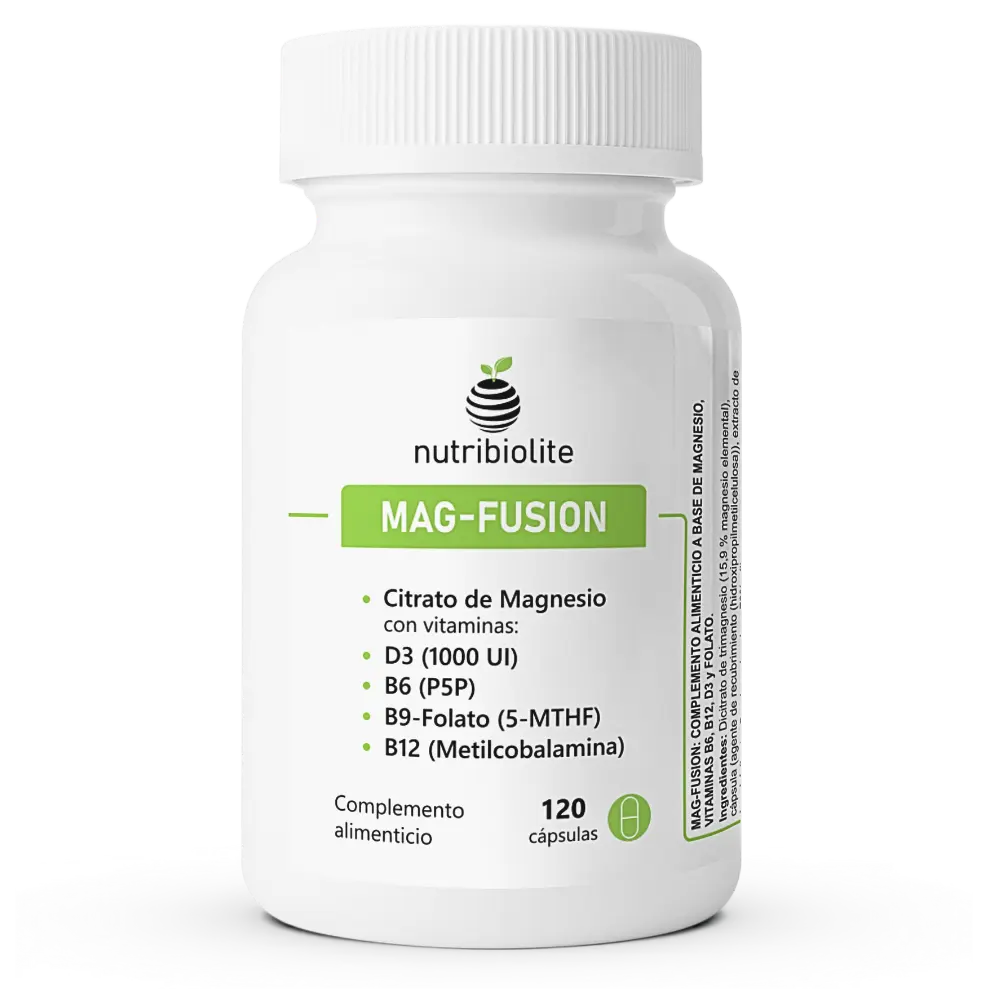
Supplement with magnesium and vitamins, including B complex, for adults who want to support their energy and mental clarity.
This type of nutritional support is particularly interesting for people who already take care of their diet, are physically active and are looking for additional support for their cognitive and energetic well-being. It is always best integrated into an overall strategy that includes a varied diet, adequate rest and control of cardiovascular risk factors.
Final summary, nutrition as an ally of the ageing mind
The review in Nutrients reinforces a key idea, the brain ages better when it receives a quality diet, rich in B vitamins, antioxidants and healthy fats, and when it is accompanied by consistent lifestyle habits. The observed benefits in memory and overall performance are modest, but accumulate over time.
For an adult, this translates into taking care of the daily plate, moving more, sleeping better and, when it makes sense, considering nutritional supports that fit with that physiology, such as the combinations of B vitamins that have been studied in relation to cognitive function. This content is informational and is not a substitute for the advice of a healthcare professional.
Frequently asked questions
What did the review on B vitamins and memory in older adults show?
The review suggests that combinations of B vitamins, such as folate, B6 and B12, are associated with better preservation of episodic memory in older adults, particularly in people with metabolic risk or mild cognitive impairment.
Does the study mean that taking B vitamins prevents cognitive decline?
No such claim can be made. The authors describe associations and modest improvements in memory tests, within controlled nutritional interventions. Prevention of cognitive decline depends on many factors, not just supplements.
What role do lifestyle habits play in addition to supplementation?
The paper highlights that diet, exercise, sleep and control of factors such as hypertension or obesity work together. Supplementation, when used, is meant as a support to these pillars, not as a substitute.
For whom can a supplement with B vitamins and magnesium make sense?
It may be of interest to adults who experience frequent fatigue, high mental workload or wish to take care of their cognitive performance within a healthy lifestyle. It should always be integrated into a varied and balanced diet.
How does MAG-FUSION relate to what the study describes?
The study highlights the interest of orally administered combinations of B vitamins in memory preservation and nervous system support. MAG-FUSION integrates B vitamins together with magnesium and other nutrients, with a physiological focus on energy, muscle function and nerve balance, in line with these metabolic pathways.