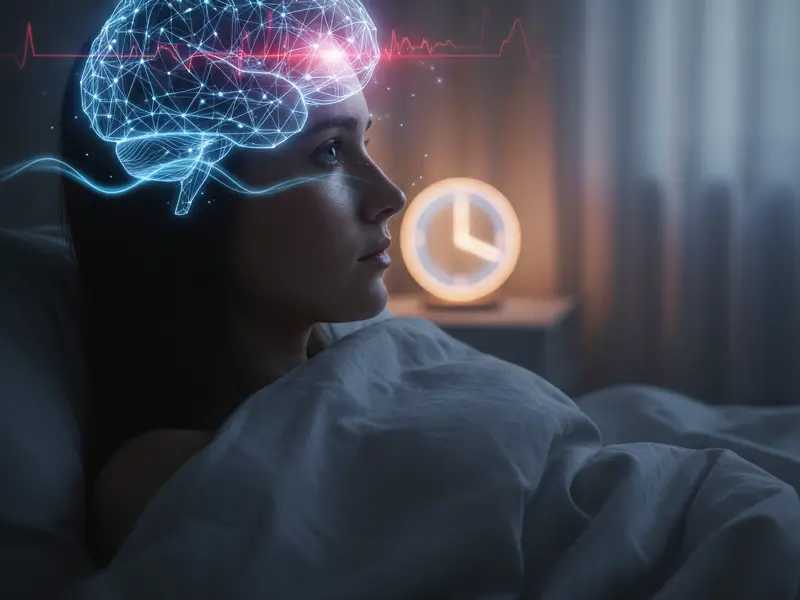





A study in Annals of medicine in 2025 reviews hundreds of papers on insomnia and concludes that the problem, in many cases, stems from the genes that set the internal clock. It’s not just about nerves or stress, but about how the so-called circadian genes that coordinate sleep, hormones, metabolism and daily energy work.
For people with chronic insomnia, this approach opens a different door. The article explains that when the molecular clock is thrown out of kilter, neurotransmitters such as melatonin, serotonin or GABA are disrupted, leading to restless nights and persistent tiredness. Understanding this origin helps to better orientate habits and any nutritional support that one wishes to incorporate.
Study connects insomnia, circadian genes and global health
The review focuses on adults with insomnia, a problem that affects three to four in ten people worldwide. The authors analyse genetic, cellular and clinical studies to understand how internal clock genes influence the ease of falling and staying asleep.
The work describes changes in genes such as CLOCK, BMAL1, PER and CRY, which act as cogs in a 24-hour clock. When they are altered by genetic variants, stress, night light or shift work, the coordination between brain, hormones, metabolism and inflammation breaks down. The result is a more fragile and fragmented sleep pattern.
How the circadian clock works and why it affects sleep so much
The circadian clock is the system that organises almost everything the body does in cycles of about 24 hours. Its core is in an area of the brain called the suprachiasmatic nucleus, which receives light from the eyes and adjusts the internal time each day.
This clock uses genes that switch on and off rhythmically. When they are well coordinated, they mark when melatonin should rise, when cortisol should fall, and how neurons and mitochondria should respond. If this rhythm is disrupted, neurotransmitters are misaligned, low-grade inflammation increases and cellular energy is altered, facilitating insomnia.
The review highlights that melatonin is not just a sleep hormone. It also acts as a messenger of the circadian clock, helps adjust the phase of the sleep-wake cycle and is linked to protection against oxidative stress. The authors therefore consider melatonin receptor agonists to be a key tool in some types of insomnia.
Daily habits that help protect your circadian clock
The study stresses that the environment can either aggravate or alleviate the fragility of circadian genes. Intense blue light in the evening, very late dinners, sedentary lifestyles and a lack of regularity are associated with an increased risk of insomnia and faster biological ageing.
Conversely, maintaining stable sleep and meal times, exposing oneself to natural light in the morning and reducing screens in the last hour of the day all help to give a clear signal to the internal clock. It also helps to reserve a later part of the day for quiet activities, with slow breathing and no multitasking.
The authors note that the combination of sleep hygiene, stress management and strategies that support the melatonin signal may be especially helpful in people with highly irregular rhythms, such as those who work shifts or travel frequently between time zones.
Melatonin and circadian clock, what the evidence proposes for insomnia
On the therapeutic side, the review describes several lines of intervention centred on the circadian clock. One of the most established are melatonin receptor agonists, drugs that mimic the action of endogenous melatonin on MT1 and MT2 receptors in the brain.
These compounds have been studied in people with insomnia of conciliation and phase disorders, such as sleep delay or problems associated with night work. The results show moderate reductions in time to fall asleep and better alignment of sleep with the desired schedule, especially when combined with good ambient light management.
The underlying message is clear. When the circadian clock is respected and the night signal is reinforced at the right time, the sleep-wake system tends to stabilise. This is where melatonin supplements, used responsibly, can fit in as physiological support for those who already take care of their habits but need an extra boost.
How Nutribiolite’s 4Sleep, a supplement with melatonin and plant extracts, fits into this circadian physiology
Although the study focuses on melatonin agonist drugs, the physiological pathway described is the same as that followed by melatonin produced by the body itself. Nutribiolite’s 4Sleep is formulated precisely to support this nocturnal signal with melatonin in the form of a food supplement, together with selected plant extracts to accompany the relaxation process.
The melatonin included in 4Sleep acts on the same target as described in the review, the MT1 and MT2 receptors involved in initiating sleep and adjusting the circadian phase. In this way, it strengthens the night-time signal when the modern environment, with artificial light and irregular schedules, tends to weaken it.
In addition to melatonin, 4Sleep incorporates plant extracts traditionally used in the context of night-time rest. This combination seeks to accompany the gradual decline in nervous activation and create an internal environment more conducive to the melatonin signal being translated into more stable sleep.
It is intended for adults who already take care of their diet, physical activity and sleep hygiene, and want additional support aligned with the circadian physiology described by recent research.
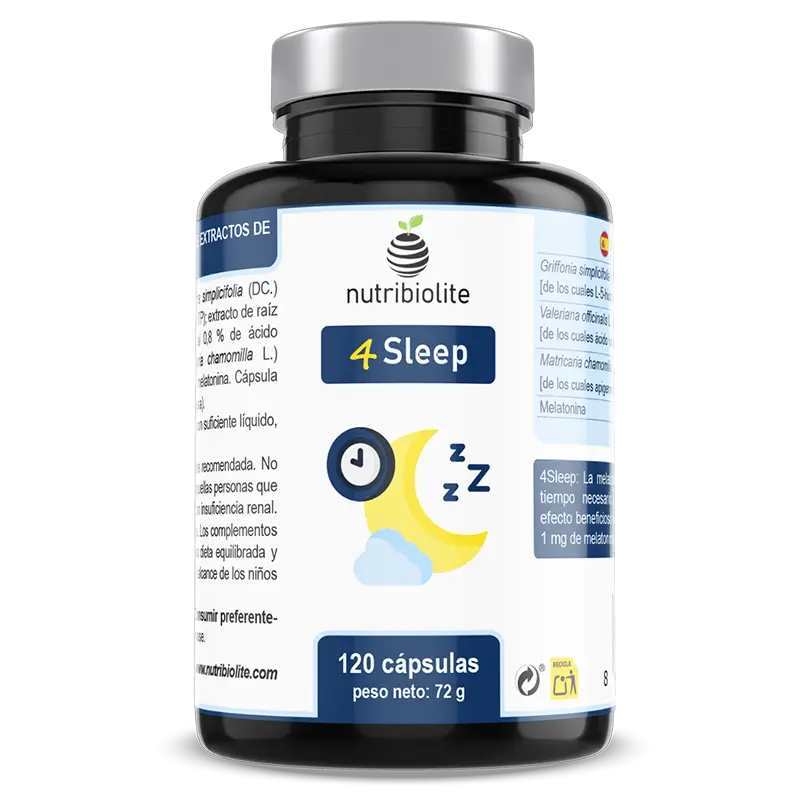
Nutribiolite 4Sleep combines melatonin with plant extracts to physiologically support sleep onset in adults with demanding rhythms.
Closing the circle, circadian genes, habits and nutritional support
The review in Annals of medicine reminds us that insomnia is not just a matter of willpower. It involves circadian genes, neurotransmitters, metabolism, inflammation and biological ageing. That is why the soundest strategy combines regular habits, good light management and, when it makes sense, supports that reinforce the melatonin signal.
Products such as 4Sleep fit into this approach as an additional tool for those who wish to better align their night with their internal clock. Always within a coherent routine that takes care of schedules, nutrition and stress management.
This content is informative and is not a substitute for the advice of a healthcare professional.
Frequently asked questions
What does it mean that insomnia has a circadian origin?
It means that in many people the problem is related to an imbalanced internal clock. The genes that set the 24-hour rhythms do not coordinate sleep, hormones and energy well, which leads to irregular nights and daytime tiredness.
How melatonin relates to internal clock genes
Melatonin is a chemical signal that informs the body that night has come. Its production follows the instructions of the brain’s circadian clock and, at the same time, helps to adjust that clock, which is why it is key in regulating sleep.
In what situations can a melatonin supplement make sense?
Adults with changing schedules, shift work, travel with time zone changes or periods of prolonged stress may appreciate it. In these contexts, the internal clock can easily become unsettled and physiological support can help to reinforce the nocturnal signal.
How 4Sleep fits into what the melatonin study describes
The study highlights the role of melatonin receptor agonists in facilitating sleep onset and adjusting the circadian phase. 4Sleep includes melatonin as a central ingredient and is supported by plant extracts to accompany the transition into the night within a healthy routine.
It is sufficient to take melatonin without changing light habits and schedules.
Evidence indicates that the best results come when you combine the two. Melatonin boosts the night-time signal, but it needs a consistent environment, less intense light at night, regular schedules and calm activities before bedtime.