




A study in Nutrients 2025 reviewed animal and human trials of coenzyme Q10, a key antioxidant in cellular energy production. The authors looked at its impact on memory, attention and cerebral blood flow in adults, many with cardiovascular or neurodegenerative diseases. Results were mixed, although several papers showed modest improvements in cognitive function and markers of oxidative stress.
For everyday life, this kind of evidence suggests something important. The state of the heart, blood vessels and mitochondria, the powerhouses of cells, directly influences how the brain functions with age. Taking care of cardiovascular health and cellular energy is not only reflected in blood pressure or cholesterol, but also in mental clarity and cognitive agility.
What the study on coenzyme Q10 and cognitive function looked at
The paper published in Nutrients is a review of preclinical studies and clinical trials of coenzyme Q10 in different settings. It includes twelve animal studies and eight human trials, involving healthy older adults, people with heart failure, hypertension, cognitive impairment, Alzheimer’s, Parkinson’s, chronic fatigue and other neurological disorders.
Overall, several animal studies showed clear improvements in memory and learning, along with less oxidative damage to the brain. In humans, the effects were more muted. Four out of eight clinical trials detected benefits in some cognitive dimension or cerebral blood flow, while others found no difference. The authors point to differences in dosage, duration and formulations as possible causes of these varied results.
How coenzyme Q10 connects heart and brain health
Coenzyme Q10, also called ubiquinone or ubiquinol depending on its form, lives primarily in the mitochondria. There it is involved in the electron transport chain, a process that makes it possible to manufacture adenosine triphosphate, or ATP, the energy currency of cells. The most energy-consuming organs, such as the heart and brain, are particularly dependent on this system.
With age, internal production of coenzyme Q10 decreases and oxidative stress increases. This means more free radicals and less ability of cells to neutralise them. The study reviews trials where supplementing coenzyme Q10 was associated with improved heart pumping function, slightly reduced blood pressure and increased blood flow, including to the brain. More efficient blood flow makes it easier for nerve tissue to receive oxygen and nutrients, which is essential for maintaining cognitive function.
In addition, several studies in Alzheimer’s and Parkinson’s models describe less inflammation, improved mitochondrial function and less accumulation of harmful proteins in the brain following coenzyme Q10 administration. Simply put, when cells manage energy and oxidative damage better, the brain’s environment is more favourable for retaining memory and attention.
Daily habits supporting the same physiology as coenzyme Q10
The review reminds us that coenzyme Q10 is just one piece of a larger system. The same processes that impair the heart, such as chronic inflammation, hypertension or uncontrolled cholesterol, are also associated with poorer cognitive performance. Therefore, habits that take care of the cardiovascular system often benefit the brain as well.
In practice, this means prioritising a diet rich in vegetables, fruit, legumes, nuts and fish, with less added sugars and trans fats. Maintaining a healthy weight, moving daily and engaging in moderate aerobic exercise several times a week helps improve vascular function and insulin sensitivity, factors that the study links to better cognitive preservation.
Sufficient rest, stress management and avoidance of smoking complete this approach. These are simple measures that reduce the oxidative stress burden and promote more efficient circulation. In this context, the role of specific nutrients such as coenzyme Q10 is better understood, as an additional support to processes that are already being taken care of by lifestyle.
How a cardiovascular supplement may relate to coenzyme Q10 in the study
The work in Nutrients focuses on coenzyme Q10 as a link between energy metabolism, cardiovascular health and cognitive function. Although the specific formulation of PROTECARDIO is not detailed here, the axis connecting heart and brain is the same that runs throughout the review. The central message is clear: when the cardiovascular system functions better, the brain’s blood supply and metabolic environment also benefit.
In that framework, a supplement designed to support cardiovascular physiology is of obvious interest to adults who want to take care of their cholesterol and circulation as part of a broader healthy ageing strategy. The study reviewed shows that interventions on cellular energy and oxidative stress, such as coenzyme Q10 supplementation, can be associated with improvements in markers of cardiac function and, in some cases, improved cognitive performance.
These formulations are intended to support the body’s natural mechanisms, not as substitutes for a balanced diet or as miracle solutions. They are intended for adults who already pay attention to their diet, physical activity and risk factor control, and who are looking for additional physiological support in the cardiovascular field.
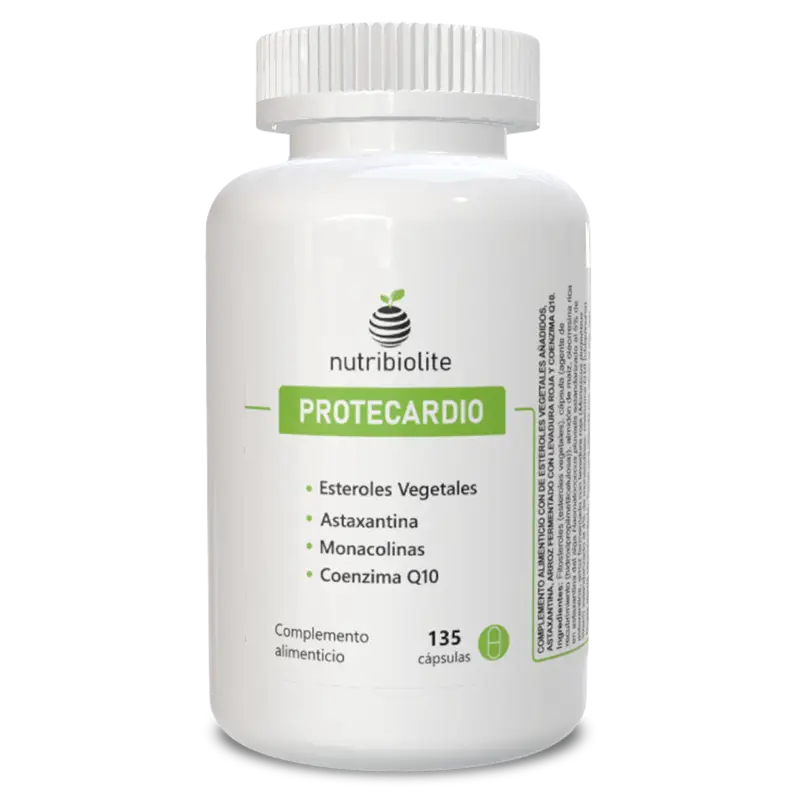
Cardiovascular supplement designed for adults who wish to support their cholesterol levels within a healthy lifestyle.
What can we take away from this study for everyday use?
The review in Nutrients concludes that coenzyme Q10 has interesting potential to support mechanisms that support cognition, such as mitochondrial energy, oxidative stress control and cardiovascular health. However, results in humans are heterogeneous and the authors call for longer and better designed trials.
The practical message is cautious but clear. Taking care of the heart, blood pressure, cholesterol and the cells’ ability to manage energy is also a way to take care of the brain in the long term. A combination of consistent lifestyle habits and, when it makes sense, the responsible use of specific supplements, can help sustain more active ageing both physically and mentally.
This content is informative and is not a substitute for the advice of a healthcare professional.
Frequently asked questions
What exactly is coenzyme Q10 and why is it related to ageing?
Coenzyme Q10 is a molecule involved in energy production within the mitochondria. Its internal levels decrease with age and this is associated with increased oxidative stress and reduced ability of cells to function efficiently.
Does the study show that coenzyme Q10 improves memory in all older people?
No. The review reports mixed results, with some trials showing improvements in certain cognitive aspects and others finding no difference. The authors stress that larger, more homogenous studies are needed before firm conclusions can be drawn.
Why does cardiovascular health have such an impact on cognitive function?
The brain depends on constant blood flow for oxygen and nutrients. High blood pressure, arterial stiffness or poorly controlled cholesterol damage blood vessels, which in the long term is associated with poorer cognitive performance and increased risk of decline.
Does it make sense to take care of cholesterol if I am concerned about future mental agility?
Yes, the study highlights that the same physiology that protects the heart often protects the brain. Maintaining a healthy lipid profile, along with exercise and good nutrition, is associated with better preservation of cognitive function over the years.
What role can cardiovascular supplements play in a healthy ageing plan?
They can provide additional support for pathways such as fat metabolism, oxidative stress and vascular function. Their effect makes more sense when they are integrated into a lifestyle that already takes care of diet, movement and risk factor management.