


A recent meta-analysis based on clinical trials, published in 2025 in the Journal of nutritional science , looked at the effect of coenzyme Q10 in statin-treated adults with muscle discomfort. The authors pooled data from seven controlled trials involving a total of 389 patients and found that coenzyme Q10 supplementation was associated with a significant decrease in the intensity of muscle soreness compared to placebo.
This finding matters because statins are key to controlling cholesterol, but many people drop out of treatment because of muscle pain. The study suggests that, in a group of patients with muscle symptoms, adjusting mitochondrial nutritional support may make it easier for them to continue to take care of their cardiovascular health without as much daily discomfort.
What the study did with coenzyme Q10 in people taking statins
The researchers reviewed randomised clinical trials, which are studies where groups are compared in a controlled way, in adults already taking statins. Participants had between 35 and 76 people per trial and received oral coenzyme Q10 for between 30 and 90 days, with daily doses between 100 and 600 milligrams.
In all studies, muscle pain was measured using validated scales such as the visual analogue scale or the brief pain questionnaire. In four trials there was a clear reduction in muscle symptoms, in three there was no relevant change. When analysed together, the data showed an overall decrease in pain intensity of about one point on a scale of zero to ten, a modest but clinically measurable effect for those with constant discomfort.
The authors note that there was considerable variability between studies, by sample size, dose and duration. Still, the overall trend pointed to less muscle pain in the group receiving coenzyme Q10, which may favour continued statin therapy in people with associated muscle symptoms.
How statins affect mitochondria and coenzyme Q10
Statins lower cholesterol by blocking a key enzyme in the mevalonate pathway, a metabolic pathway that the body uses to make cholesterol and other essential molecules. Among these molecules is coenzyme Q10, also called ubiquinone, which acts as an electron carrier in the mitochondrial respiratory chain and as a fat-soluble antioxidant.
When internal synthesis of coenzyme Q10 decreases, the mitochondrion produces less adenosine triphosphate, which is the energy currency of the cell. In muscle, this translates into reduced capacity to sustain exertion, increased accumulation of metabolites and increased susceptibility to oxidative stress. The practical result can be pain, cramps, stiffness or a feeling of weakness, known as statin-associated muscle symptoms.
The study points out that the diet provides small amounts of coenzyme Q10, which are present in meat, fish and some oils. However, most of it comes from internal synthesis. So when a person takes statins for months or years, there can be an imbalance between what the mitochondria need and what they actually receive.
Why modern life increases the burden on muscle and mitochondria
Beyond statins, everyday life adds pressure on muscle mitochondria. Sedentary lifestyles reduce the fibres’ ability to handle stress, while occasional peaks of exertion, such as resuming intense exercise all at once, demand a lot of energy in a short time.
Chronic stress increases hormones such as cortisol, which alter the way muscle uses glucose and fat. Diets poor in fresh foods, with excess ultra-processed foods, provide fewer natural antioxidants and fewer micronutrients that support mitochondrial function. With age, the efficiency of the respiratory chain also progressively declines.
In this context, a person taking statins who also lives under stress, sleeps little and moves little accumulates factors that facilitate the onset of muscle discomfort. The body does not lose the ability to adapt, but it needs more specific support to maintain energy production and control oxidative damage to muscle.
Daily habits that support muscle and cardiovascular health with statins
The coenzyme Q10 study does not replace the basic pillars of cardiovascular health, it complements them. The first line always includes a diet rich in vegetables, fruits, legumes, fish and quality fats, with less added sugars and trans fats, which helps control cholesterol and reduces low-grade inflammation.
Regular movement, such as brisk walking thirty minutes a day or a combination of gentle strength exercises two to three times a week, stimulates mitochondrial biogenesis. Muscle becomes more efficient in producing energy and the feeling of fatigue is reduced. Sufficient and stable sleep is also key to nocturnal muscle repair.
Even with these habits, many people find it difficult to achieve, through diet alone, the amounts of specific nutrients that the mitochondria need under prolonged statin treatment. This is where well-designed supplementation can provide additional support, always understood as a complement to a healthy lifestyle.
Coenzyme Q10 as nutritional support for statin users
The review in the Journal of nutritional science shows that supplementing coenzyme Q10 for one to three months can reduce muscle pain in a proportion of people with statin-associated symptoms. The doses used were higher than those usually obtained from food, which reinforces the idea that in these situations, the muscle needs a concentrated and constant supply.
Coenzyme Q10 acts directly in the mitochondria, optimising electron transport and supporting energy production. It also stabilises membranes and helps neutralise free radicals generated during repeated muscle contraction. This dual energetic and antioxidant role explains why its deficiency is associated with an increased risk of muscle discomfort.
The meta-analysis also recalls that the results were not identical in all trials, indicating that dose, duration and patient profile all play a role. Even so, for many people who wish to continue their cholesterol-lowering treatment, coenzyme Q10 represents a reasonable tool to support muscle tolerance.
Coenzyme Q10 and cholesterol management, where Nutribiolite’s PROTECARDIO fits in
In practice, a person taking statins and watching their diet can still fall short of an optimal intake of nutrients that support muscle and the cardiovascular system. Coenzyme Q10 is one of them, but so are other compounds involved in lipid balance and protection against oxidative stress.
This is where Nutribiolite’s PROTECARDIO fits in, a supplement designed to support cholesterol management from an advanced nutritional approach. Its formulation integrates coenzyme Q10 along with other selected ingredients that support key pathways in lipid metabolism and the protection of cell membranes from oxidation.
While the study focused on isolated coenzyme Q10, PROTECARDIO optimises this finding by combining it with compounds that facilitate a more favourable metabolic environment. Coenzyme Q10 supports muscle mitochondria, other components help maintain the cholesterol profile in healthy ranges and enhance the stability of lipoproteins against oxidative damage.
This synergy is aimed at something concrete, that the person using statins can support both their muscle and cardiovascular system with a concentrated formula, without unnecessary additives and intended for daily use. PROTECARDIO is aimed at adults who already take care of their diet and physical activity and want additional support to sustain their cardiovascular wellbeing.
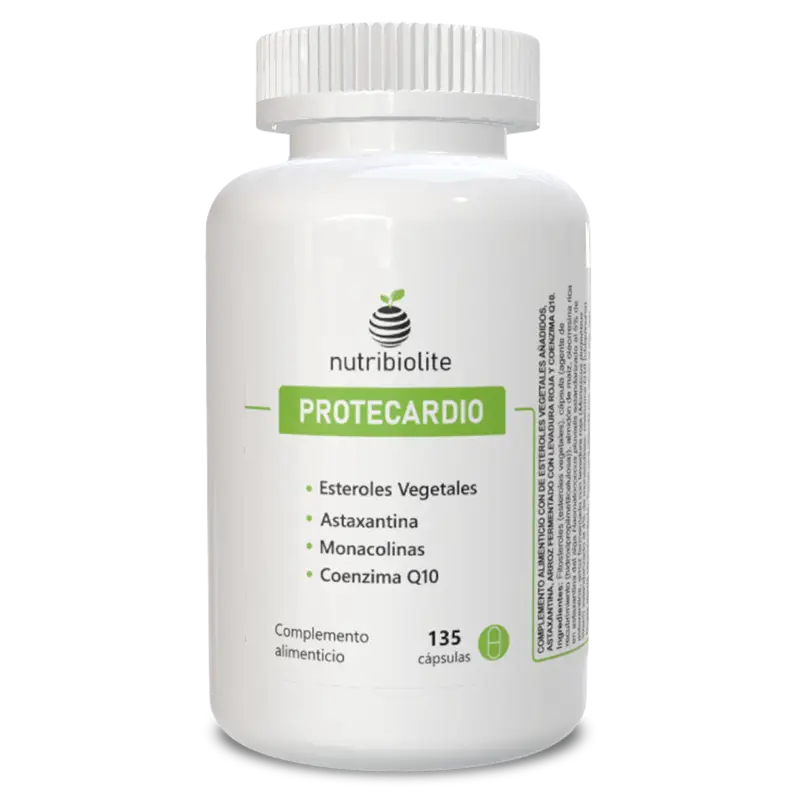
Nutribiolite PROTECARDIO supports cholesterol balance and muscle function in adults who use statins and take care of their lifestyle.
Final summary of the study and the role of habits
Meta-analysis in statin-treated adults indicates that coenzyme Q10 can moderately reduce muscle pain in people with associated symptoms. This improves daily well-being and may make it easier for them to maintain medication that protects their cardiovascular health.
However, coenzyme Q10 works best when it is integrated into a context of sound habits, a diet based on fresh food, regular movement, sufficient rest and stress management. Supplementation provides precision and consistency in key nutrients, something difficult to achieve with the modern diet alone.
Taken together, the study provides a clear biological explanation for statin muscle discomfort and opens the door to nutritional strategies such as PROTECARDIO to support muscle and the cardiovascular system in a physiologically consistent manner.
This content is informational and is not a substitute for the advice of a healthcare professional.
Frequently asked questions
What are statin-associated muscle symptoms?
These are discomforts that occur in some people taking statins, including pain, stiffness, cramps or a feeling of muscle weakness. They are usually mild or moderate, but can affect quality of life and adherence to treatment.
What the meta-analysis on coenzyme Q10 and muscle pain showed
The meta-analysis brought together seven clinical trials involving 389 adults on statin therapy and muscle discomfort. Overall, coenzyme Q10 supplementation was associated with a moderate reduction in pain intensity versus placebo, measured on a zero to ten point scale.
Why coenzyme Q10 is relevant for people taking statins
Statins reduce internal synthesis of coenzyme Q10 by blocking a metabolic pathway shared with cholesterol. Less coenzyme Q10 means less efficient muscle mitochondria and greater susceptibility to discomfort. Providing concentrated coenzyme Q10 can support energy production and muscle comfort.
The role of lifestyle habits alongside coenzyme Q10
Coenzyme Q10 works best when lifestyle is supportive. A diet rich in vegetables and healthy fats, regular exercise and adequate sleep reduce the burden on the muscle and cardiovascular system. Supplementation adds precision in key nutrients, but does not replace these pillars.
How PROTECARDIO fits into cholesterol and muscle care
Nutribiolite PROTECARDIO is aimed at adults who want to support cholesterol management and muscle wellness through nutrition. It integrates coenzyme Q10 with other components that support lipid metabolism and protection against oxidative stress, providing daily support consistent with the available evidence.