




A study in The American journal of clinical nutrition published in 2025 evaluated a six-month clinical trial in 150 women with recurrent urinary tract infections. Participants took either a daily capsule containing 500 mg of whole cranberry fruit powder or a placebo, in a randomised, double-blind design.
Women taking the cranberry supplement had 52 per cent fewer culture-confirmed urinary tract infections than the placebo group. In practice this means that, in a group of women with recurrent cystitis, whole cranberry capsules were associated with fewer episodes, less discomfort and less need for antibiotics.
For women with recurrent UTIs, this finding offers a clinically supported non-antibiotic support option. The benefit was modest but clear, especially against Escherichia coli, the most common bacteria causing cystitis.
The study focused on women aged 18 to 65 years with several infections in the past few months, so its conclusions apply mainly to this profile. For them, taking care of the urinary tract with specific habits and plant compounds can make a difference to their daily well-being.
A clinical trial with whole cranberry powder and fewer urinary tract infections
The trial was conducted at five research centres in Australia and followed participants for six months. All were women with a history of recurrent urinary tract infections, with at least three episodes in the past year or two in the past six months.
One group took a daily capsule containing 500 mg of whole cranberry fruit powder, while the other received a visually identical placebo. Each time symptoms of infection appeared, a urine culture was performed to confirm the presence of bacteria and quantify their load.
The main result was a 52 per cent reduction in the risk of confirmed urinary tract infections in the cranberry group versus the placebo. Most of the infections were caused by Escherichia coli and there was also a nearly 51 per cent reduction in this particular type of episode.
The authors describe the effect as practically relevant, as this is a population with a high symptom burden and frequent antibiotic use. Adherence to treatment was good and no major safety issues were detected during follow-up.
How cranberry interferes with bacterial adhesion in the bladder
The American cranberry, also called Vaccinium macrocarpon, contains plant compounds such as proanthocyanidins and flavonoids. These compounds have been studied for their ability to make it difficult for Escherichia coli to attach to the cells lining the urinary tract.
Under normal conditions, the bacteria use hook-like structures to attach to the bladder epithelium. When this adhesion is reduced, urine carries micro-organisms more easily and the likelihood of infection is reduced. In vitro and ex vivo studies show that cranberry extracts generate an anti-adhesive activity that weakens this bond.
The use of whole fruit powder provides not only proanthocyanidins, but also other phytonutrients present in the cranberry skin and pulp. This combination may offer a broader effect on urinary microbiota and local mucosal response than isolated fractions such as juice concentrates or single compound extracts.
In the clinical trial, this physiological action resulted in fewer culture-confirmed infections and fewer episodes with urinary frequency and urgency symptoms. It is an example of how a plant food, concentrated in capsule form, can support a particular function of the body without acting as an antibiotic.
Daily habits that support female urinary health
The effect of cranberry in the study adds to a foundation of daily care that remains essential. Maintaining good hydration helps to dilute urine and flush out bacteria, and it is generally recommended that water is spread throughout the day and not just concentrated in the evening.
Urinating regularly and not holding it for many hours reduces the contact time of bacteria with the bladder mucosa. After sex, emptying the bladder can also help to reduce the bacterial load in the urethra.
Gentle intimate hygiene, without aggressive products that alter the local microbiota, is another pillar. Wearing breathable underwear and avoiding tight-fitting garments for long hours can improve the environment of the urogenital area.
In women with recurrent infections, integrating foods rich in plant compounds, such as berries, and maintaining a lifestyle that supports a balanced gut and vaginal microbiota, can complement the support of specific cranberry-based supplements.
How Nutribiolite’s Uritractin aligns with evidence on cranberry and urinary wellbeing
Clinical trial with whole cranberry powder supports interest in formulas that use cranberry to support urinary tract care. Nutribiolite’s Uritractin is a food supplement based on plant extracts and leucine, designed to support female urinary wellbeing along the same physiological lines.
In the formulation of Uritractin, dried cranberry extract is selected to concentrate the active compounds responsible for anti-adhesive activity against Escherichia coli. The use of standardised dry extract allows a precise and consistent dosage of proanthocyanidins and other polyphenols, resulting in a more reproducible biological signal than that obtained with diluted juices or poorly defined mixtures.
Compared to products that combine cranberry with oils, added sugars or colourings, Uritractin relies on a clean formula, focused on the active plant ingredient and free of unnecessary additives. This purity of composition reduces interference in absorption and makes it easier for the body to receive only those compounds that really provide physiological value.
In addition to cranberry, Uritractin incorporates other plant extracts with a tradition of use in urinary comfort, such as hibiscus, which provides organic acids and antioxidants that modulate urinary pH and the mucosal environment. The presence of leucine, an essential amino acid, contributes to the metabolic and structural support of tissues, which reinforces the urinary epithelium’s ability to respond to repeated aggressions.
This combination of concentrated dried cranberry, other complementary plants and leucine creates a synergy that goes beyond a single isolated ingredient. The result is a formula designed for women who already take care of their hydration and hygiene habits, and who are looking for additional support consistent with the available evidence on cranberry and urinary health.
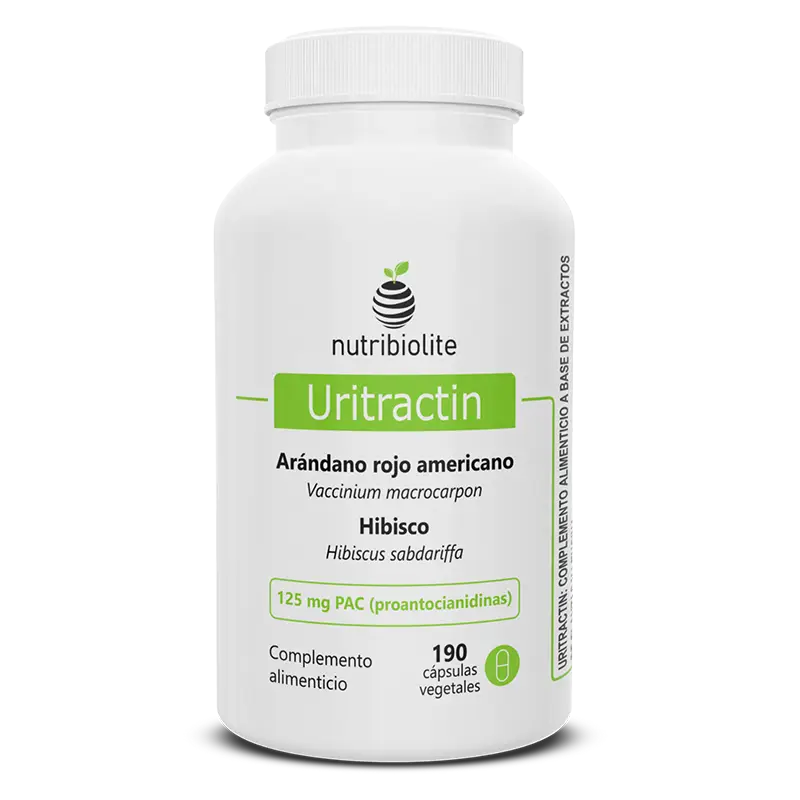
Supplement with dried cranberry extract, other botanicals and leucine to support urinary wellness in particularly sensitive women.
Conclusion, less infections and more urinary wellness with herbal support
The clinical trial with whole cranberry powder shows that continued use can moderately but consistently reduce confirmed urinary tract infections in women with recurrent cystitis. It does not replace antibiotics when needed, but offers a complementary route based on physiology and well-characterised plant compounds.
Integrating good hydration, respectful hygiene habits and phytonutrient-rich foods, along with specific supplements such as Uritractin, can help many women take care of their urinary well-being on a daily basis. The key is to add small, consistent actions that reduce the frequency of episodes and improve quality of life.
This content is for informational purposes only and is not a substitute for professional advice.
Frequently asked questions
What did the study on cranberry and recurrent cystitis show?
The clinical trial in women with recurrent urinary tract infections found that a daily capsule of whole cranberry powder was associated with 52 percent fewer culture-confirmed infections versus placebo over six months.
Who might a supplement like Uritractin make sense for?
Uritractin is intended for adult women who already take care of their hydration and hygiene habits, but who want additional support based on cranberry and other plant extracts for their daily urinary wellness.
How is dried cranberry extract different from commercial juices?
Dried cranberry extract concentrates the active compounds without added sugars or dilutions. This allows for a more precise and consistent dosage of proanthocyanidins and other polyphenols, which is difficult to guarantee with commercial juices that vary widely in content.
How long can a cranberry supplement be taken for the urinary tract?
In the study, the women took the cranberry supplement for six months continuously. In practice, many people make it part of their routine for extended periods as part of a healthy lifestyle.
Is taking cranberry enough or are other habits important for the bladder?
Cranberry can be a useful support, but it is not a substitute for basic habits. Drinking water regularly, not holding urine, taking care of intimate hygiene and wearing breathable clothing remain essential pillars of urinary tract wellness.