



A randomised clinical trial in adult blood donors, published in 2025 in The Lancet. Haematology(study in The Lancet. Haematology ), evaluated how different oral iron regimens, in the form of iron bisglycinate, help restore iron stores after donations. In 830 donors with low ferritin, taking iron for 56 days clearly reduced the occurrence of iron deficiency and anaemia compared with placebo.
For frequent blood donors, these results mean faster recovery of iron stores, less risk of anaemia and better protection of daily energy. The practical message is simple, when ferritin is low, a well-timed supplementation strategy can be an alternative to widely spaced donations.
What the trial did in donors and what changes it observed in iron and haemoglobin
The FORTE study was conducted in seven blood donation centres in the Netherlands. It included men and women aged 18 to 80 who were already regular donors and had ferritin at or below 30 micrograms per litre, a value that indicates low iron stores.
Participants were randomly assigned to six groups. All took capsules for 56 days, but at different doses and frequencies, placebo or 30 or 60 milligrams of elemental iron in the form of iron bisglycinate, every day or every other day. Three key outcomes were measured, iron deficiency, low ferritin and low haemoglobin, i.e. anaemia.
At 56 days, the difference was very clear. In the iron groups, the proportion of people with iron deficiency fell from around half to around 1 per cent at the 60 milligrams a day guideline. In practical terms, going from 50 in 100 donors with deficiency to 1 in 100 represents a large and relevant change.
The frequency of low ferritin and low haemoglobin was also reduced. The researchers concluded that iron supplementation, especially 60 milligrams per day, is an effective alternative to lengthening donation intervals too much in people with low ferritin.
Why iron stores and ferritin matter for daily energy
Iron is an essential mineral for making haemoglobin, the oxygen-carrying protein in the red blood cells. Without enough iron, the blood carries less oxygen to the tissues, resulting in fatigue, weakness and difficulty sustaining physical exertion.
Ferritin is the protein that stores iron in the body. It functions as a strategic reserve – when it is low, the body has less room to respond to iron losses, for example from blood donations, heavy menstruation or iron-poor diets. The study focused on donors with low ferritin, a common situation in caring people who donate repeatedly.
By improving ferritin and haemoglobin, iron bisglycinate supplementation supports basic physiological processes, oxygen transport, cellular energy production and maintenance of normal cognitive function. It’s not just about numbers on a test, it relates to how you feel when climbing stairs, concentrating at work or playing moderate sport.
Everyday habits that help protect your iron stores
The FORTE trial focused on iron capsules, but its results fit with the broader idea that taking care of iron stores requires a combination of diet, habits and, where appropriate, well-designed supplementation. For many people, the first step is to review diet.
Foods of animal origin, such as lean meats, fish and seafood, contain heme iron, which is more easily absorbed by the body. Legumes, nuts and green leafy vegetables provide non-heme iron, which is better utilised when combined with sources of vitamin C, such as citrus fruits, kiwi fruit and peppers.
It is also important to watch out for factors that hinder absorption. Too much coffee or tea with meals, or diets very low in protein, can limit iron intake. In people who donate blood frequently or who already have low ferritin, adjusting these details can make a difference.
The study suggests a ferritin-guided, ferritin-guided approach, which means making supplementation decisions based on actual iron stores, not just haemoglobin. This makes it possible to act before overt anaemia appears and to better maintain daily vitality.
How Nutribiolite’s Iron Complex with vitamins fits into this ferritin-guided approach
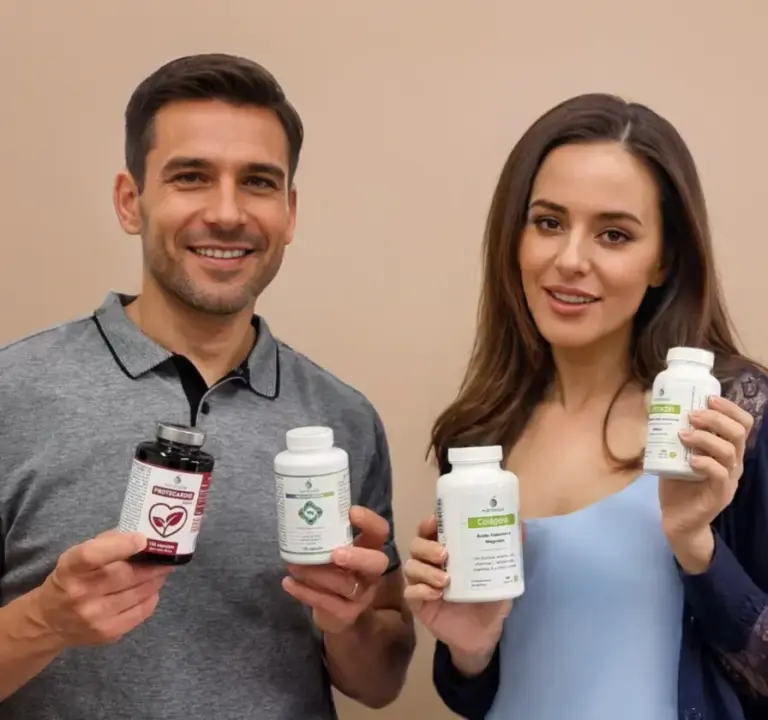
The FORTE trial used oral iron bisglycinate and showed that this form of iron, in doses of 30 to 60 milligrams daily, clearly reduces iron deficiency, low ferritin and low haemoglobin in regular donors. Nutribiolite’s Iron Complex with vitamins relies on the same physiological pathway, providing bioavailable iron to replenish stores and support normal red blood cell formation.
This type of supplement is aimed at adults who want to take care of their energy and iron levels within a healthy routine, especially when diet, frequent blood donation or other circumstances increase requirements. The aim is to support natural processes, oxygen transport and energy metabolism, following the logic that the study has highlighted in a real population.
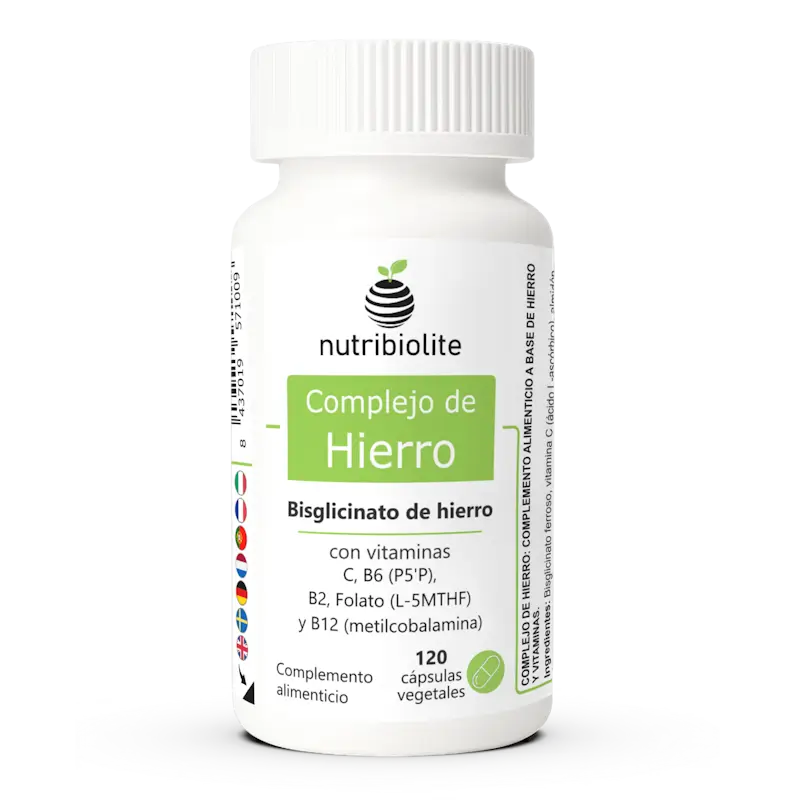
Iron supplement with vitamins is intended to support iron stores and vitality in health-conscious adults.
In a ferritin-guided strategy, an iron complex with vitamins can fit in as a support when tests show low stores and the person is already taking care of their diet and physical activity. The value is in offering iron in a well-tolerated form, together with vitamins involved in energy metabolism and normal blood formation, as part of an overall health plan.
Final summary, study, habits and role of iron supplementation
The FORTE trial shows that, in blood donors with low ferritin, iron bisglycinate supplementation for 56 days markedly reduces iron deficiency and the risk of anaemia. These results reinforce the importance of monitoring not only haemoglobin but also iron stores.
In everyday life, combining a diet rich in sources of iron, habits that promote its absorption and, when the tests justify it, a supplement such as Iron Complex with vitamins, helps to maintain energy and capacity for effort. It is a matter of following physiology, not looking for shortcuts, with informed choices that are consistent with each personal situation.
This content is for information only and does not replace the advice of a health professional.
Frequently asked questions
What does ferritin-guided iron supplementation mean?
It means deciding whether it makes sense to take iron based on actual iron stores, as measured by ferritin, and not just haemoglobin. In this way, it is possible to act before anaemia occurs and to better protect daily energy.
What the FORTE study on iron bisglycinate in donors showed
It showed that taking oral iron bisglycinate for 56 days, in doses of 30 to 60 milligrams, clearly reduced iron deficiency, low ferritin and low haemoglobin in regular donors with already low iron stores.
For whom ferritin care may be most relevant
It is especially relevant for people who donate blood frequently, women with heavy periods, people on low-iron diets or at times of high demand, such as certain periods of intense physical activity. In all cases, testing is the basis for deciding the best approach.
How does Iron Complex with vitamins relate to these types of studies?
Iron Complex with vitamins is based on the same idea as the FORTE trial, to provide oral iron in a well-tolerated form to support oxygen stores and transport. It is integrated into the routines of adults who are already taking care of their nutrition and are looking for physiological support for vitality.
What habits enhance the effect of iron supplementation?
It helps to combine supplementation with a diet rich in heme and non-heme sources of iron, to include vitamin C in meals and to reduce coffee or tea just before meals. Maintaining adequate intervals between blood donations and periodically checking ferritin and haemoglobin completes the strategy.