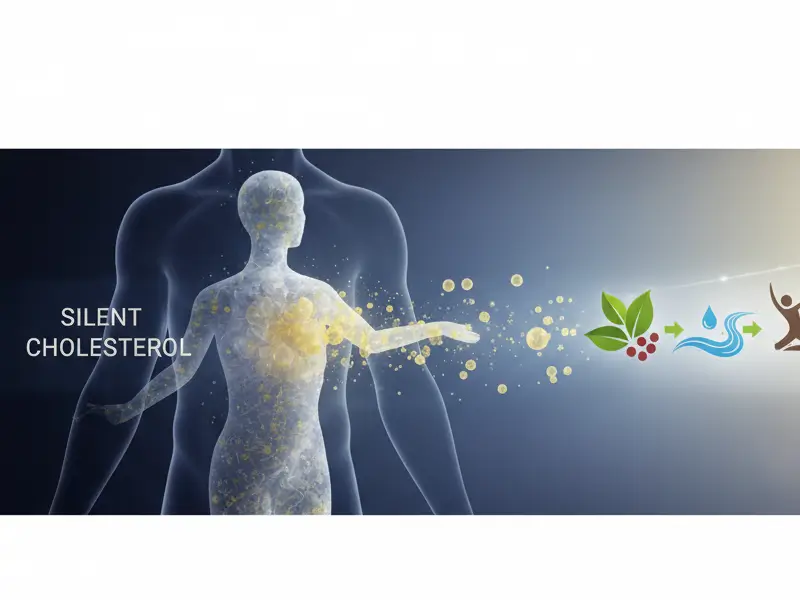





You feel fine, you go on with your life, and yet the test leaves a sentence stuck in your head: LDL above the desirable level. It’s disconcerting because cholesterol doesn’t hurt, and yet you know that, over time, it’s not how you feel today that matters, but what is silently going on in your arteries.
There’s a lot of talk about ApoB, “particles” and cardiometabolic health on the net as if it were a fad; in fact, the conversation makes sense because it focuses on something simple: the more atherogenic lipoproteins circulate for years, the more opportunities they have to slip in where they shouldn’t. So, if you want to do something useful, it pays to go to the levers that really move the numbers.
When LDL stays in circulation
LDL is a transporter: it carries cholesterol from the liver to the tissues because the body needs it for membranes and hormones. The problem arises when there is more LDL than you can effectively “recycle”, so those particles spend more time hanging around and are more likely to enter the artery wall.
Once inside, the environment changes and LDL can oxidise; at the same time, the immune system interprets this signal as something to be contained and a local inflammatory response begins. However, this does not happen for a single, isolated reason, but by the sum of three very earthly forces: how much cholesterol you absorb in the gut, how much you manufacture in the liver, and how exposed those particles are to day-to-day oxidative stress.
In addition, for many people the “high” comes not from a particular day’s food, but from repetition: late dinners, less fibre, more ultra-processed foods, less movement, and genetics that sometimes make it easy and sometimes not. Still, when you understand the journey, it becomes clearer where to intervene without going to extremes.
Three levers that move your cholesterol
The first lever is intestinal absorption, because some of the cholesterol from the diet and bile is reabsorbed and returned to the circuit. Conversely, when you introduce compounds that compete for that “seat” in the gut, the amount that ends up passing into the blood is reduced.
The second lever is hepatic synthesis, which is why the liver is the great regulator of LDL and its receptors. If the body senses that less cholesterol is available, it adjusts production and reuptake, and this balance shapes much of the lipid profile.
The third lever is protection against oxidation, in addition to the low-grade inflammation that accompanies a fast-paced life. It’s not a cosmetic detail from the lab: when LDL oxidises more readily, the process of accumulation in the arterial wall becomes more likely.
With this logic, Protecardio fits in as a direct and well-planned support, because it brings together plant sterols to work on absorption, red rice yeast with monacolins to accompany the balance of synthesis, and astaxanthin as an antioxidant relevant to the environment of these particles.
Three concrete micro-benefits that are noticeable in the routine: on the one hand, it provides a practical way to act “at mealtime”, when intestinal absorption is at stake and habit counts. It also allows you to stick to a consistent plan for weeks at a time, which is when the body really adjusts its balances, rather than going on impulse. And finally, it adds an antioxidant component to accompany your lifestyle when stress, a sedentary lifestyle or short sleep are pushing you in the wrong direction.
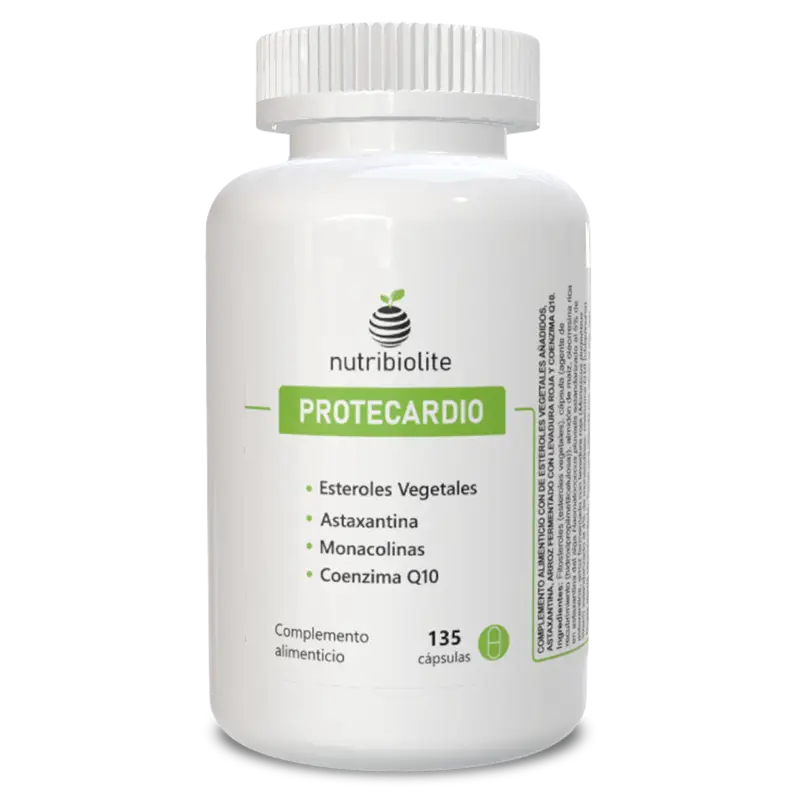
Intelligent support to take care of your lipid profile with consistency.
So if you’re already taking care of the basics – more soluble fibre, less trans fat, some strength and walking – the next step is usually to fine-tune these three levers without making your life difficult. And if you’re still starting out, it also helps you feel like the plan has direction, that it doesn’t rely on infinite willpower.
Typical doubts, clear answers
How much time do I need to see changes in a test?
Think weeks, not days, because lipoprotein turnover and liver adjustment take time. A usual window for reassessment is around 6 to 12 weeks, plus maintaining consistent habits during that period.
I am wary of red yeast rice, is it strong?
It is a concentrated option, which is precisely why you should use it wisely and stick to the prescribed dosage. If you have a history of liver disease or have had intolerances to similar products, it is wise to consult a professional beforehand.
I am taking statins or other medication, can I combine them?
Here it is important to be cautious: because of possible overlapping effects, it is advisable to ask for a medical or pharmaceutical assessment before combining them. In practice, this step gives you security and avoids unnecessary duplication.
Do I have to change my diet if I use it?
It helps a lot, because LDL responds better when you take friction out of the system: more legumes and oats, more vegetables, less ultra-processed food and frequent alcohol. Protecardio fits the bill as a support, as well as reminding you to be consistent on a daily basis.
If my total cholesterol is not that high, why am I worried?
Because sometimes the sensitive point is in LDL, non-HDL or markers such as ApoB, which reflect how many particles are circulating. Your doctor can help you interpret the whole picture, and you can act on the levers that depend on your routine.
A note of caution before you begin
This content is informational and is not a substitute for medical advice. Food supplements should not be used as a substitute for a balanced diet and healthy lifestyle, and it is important not to exceed the recommended daily dose. If you are pregnant, breastfeeding, have liver disease, or are taking medication (especially cholesterol treatments), consult a healthcare professional before using Protecardio.