





A randomised clinical trial published in 2024 in the study in Diseases (Basel, Switzerland) evaluated more than 80 moderately active adults with chronic knee pain. Over 40 days, it compared a dietary supplement with hydrolysed collagen versus placebo and observed less pain at rest and after exercise, along with improved joint function and quality of life.
For those living with persistent knee discomfort, these results are relevant. The study suggests that a daily intake of hydrolysed collagen, combined with other nutrients, may reduce pain perception and help maintain mobility in active people who already have chronic pain, without changing their usual medication.
What the clinical trial with hydrolysed collagen in active people with knee pain showed
The work was conducted at a single research centre in Spain with adults aged 18 to 60 who exercised regularly and had been suffering from movement-associated knee pain for at least two months. None had obesity or severe inflammatory diseases, and no strong painkillers or corticosteroids were allowed during the trial.
Participants took either a powdered supplement with hydrolysed collagen and other ingredients or an identical-looking placebo for six weeks. Pain intensity was measured using a visual scale from 0 to 100 millimetres, knee range of motion, and validated joint function and quality of life questionnaires. Those who received the supplement reported less pain on waking in the morning and three hours after exercise, as well as improved scores on knee function and symptom scales.
The changes were modest, but consistent, and were observed over a relatively short period of 40 days. Knee mobility did not clearly increase, but tended to worsen in the placebo group, whereas it remained stable in the collagen group, suggesting a possible short-term functional protective effect.
How hydrolysed collagen acts on cartilage and the knee joint
Collagen is the main structural protein of articular cartilage, ligaments and many supporting tissues. In joints, type II collagen provides strength and elasticity to cartilage, which functions as a gliding and cushioning surface between bones.
Hydrolysed collagen is obtained by fragmenting collagen into smaller peptides with low molecular weights that can be more easily absorbed by the intestine. Previous studies show that these peptides reach the circulation and can accumulate in tissues such as cartilage, where they stimulate chondrocytes, the cartilage cells, to produce new type II collagen and other components of the extracellular matrix.
In addition, some proline- and hydroxyproline-rich peptides resist digestion well and reach the bloodstream intact. It has been shown that these fragments can modulate local inflammatory signals and promote a more stable joint environment. Taken together, this mechanism results in improved structural support of cartilage and, over time, reduced stiffness and pain during movement.
Daily habits that support knee health and enhance the effects of movement
The collagen in the joint responds sensitively to mechanical loading. An adequate level of physical activity, such as walking, stair climbing or moderate strength exercises, stimulates cartilage renewal and maintains the musculature that protects the knee. On the other hand, prolonged sedentary lifestyles or sudden, unprepared exertion increase the risk of discomfort and wear and tear.
In daily life, it is advisable to combine regular movement, control of body weight and good technique in activities that put stress on the knee, e.g. well-executed squats or the use of appropriate footwear. It also helps to prioritise a varied diet with sufficient protein, fruit and vegetables, which provide amino acids and antioxidants necessary for collagen synthesis and inflammatory balance.
The study underlines that the best results appear in people who already move regularly and maintain an exercise routine. Collagen supplementation is an addition to this active lifestyle, not a substitute for it. Therefore, taking care of movement hygiene and avoiding both excess and inactivity is key to a more responsive knee.
How a collagen complex like Nutribiolite fits with the evidence on joint and knee pain
The clinical trial published in Diseases focused on a dietary supplement with hydrolysed collagen and other active ingredients, given for 40 days to adults with chronic knee pain. The reduction of pain at rest and after exercise, together with the improvement in joint function questionnaires, supports the interest in formulations that combine collagen with nutrients involved in the normal maintenance of connective tissue and joint balance.
In this context, a product such as Nutribiolite’s Hydrolyzed Collagen, Hyaluronic Acid, Bamboo Extract, Vitamins and Minerals Food Supplement is understood as a concentrated form of providing hydrolysed collagen along with other key joint components, including hyaluronic acid, minerals such as magnesium and vitamins such as vitamin C, all geared to physiologically support joint structure and comfort in daily life.
Hydrolyzed Collagen, Hyaluronic Acid, Bamboo Extract, Vitamins and Minerals Food Supplement from Nutribiolite for physiological support of active joints
The hydrolysed collagen in Hydrolyzed Collagen, Hyaluronic Acid, Bamboo Extract, Vitamins and Minerals Food Supplement provides specific peptides that the body can use as building blocks for its own supporting tissues. This pathway is consistent with that used in the clinical study, where daily intake of hydrolysed collagen was associated with less knee pain and improved joint function in active people with chronic discomfort.
Hyaluronic acid is another essential component of synovial fluid, the substance that lubricates the joint and facilitates gliding between bone surfaces. An adequate supply of its precursors promotes internal hydration of the cartilage and contributes to a smoother sensation of movement, especially in repeatedly loaded joints such as the knee.
Magnesium is involved in normal muscle function and energy metabolism, which is relevant for knee stability during exercise and daily activities. Vitamin C is necessary for normal collagen synthesis and acts as an antioxidant, helping to protect joint structures from oxidative stress associated with physical exertion.
The combination of these ingredients in a single supplement creates an interesting synergy. While hydrolysed collagen provides the structural peptides, hyaluronic acid relates to lubrication, and magnesium and vitamin C support muscle processes and collagen synthesis. This approach fits with the evidence from the study, where a supplement based on hydrolysed collagen and cofactors showed benefits on knee pain and function.
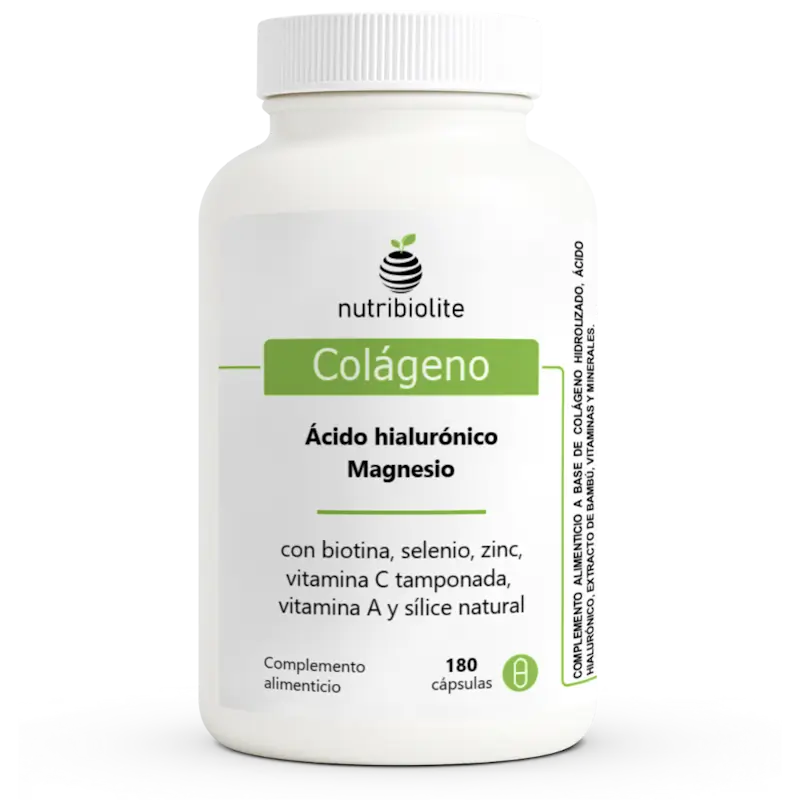
Supplementation with hydrolysed collagen, hyaluronic acid, magnesium and vitamin C for those who wish to physiologically support their active joints.
Hydrolyzed Collagen, Hyaluronic Acid, Bamboo Extract, Vitamins and Minerals Food Supplement is intended for adults who already take care of their diet and are physically active, and who are looking for additional support for the comfort and mobility of their joints, especially in stages of increased mechanical load on the knee.
What this study adds to your joint care routine
The trial in moderately active adults with chronic knee pain shows that a combination of hydrolysed collagen and other nutrients can reduce perceived pain and maintain function over a six-week period. This is not a dramatic change, but a clear and measurable improvement in the daily lives of people who were already suffering from persistent discomfort.
The key is to integrate several pillars. Regular and well-timed movement, weight control, proper exercise technique and, where it makes sense, a dietary supplement aligned with the physiology of the joint, such as a complex of collagen, hyaluronic acid, minerals and vitamins. This combination can support the natural processes of cartilage and connective tissue renewal.
In short, science reinforces the idea that caring for knees does not depend on a single action. It is the result of a sum of daily choices, from how you move to what nutrients you put into your body. This content is for information only and is not a substitute for the advice of a healthcare professional.
Frequently asked questions
Who is a supplement with hydrolysed collagen for joints most suitable for?
It is of particular interest to active adults who already experience recurring discomfort in their knees or other joints under load, and who wish to support their daily mobility in a physiological way, along with exercise and good habits.
What differentiates hydrolysed collagen from non-hydrolysed collagen
Hydrolysed collagen is in the form of small peptides that are more easily absorbed by the intestine. This increases the likelihood that the fragments will reach the circulation and can be used as building blocks in tissues such as cartilage and ligaments.
How long does it usually take to notice the effect of collagen supplementation in the knee?
In the clinical trial discussed above, changes in pain and function were observed after about six weeks of daily use. In practice, many people notice gradual improvements after one or two months, provided they also maintain good movement habits.
Is it enough to take collagen if I have knee pain or do I need to take care of other aspects?
Collagen is just one more support in an overall strategy. Taking care of body weight, strengthening the muscles surrounding the knee, avoiding sudden overloads and maintaining a varied diet are equally important factors for joint comfort.
What role do minerals and vitamins such as magnesium and vitamin C play in joint health?
Magnesium contributes to normal muscle function, which helps stabilise the joint during movement. Vitamin C is involved in normal collagen synthesis and acts as an antioxidant, which supports the maintenance of cartilage, bones and other connective tissues under stress.