



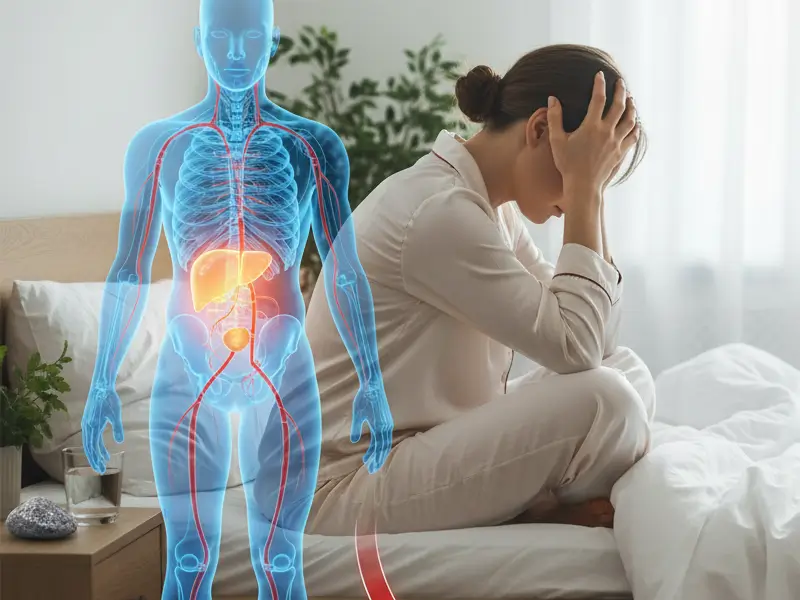

You go up two flights of stairs and you feel short of breath, although in theory you sleep well and eat “normally”. In the mirror you don’t see anything dramatic, but your body is heavy, your head is slow to start and even your coffee is not enough.
There is increasing talk on the internet about “low ferritin”, and this is not an empty fad, because ferritin functions as an iron store that gives you a buffer when life gets tough. In fact, many people live with low iron stores for months at a time and notice it in small, seemingly unconnected details.
When ferritin runs out of margin
Iron is not a sympathetic “extra”, because it is part of the haemoglobin that carries oxygen and, at the same time, fuels key reactions to produce energy inside cells. So when reserves are low, the body prioritises what is urgent and starts to save, and that saving is felt as fatigue, a drop in performance and a feeling of a battery that never reaches 100%.
In addition, the wear and tear is very real in common situations: heavy menstruation, poorly planned diets with little meat or pulses, endurance sports, or even times of stress when you eat less well and recover less. Even so, it is easy to get lost, because in a basic analysis the haemoglobin may be acceptable while the ferritin is already low, and yet you are still wondering why it is so difficult for you to get through the day.
At the same time, certain tissues are sensitive to this iron “budget”, such as the hair follicle or the nails, and that is why some people notice more fragility or seasonal loss when their reserves are at their limit. It is therefore important to think of iron as an internal logistics system, and not as an isolated number on a piece of paper.
How to replenish iron without upsetting the stomach
If the problem is a lack of margin, it makes sense to choose a well-tolerated form of iron and accompany it with cofactors that match the physiology of red blood cells. Nutribiolite Iron Complex combines iron bisglycinate with vitamin C and B vitamins B12, B6, B2 and folate, making it a particularly sensible choice when you are looking for absorption and nutritional consistency in the same capsule.
In practice, three specific micro-benefits that people often value when correcting low reserves, in addition to taking care of meals and rest, are more stable energy in the morning, less “lead-legged” feeling in mild activity, and a perception of greater strength in nails and hair when iron was short. However, the best thermometer is still your consistency and, if you can, analytical monitoring to see where you are and where you are going.
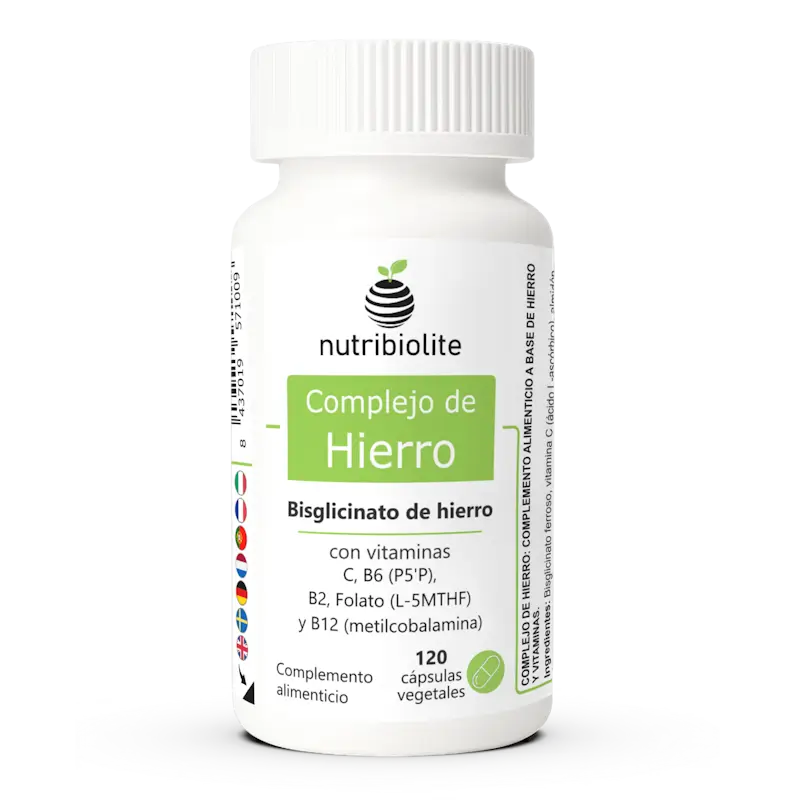
Recharge your reserves with a formula designed for energy, haemoglobin and a good daily rhythm.
Typical questions, clear answers
Iron tends to make me constipated, what do I do if I get constipated?
This is a very common objection, which is why it is best to start with a form such as bisglycinate and adjust the time you take it with food if your digestion is good, as well as reinforcing water, fruit and daily fibre. If you still notice persistent discomfort, it is wise to review dosage and guidelines with a professional, because the goal is to sustain it without your gut declaring war on you.
Will I get nauseous if I take it on an empty stomach?
Some people find iron intense on an empty stomach, so a simple strategy is to take it with a light meal and avoid strong coffee or dairy products on the same day. On the other hand, if you have an iron stomach and tolerate it well, keeping regular schedules helps you not to forget it, which makes all the difference in the end.
How long does it take to notice real changes?
Reserves are not rebuilt overnight, because the body needs time to make red blood cells and replenish stores, so it is usual to think in weeks rather than days. Even so, many people notice small changes in energy and tolerance to exertion first, and then more “bottom line” improvements as stores normalise.
What foods or supplements should I not mix it with?
To aid absorption, it is usually best taken separately from coffee, tea and large amounts of calcium, which is why many people take it mid-morning or mid-afternoon with something plain. In addition, the vitamin C in the complex itself adds to this, and even so, the habit of spacing it out from certain blockers is usually the detail that optimises results the most.
My tests “come out fine”, does that still make sense?
It depends on what has been measured, because a normal haemogram does not always reflect reserves, and so ferritin and other markers are more indicative when the main symptom is fatigue. The smart thing to do is to use the supplement as part of a sensible plan, ideally confirmed by blood tests and tailored to your context, especially if there are heavy periods, intense sport or a diet low in heme iron.
A note of caution before you start
This content is for information only and is not a substitute for medical advice. Food supplements should not be used as a substitute for a balanced diet and healthy lifestyle, and it is important not to exceed the recommended daily dose. Consult a healthcare professional before using iron if you are pregnant or breastfeeding, if you are taking medication, if you have medical conditions, or if there is a suspicion of iron overload.