





A study in Nutrients 2025 reviewed dozens of papers on athletes and concluded that vitamin D and magnesium are central to performance, bone and muscle health, and resistance to infection. The authors analyse data from elite and recreational athletes and show that a lack of these nutrients is common and associated with more injuries, fatigue and respiratory problems.
For those who train regularly, the message is clear. Taking care of vitamin D and magnesium levels is not only about strong bones, but also about available energy, efficient muscle contraction and an immune system that can better withstand seasons of high load.
Study highlights importance of vitamin D and magnesium in athletes
The paper, a narrative review of the scientific literature, compiles clinical trials and meta-analyses in athletes in a variety of disciplines, from football to swimming to long-distance running. It is not a single trial, but a synthesis of the available evidence up to 2025.
The authors point out that more than half of the athletes studied have low vitamin D levels and many also fail to meet the recommended intakes of magnesium. Practical consequences include increased risk of stress fractures, reduced strength, more cramps and an increase in respiratory infections in demanding seasons.
Vitamin D and magnesium regulate muscle, bone, energy and defences
Vitamin D functions as a hormone that helps absorb calcium and magnesium, regulates bone mineralisation and is involved in muscle function. When it is lacking, muscle loses efficiency and bone becomes more vulnerable to micro-injuries and stress fractures.
Magnesium acts as a cofactor in hundreds of reactions, including the production of adenosine triphosphate, the main energy currency of cells. It also modulates muscle contraction and relaxation, electrolyte balance and the electrical stability of the heart. The study reminds us that most of the active ATP in the body exists as the magnesium-ATP complex.
Both nutrients support each other. Without sufficient magnesium, vitamin D is neither activated nor properly transported. Without vitamin D, intestinal magnesium absorption is reduced. This interdependence explains why a double deficiency can amplify problems of fatigue, muscle weakness, bone pain and susceptibility to infection.
Daily habits that support muscle, bone and energy function
The study insists that the basis lies in daily routine. For vitamin D, the main source is moderate sun exposure, with bare arms and legs several days a week, adjusting the time according to skin type and season. Foods rich in vitamin D, such as oily fish and eggs, provide useful but limited amounts.
In the case of magnesium, diet is key. Green leafy vegetables, pulses, nuts, seeds, pure cocoa and whole grains concentrate this mineral. A highly processed diet, poor in these groups, is associated with intakes below the recommended levels, something the article describes as common in young athletes.
The authors also point out that intense exercise increases magnesium losses through sweat and urine. Therefore, those who train regularly may need a slightly higher intake than sedentary people, always within safe ranges and accompanied by adequate hydration and sufficient rest.
How Nutribiolite’s MAG FUSION fits into this physiology according to evidence
The work in Nutrients underlines that magnesium and vitamin D form a common backbone for muscle, bone, energy and defence. A supplement combining these nutrients, together with B vitamins and folate, can align with this same physiological pathway when diet and lifestyle do not meet daily needs.
Nutribiolite’s MAG FUSION is designed to support precisely this axis. It provides magnesium as a central mineral for muscle contraction and relaxation, energy production and electrolyte balance. It integrates vitamin D3, the form of cholecalciferol that the body uses to maintain bone and muscle health, and which has been linked in research to a reduced risk of stress fractures and improved recovery after exercise.
The product also includes vitamins B6 and B12 and folate, all of which are involved in energy metabolism and in balancing homocysteine, an amino acid that, when accumulated, can be associated with increased oxidative stress and cardiovascular burden. This combination reinforces the idea of comprehensive support for the processes of energy production and maintenance of active tissues.
The scientific review highlights that, in athletes, oral supplementation of magnesium and vitamin D can help to achieve adequate levels when sun exposure or diet are not sufficient. MAG FUSION is positioned in the same logic, as a tool for active adults who already take care of their diet and training and want additional support for their muscle, bone and metabolic physiology.
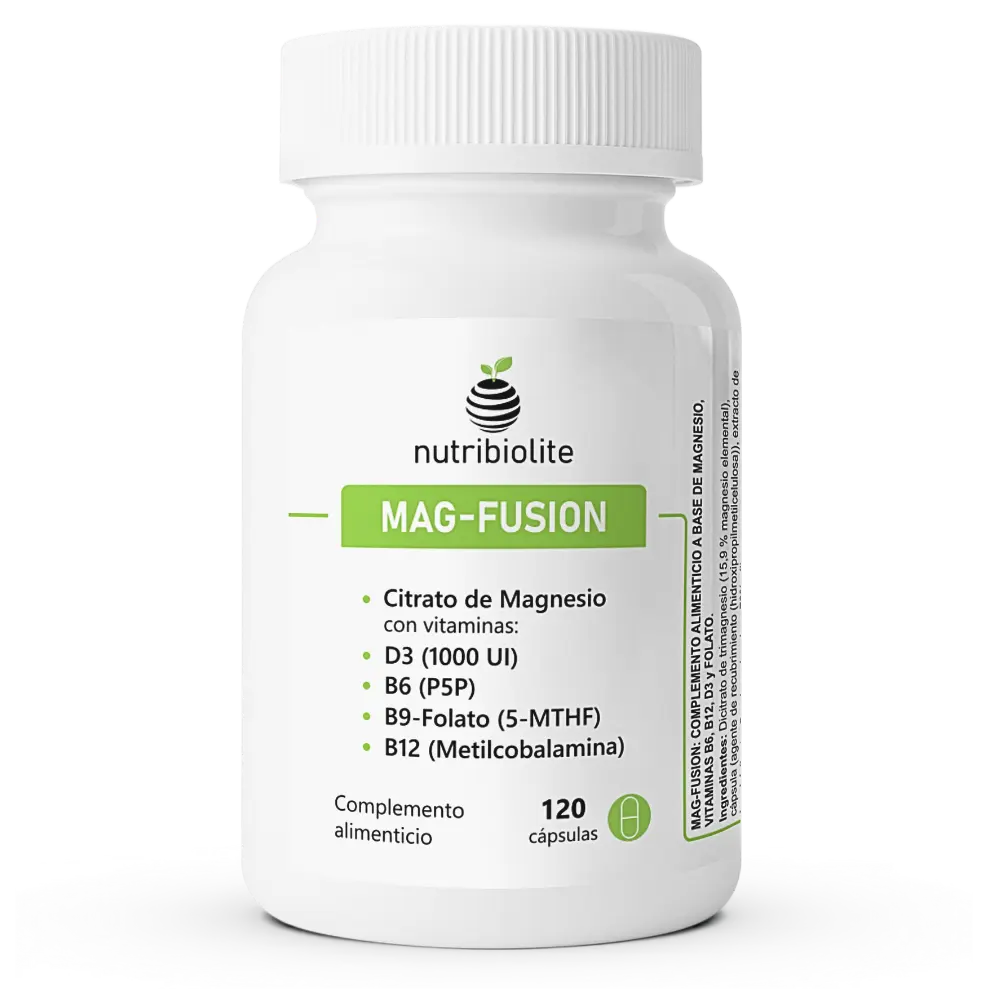
A supplement with magnesium, vitamin D3 and B vitamins for active adults looking for energy, muscle and bone support.
Final summary, taking care of the magnesium-vitamin D axis in everyday life
The study in Nutrients concludes that vitamin D and magnesium are essential for the performance and health of athletes, but its findings are also relevant to any active adult who wants to preserve strength, energy and bone structure over the long term.
Habits such as a diet rich in vegetables and nuts, sensible sun exposure and adequate hydration are the basis. When the routine or environment makes it difficult to meet these requirements, a supplement combining magnesium, vitamin D3 and B vitamins, such as MAG FUSION, may fit the bill as additional physiological support.
This content is informative and does not replace the advice of a healthcare professional.
Frequently asked questions
What does the study on vitamin D and magnesium provide for trainers?
The review shows that many athletes have low levels of vitamin D and magnesium and that this is associated with more stress injuries, poorer muscle performance and increased risk of respiratory infections. Taking care of these nutrients is part of a basic sports health strategy.
Why vitamin D and magnesium are considered a physiological match
Vitamin D enhances the absorption of magnesium and other minerals, while magnesium is needed to activate and transport vitamin D in the body. When one is missing, the other functions less well, which affects bones, muscle, energy and defences.
In which situations can a supplement like MAG FUSION make sense?
It can make sense in active adults with diets that are not rich in whole foods and vegetables, with low sun exposure or with intense workouts that increase magnesium losses. In these cases, a structured intake of magnesium, vitamin D3 and B vitamins can support the physiological processes involved in energy, muscle and bone.
If I watch my diet I still need extra magnesium and vitamin D.
A varied diet and sufficient time in the sun can meet the needs of many people. However, the study points out that even athletes with a good diet can be deficient, due to increased expenditure and losses. Assessing the individual situation helps to decide whether a supplement makes sense.
What makes MAG FUSION different from taking magnesium alone or vitamin D alone?
MAG FUSION integrates magnesium with vitamin D3 and B vitamins and folate, which are involved in energy metabolism and pathways related to muscle, bone and homocysteine balance. This combination seeks to jointly support the systems that the study identifies as sensitive to magnesium and vitamin D deficiency.