





A study in Nutrients published in 2025 examined over sixty papers on omega-3 fatty acids in adult military personnel. This systematic review looked at how consumption of EPA and DHA, the marine omega-3s, is related to physical performance, recovery from exertion, cardiovascular health and cognitive function in high-demand settings.
The results point to particularly clear benefits on three fronts, cardiopulmonary function, recovery from exercise and mental performance under stress. For a physically or cognitively taxed adult, the message is straightforward, having a good omega-3 status can make a difference in endurance, mental clarity and resilience.
What the review looked at in omega-3 in military personnel and why it matters
The review collected studies published between 2006 and 2024 that measured omega-3 status or used EPA and DHA supplementation in adults performing military duties. Controlled trials and observational studies were included, with doses ranging from moderate amounts to several grams daily.
The authors grouped the results into five areas, cardiopulmonary function, exercise recovery, cognitive performance, injury recovery and strength and power. The most consistent evidence appeared in improved cardiovascular parameters, somewhat more efficient muscle recovery, and indicators of attention and reaction speed. The effects were not miraculous, but were consistent with the known physiology of omega-3s in heart, muscle and brain.
How marine omega-3s work on heart, muscle and brain
EPA and DHA omega-3s are incorporated into the body’s cell membranes, especially in the heart, muscle and nervous system. On the cardiovascular level, several studies have shown slight decreases in heart rate at rest and during exercise, along with improved pulse recovery after intense exertion.
This is interpreted as the heart needing fewer beats to pump the same amount of blood, which is valuable during repeated exertion. Increases in nitric oxide, a molecule that promotes vasodilation and blood flow, were also observed, and in some cases modest improvements in peak oxygen consumption, a measure of aerobic capacity.
In muscle, omega-3s were associated with less increase in markers of muscle damage and less delayed soreness after demanding workouts, although results were variable. Part of this effect is due to a modulation of inflammation and oxidative stress, making it easier for muscle tissue to recover between sessions.
In the brain, DHA is particularly prominent. It is a key structural component of neuronal membranes and synapses. Several studies included in the review described improvements in reaction times, sustained attention and information processing in people supplemented with DHA and EPA, particularly in contexts of high physical and mental workload.
Daily habits to support physical and mental performance with omega-3s
The article itself reminds us that the basis of omega-3 status is in the diet. For a healthy adult, the first step is to aim for two to three servings a week of oily fish, such as sardines, mackerel, herring or salmon, and to reduce excess saturated and ultra-processed fats.
In terms of performance, it is important to take care with the timing of exercise and rest. Alternating high intensity days with active recovery days, getting enough sleep and maintaining adequate hydration helps any nutritional support to make physiological sense. Omega-3 does not replace these basics, it accompanies them.
It is also useful to monitor other factors that influence inflammation and oxidative stress, such as smoking, excessive alcohol or a very sedentary lifestyle. A diet rich in vegetables, fruits, legumes, nuts and olive oil complements the role of omega-3s and creates a more favourable metabolic environment for the heart, muscle and brain.
How DHA and phosphatidylserine supplementation fits with this evidence on cognitive performance
The military population review focuses on EPA and DHA, the marine omega-3s that also feature in many supplements aimed at mental performance. Within this family, DHA plays a particularly important role in the brain, where it is integrated into the membranes of neurons and promotes communication between them.
Phosphatidylserine is a phospholipid that forms part of these same neuronal membranes and is involved in signalling processes and synaptic plasticity. When DHA from fish oil is combined with phosphatidylserine, it aims to synergistically support nerve cell structure and function, which is in line with the review’s findings on attention, reaction time and information processing on demand.
In adults with a high mental workload, who work long hours in front of screens or who need to maintain concentration and cognitive agility, an additional intake of marine-derived DHA and phosphatidylserine may make sense within a routine that already takes care of food, rest and movement. It is about reinforcing physiological pathways that the study itself highlights, DHA-rich neuronal membranes and a more balanced inflammatory environment.
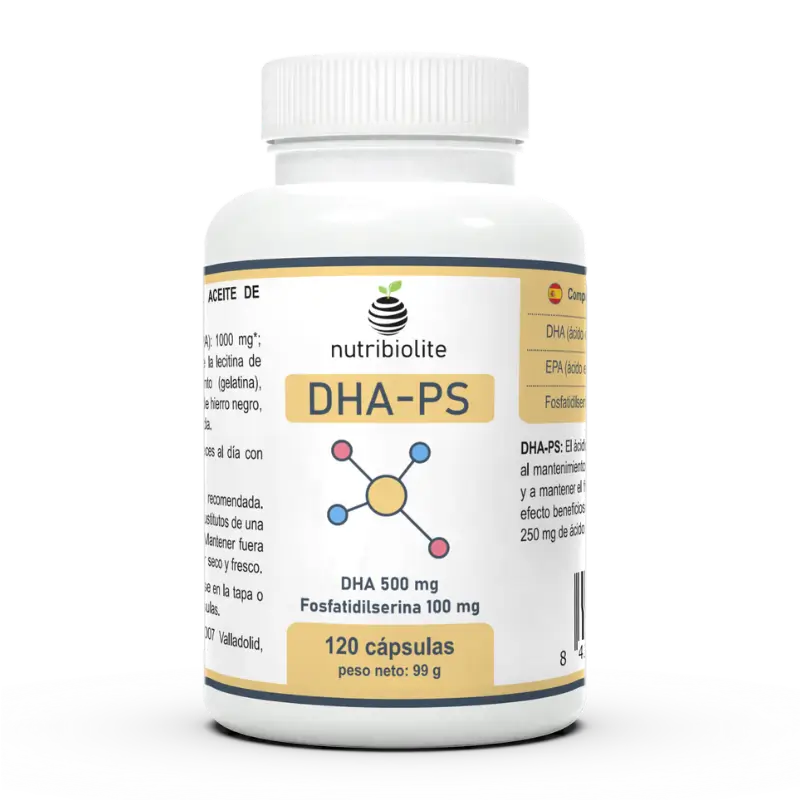
A marine omega-3 supplement rich in DHA combined with phosphatidylserine, designed for adults who want to support their daily cognitive performance.
Practical summary of the study and the role of habits
The review in Nutrients shows that maintaining a good marine omega-3 status is associated with a slightly more efficient heart, potentially more bearable muscle recovery and better cognitive response in high-demand contexts such as the military environment.
For everyday life, the core message is to combine three pillars – a diet rich in oily fish and plant foods, a well-structured exercise and rest routine and, where it makes sense, support with supplements that provide DHA and other neural membrane components such as phosphatidylserine. All aimed at sustaining long-term physical and mental performance.
This content is for information only and is not a substitute for the advice of a healthcare professional.
Frequently asked questions
What does marine DHA contribute to daily cognitive performance?
DHA is a fatty acid that is integrated into the membranes of neurons and promotes communication between them. Adequate DHA status has been associated with improved attention, reaction speed and mental processing, especially in cognitively demanding situations.
What role does phosphatidylserine play in brain function?
Phosphatidylserine is part of the structure of neuronal membranes and is involved in signalling and plasticity processes. Combining it with marine DHA supports both the physical architecture of the neuron and its ability to transmit information efficiently.
How does this military study relate to the life of an active person?
Although the focus of the study is the military, they share with many active people a high physical and mental demand. The findings on cardiopulmonary function, recovery and cognitive performance offer useful clues for any adult seeking to sustain their energy and mental clarity with the help of omega-3s.
Is diet enough to meet omega-3 needs?
The review reminds us that many people fall short of the recommended two to three servings of oily fish per week. The basis is always to improve the diet and, where this is not sufficient or practical, a supplement rich in DHA and other neural membrane components can be considered.
For whom might a supplement with DHA and phosphatidylserine make sense?
It may be an option for adults who already take care of their diet, exercise and want additional support for their cognitive performance. Especially in times of high mental or physical strain, where maintaining clarity, alertness and resilience is a priority.