





A study in Nutrients 2024 looked at 21 clinical trials in nearly 2000 adults with metabolic syndrome or cardiometabolic risk factors. People taking marine omega-3s, i.e. EPA and DHA from fish or marine oils, showed a clear and consistent reduction in triglycerides, especially with high doses and continued use.
Metabolic syndrome combines abdominal obesity, elevated triglycerides, somewhat high blood pressure and altered blood glucose. It does not always cause symptoms, but increases the risk of cardiovascular and metabolic disorders over time. Therefore, any strategy that helps to improve the blood fat profile and insulin sensitivity is of direct interest in everyday life.
Study confirms that marine omega-3 reduces triglycerides in adults at cardiometabolic risk
The researchers reviewed randomised clinical trials, the type of study that compares in a controlled fashion a group receiving marine omega-3 to a control group or placebo. They included adults with metabolic syndrome or several of its components, such as obesity, type 2 diabetes or dyslipidaemia.
EPA and DHA doses were grouped into low, medium and high, and short, medium and long intervention periods were analysed. The strongest outcome was triglyceride lowering, with moderate but clinically relevant decreases, especially when the total omega-3 dose exceeded 2000 milligrams per day and was maintained for at least eight weeks.
How marine omega-3s act on triglycerides, inflammation and insulin
Eicosapentaenoic acid, known as EPA, and docosahexaenoic acid, known as DHA, are marine polyunsaturated fats that the body incorporates into cell membranes. In the liver, they modulate enzymes that manufacture and release triglycerides into the blood, resulting in fewer fat-rich particles circulating.
In addition, EPA and DHA generate molecules with anti-inflammatory effects that counteract the low-grade inflammation typical of metabolic syndrome. Several of the included trials observed improvements in insulin sensitivity, as measured by indices such as HOMA IR, especially at high doses. This indicates that cells respond better to insulin and manage glucose more efficiently, although fasting glucose did not change consistently.
The study also points to a possible increase in LDL cholesterol with some marine omega-3 guidelines, an effect already described in other work. The type of LDL particles, which in other studies tend to become less dense and potentially less harmful, was not assessed, so the authors recommend interpreting this with caution and always within the overall lipid profile.
Lifestyle habits that enhance the effect of marine omega-3 on metabolism
The results of the meta-analysis fit with a simple idea. Marine omega-3 works best when it is part of an overall healthy lifestyle. It does not replace a balanced diet and daily movement, but accompanies them.
In practice, this means prioritising small oily fish such as sardines or mackerel several times a week, reducing added sugars and refined flours, and increasing vegetables and pulses. Maintaining a stable weight, walking daily and doing some vigorous exercise helps to improve insulin sensitivity and triglyceride management.
The study also shows that consistency matters. The clearest benefits on triglycerides were seen when marine omega-3 was taken on a sustained basis, for at least two to three months. So any strategy involving these fats should be approached as a sustained habit, not a one-off intervention.
How Nutribiolite OMEGA 3 EPA 400 mg + DHA 300 mg fits into this approach
The meta-analysis focuses on marine-derived EPA and DHA, the same types of omega-3s provided by Nutribiolite’s OMEGA 3 EPA 400 mg + DHA 300 mg. The study supports the role of these fatty acids in reducing triglycerides and supporting parameters related to metabolic syndrome when used in sufficient doses and for several weeks.
OMEGA 3 EPA 400 mg + DHA 300 mg is presented as a nutritional support designed for adults who already take care of their diet and physical activity and wish to reinforce the intake of marine omega 3. It encapsulates EPA and DHA in a clean, concentrated form, without unnecessary additives, making it easy to achieve an effective dose in a convenient and predictable way.
The use of EPA and DHA from concentrated marine sources allows for a high density of these fatty acids in each capsule. This improves the ratio between the amount ingested and the amount actually available to the body, which is key when looking for an effect on triglycerides and other metabolic markers.
Compared to vegetable sources of omega-3, based on alpha linolenic acid, whose internal conversion to EPA and DHA is limited, a concentrated marine supplement offers superior bioavailability. The active forms studied in clinical trials are delivered directly to the body, reducing individual variability and making it more likely to reproduce the effects observed in research.
Another distinguishing feature of the Nutribiolite formulation is the absence of additives such as magnesium stearate or other unnecessary excipients. A formulation focused on the main active ingredient, high concentration marine EPA and DHA, minimises interference with absorption and is more transparent to those seeking a supplement aligned with a short-label philosophy.
Together, OMEGA 3 EPA 400 mg + DHA 300 mg offers a structured way to incorporate highly bioavailable marine omega-3 into a daily routine that already includes a careful diet and regular physical activity. The product is not intended to replace these pillars, but to reinforce the physiological pathway that the study itself identifies as key, the modulation of triglycerides and inflammatory response through marine EPA and DHA.
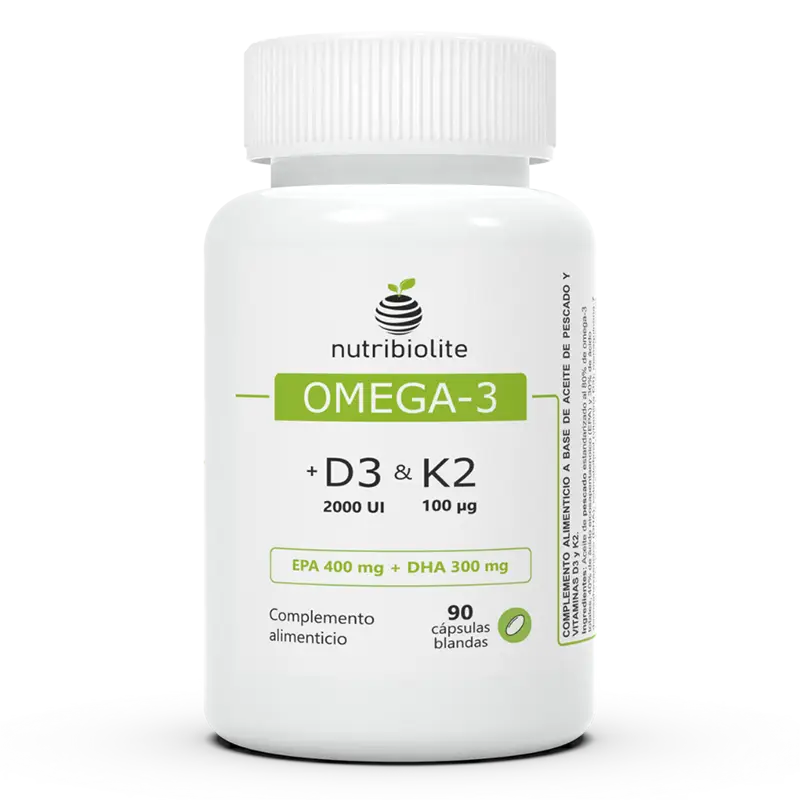
A concentrated marine omega-3 supplement, designed for adults who wish to boost their EPA and DHA intake as part of a healthy routine.
Final Summary, Marine Omega-3, Lifestyle and Metabolic Health
The meta-analysis in Nutrients shows that marine omega-3, EPA and DHA, consistently reduces triglycerides in adults with metabolic syndrome or related risk factors, especially with high doses and continued use. Effects on other parameters, such as glucose or blood pressure, are more variable, but the improvement in triglyceride profile and insulin sensitivity is repeated in numerous trials.
In practice, the combination of a diet based on fresh foods, weight control, regular physical activity and sufficient intake of marine omega-3 creates a more favourable metabolic environment. Supplements such as Nutribiolite OMEGA 3 EPA 400 mg + DHA 300 mg can fit into this approach as a concentrated, highly bioavailable form of EPA and DHA, always integrated into an overall care routine.
This content is for informational purposes only and is not a substitute for the advice of a healthcare professional.
Frequently asked questions
What is the difference between marine omega-3 and plant sources of omega-3?
Plant sources provide alpha linolenic acid, which the body must convert into EPA and DHA. This conversion is limited and highly variable between individuals. Marine omega-3 already contains ready-to-use EPA and DHA, which offers superior bioavailability and a more direct link to the effects observed in clinical trials.
Why the study focuses on triglycerides and metabolic syndrome
High triglycerides are a central part of metabolic syndrome and are associated with increased cardiovascular risk. The study shows that marine omega-3 consistently reduces these values in adults with risk factors, supporting its use as part of an overall metabolic care strategy.
How long does the evidence show changes with marine omega-3?
In the trials reviewed, reductions in triglycerides appear mostly after eight weeks of continuous use, with sufficient doses of EPA and DHA. This reinforces the idea that marine omega-3 should be taken consistently, as part of a stable dietary and physical activity routine.
For whom might a supplement such as OMEGA 3 EPA 400 mg + DHA 300 mg make sense?
It may suit adults who already take care of their diet and movement, but who consume little oily fish or wish to ensure a concentrated intake of EPA and DHA. It should always be understood as a nutritional support, not as a substitute for lifestyle habits or as a treatment for disease.
Is taking marine omega-3 sufficient without changing diet and lifestyle?
The study shows benefits on triglycerides, but these are enhanced when marine omega-3 is integrated in the context of a balanced diet, weight control and regular exercise. Relying on a supplement alone, without taking care of other habits, limits its real impact on metabolic health.