




A study in BMC complementary medicine and therapies published in 2025 looked at over 1300 cases of women with gynaecological complaints using herbal medicines. It was an observational study based on self-reported outcomes, focusing on menstruation, menopause and mild urinary tract infections. More than 80 percent described a clear benefit and almost 91 percent reported no relevant adverse effects.
For those living with hot flushes, irritability, fatigue or urinary discomfort, these data show that well-formulated herbal preparations may be a reasonable option in a comprehensive approach. The study reflects the real-life experience of women in practice and in pharmacy, and helps to better understand the place of herbal medicines in everyday gynaecological health.
The study shows that many women rely on herbal medicines for gynaecological symptoms.
The researchers used the PhytoVIS database, which collects experiences of patients who have taken herbal medicines for at least eight weeks. After excluding supplements and non-herbal preparations, 1363 cases were grouped into three main blocks, menstrual complaints, menopausal symptoms and uncomplicated urinary tract infections.
Participants rated the intensity of their symptoms, time of use, degree of improvement and presence of side effects. Most reported moderate to very marked improvement and excellent tolerability. Even women with severe symptoms chose to continue these treatments, indicating a positive perception of their usefulness in daily life.
Chaste tree and black cohosh align with female hormonal physiology
The study mentions the widespread use of Vitex agnus castus, known as chaste tree, for menstrual discomfort and premenstrual syndrome. Its standardised extracts act on the hypothalamic-pituitary-ovarian axis, modulating the release of prolactin and promoting a more stable hormonal pattern. Many women perceive less breast tension, irritability and cyclical pain as a result.
For menopause, the authors highlight Cimicifuga racemosa, or black cohosh, a root traditionally used for hot flushes, sweating and mood swings. It does not provide hormones, but plant compounds that interact with receptors and neural pathways related to thermoregulation and emotional balance. Several clinical trials have shown that it can reduce the frequency and intensity of hot flushes with good tolerance.
Herbal medicines show very favourable benefit-risk ratio
In the overall sample, eight out of ten women described the effect of herbal medicines as good or very good. Only a minority reported slight improvement or no change. This is relevant because these are data collected in actual practice, not in a highly controlled trial.
In addition, almost 91 percent reported no adverse effects or only minor discomfort. Less than 2 percent described significant reactions. This combination of perceived benefit and low rate of undesirable events reinforces the interest in these strategies when looking for alternatives or complements to anti-inflammatory drugs, hormones or antibiotics, especially in non-severe conditions.
Daily habits that enhance the effect of medicinal plants on women’s health
The study reminds us that gynaecological symptoms have an impact on productivity, concentration and emotional well-being. Therefore, beyond the use of medicinal plants, daily habits make an important difference. Maintaining a healthy weight, moving daily and prioritising restful sleep helps to stabilise the hormonal axis and the nervous system.
A diet rich in vegetables, legumes and sources of healthy fats, such as olive oil or nuts, supports a less inflammatory metabolic environment. Reducing tobacco and alcohol also reduces the burden on the vascular system and the liver, key organs in hormone management. In menopause, taking care of the pelvic floor and daily hydration contributes to better urinary and genital comfort.
How Nutribiolite’s Menovon fits into the use of herbal medicines for the menopause
The paper in BMC complementary medicine and therapies shows that many women turn to herbal medicines for menstrual and menopausal symptoms, with a very positive assessment of their efficacy and tolerability. Nutribiolite’s Menovon is in this same line of physiological support, with a formula focused on the menopausal transition.
Menovon combines extracts of soya and red clover, sources of isoflavones, with black cohosh and chasteberry, plus vitamins B6 in active form pyridoxal 5 phosphate, vitamin D3 and natural vitamin E. This approach integrates phytocompounds that interact with oestrogen receptors, plants with a tradition in vasomotor symptoms and fine modulators of the nervous system and bone metabolism.
Physiological synergies of soy, red clover, black cohosh and chasteberry in Menovon
Soy and red clover isoflavones are considered phytoestrogens, i.e. plant compounds with selective affinity for oestrogen receptors. In menopause, when the hormone levels themselves fall, these molecules can gently modulate certain receptors, which is associated with less intense hot flushes and better vascular comfort in many women.
Black cohosh provides another complementary pathway, acting on receptors in the central nervous system involved in regulating body temperature and mood. Chasteberry helps balance the secretion of prolactin and other pituitary messengers, which may be useful in women going through the perimenopause with irregular cycles, breast tenderness or marked mood swings.
Active vitamins B6, D3 and natural E strengthen Menovon’s metabolic base.
Menovon includes vitamin B6 in its active form pyridoxal 5-phosphate, which is involved in the synthesis of neurotransmitters related to emotional balance and stress management. By supplying the already activated form, it is efficiently used by the body, which is particularly relevant at times when the metabolism may become less flexible.
Vitamin D3 contributes to the maintenance of normal bones, a key aspect in menopause, when the risk of bone loss increases. Natural vitamin E acts as an antioxidant, protecting cell membranes against oxidative damage and supporting vascular health. Together, these vitamins create a more stable metabolic environment that complements the action of plants and phytoestrogens.
Nutribiolite’s Menovon as a clean, bioactivity-focused ingredient supplement
The study of herbal medicines underlines the importance of well-tolerated preparations with a favourable safety profile. Menovon follows this philosophy, relying on plant extracts and vitamins with clear physiological functions and dispensing with unnecessary additives, thus reducing exposure to non-valuable excipients.
The combination of soy and red clover isoflavones, black cohosh, chasteberry and active vitamins B6, D3 and natural E is designed to act on several layers at once – gentle hormone regulation, nervous system balance, bone support and antioxidant protection. It is intended for adult women who already take care of their diet and physical activity and want additional support aligned with the evidence on herbal medicines for gynaecological health.
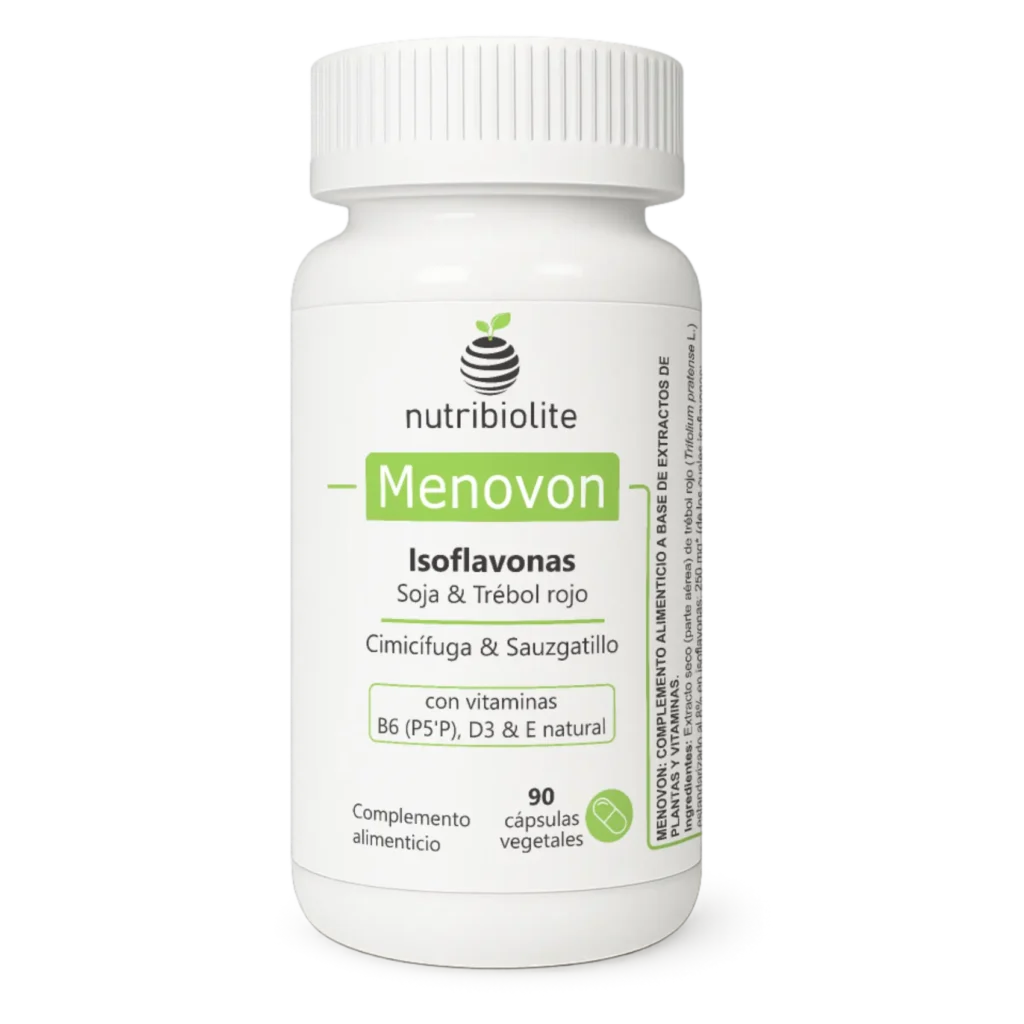
Nutribiolite Menovon brings together soy and red clover isoflavones, black cohosh, chasteberry and active vitamins B6, D3 and natural E to support the menopausal stage from a physiological perspective.
Conclusion, medicinal plants, routine and specific support in menopause
Analysis of patient-reported outcomes in the BMC complementary medicine and therapies study shows that herbal medicines have an increasing place in the management of menstrual, menopausal and mild urinary complaints. Most women perceive a clear benefit with a very low rate of adverse effects.
Integrating lifestyle habits consistent with female physiology and relying on formulations such as Menovon, which combine researched plants and key vitamins, can help women move through the menopause with more comfort and a sense of control. This content is for information only and is not a substitute for the advice of a healthcare professional.
Frequently asked questions
What does the study on herbal medicines do for women in menopause?
The study shows that many women with gynaecological symptoms, including menopause, perceive significant improvement with herbal medicines and report almost no significant adverse effects. This supports the use of well-studied plants as part of a holistic approach.
How is Menovon different from taking soy isoflavones alone?
Menovon is not limited to soy isoflavones. It adds red clover, black cohosh and chasteberry, which act on various hormonal and neural pathways, as well as active vitamins B6, D3 and natural vitamin E. This combination broadens the spectrum of physiological support for menopausal changes.
For what type of woman can Menovon make sense?
It may be an option for adult women in perimenopause or menopause who experience hot flushes, mood swings or feelings of instability and who want plant- and vitamin-based support, integrated into a healthy eating and movement routine.
How long should a herbal supplement for menopause be maintained?
The study shows that many women use herbal medicines for a month or more and value their effect well. In practice, menopausal supplements are usually used continuously for as long as the symptoms require it, always in accordance with the labelling.
Is a supplement such as Menovon enough to help you feel good during the menopause?
A supplement can be an important part, but it is not a substitute for daily habits. A combination of a balanced diet, regular exercise, stress management and specific support with plants and vitamins often offers a more complete result in well-being during the menopause.