





For people with sleep difficulties, these data point to a clear pathway, working with the same physiological pathways the body uses, melatonin and the brain’s calming systems, rather than forcing sleep with powerful sedatives. The review is especially relevant for adults and older people with chronic insomnia or imbalanced sleep rhythms.
Study shows melatoninergic agonists improve sleep onset and duration of sleep
The review focused on clinical trials of melatonin and other melatonin receptor agonists in adults with insomnia and sleep-wake rhythm disorders. Many studies used low doses of controlled-release melatonin, administered shortly before bedtime, and measured parameters such as time to fall asleep, total sleep duration and perceived sleep quality.
The results were consistent, melatonin and related compounds slightly or moderately reduced the minutes needed to fall asleep and increased the total time asleep, especially in older people and those with circadian rhythm disorders. In addition, a good tolerance profile was described, without the risk of dependence and daytime sleepiness typical of benzodiazepines and Z-drugs.
Chamomile and valerian are associated with relaxant effects complementary to melatonin
In addition to melatoninergic agonists, the work reviewed medicinal plants such as chamomile, valerian, lemon balm or passionflower. Several small clinical trials showed that these extracts were associated with improvements in subjective sleep quality and anxiety symptoms, two factors that often go hand in hand with insomnia.
In the case of chamomile, flavonoids such as apigenin appear to modulate GABA receptors, which are the nervous system’s natural brakes. Valerian, meanwhile, may increase GABA availability and promote the release of endogenous melatonin. The review concludes that these plants do not replace melatonin, but may enhance its physiological effect on sleep onset and continuity.
Regulating light, schedules and stimuli is the basis for melatonin to work effectively.
The study reminds us that melatonin is a signalling hormone, not a sedative. Its main function is to signal the brain that night has come and that it should begin the transition to rest. For this signal to be effective, the environment and daily habits must be supportive.
In practice, this means maintaining relatively consistent sleep and wake-up times, reducing exposure to screens and intense light in the last hour of the day, and avoiding heavy dinners or alcohol late at night. Including quiet routines, such as light reading or slow breathing, helps the GABAergic and serotonergic systems to orient themselves towards calm, which allows melatonin, either its own or supplemented, to do its job more effectively.
Neutral product block on 4Sleep in the context of sleep physiology
The scientific review supports the simple idea that when the circadian rhythm is respected and the melatonin-serotonin pathway is supported by appropriate habits, sleep tends to be more stable and restful. In this context, some adults who already take care of their diet, exposure to light and night-time routines may consider using a food supplement formulated with melatonin and soothing plant extracts as additional support.
Such a product is intended as an encapsulated extension of physiology, not a miracle solution. Its role is to accompany the internal processes that the body itself already uses to initiate sleep and reduce nocturnal mental hyperarousal. The choice of ingredients, doses and combinations should always be based on the available evidence on melatonin and plants such as chamomile or valerian, as the reviewed study highlights.
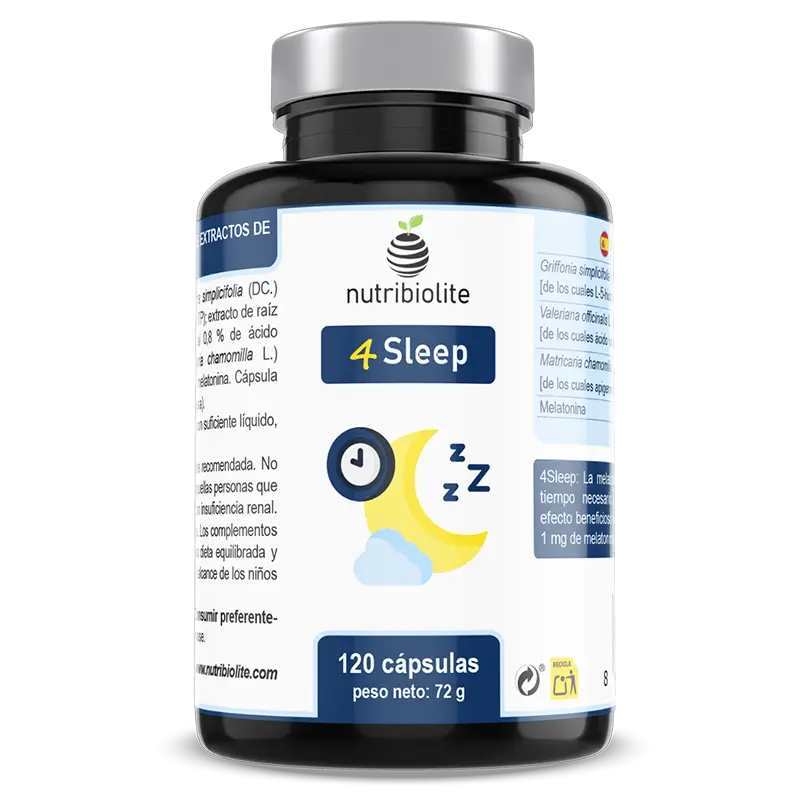
A supplement designed for adults who take care of their night-time routine and want additional physiological support based on melatonin and plants.
Daily habits and gentle supplementation can add up in managing insomnia
The overall message of the study is cautious and practical. The first line of action for insomnia remains sleep hygiene and behavioural interventions, such as insomnia-specific cognitive behavioural therapy. However, the evidence reviewed shows that melatonin and certain herbal medicines may offer additional support with a generally favourable safety profile.
For an adult person with sleep problems, this translates into a layered strategy. First, sort out schedules, light and stimuli. Then, assess physiological options, from tryptophan-rich foods to melatonin supplements and plant extracts, always understood as allies of one’s own biology, not as shortcuts to replace daily habits.
This content is informative and does not replace the advice of a health professional.
Frequently asked questions
What does it mean that melatonin improves sleep efficiency?
In the studies reviewed, melatonin was associated with less time to fall asleep and somewhat more continuous sleep. This indicates a more stable sleep, although improvements are usually modest.
The role of plants such as chamomile and valerian in insomnia
The review describes that these plants may promote relaxation by modulating systems such as GABA and serotonin. They are not strong sedatives, but may help reduce mental tension that makes it difficult to fall asleep.
Taking melatonin is enough without changing lifestyle habits
The article itself insists that the basis of treatment for insomnia is habits, regular schedules, fewer screens at night and calm routines. Melatonin works best when integrated in this context.
For what kind of people is this evidence most relevant?
The data are especially relevant for adults and older people with chronic insomnia or circadian rhythm disorders. In these groups, improvements in sleep latency and sleep stability were clearer.
How melatonin supplementation fits into a healthy routine
It can be part of a graded strategy, alongside good sleep hygiene and a balanced diet. It aims to support the internal signals that already regulate the sleep-wake cycle, not to replace daily habits.