





A study in Marine drugs in 2025 reviewed clinical trials in adults with bipolar disorder and omega-3 fatty acid use. The authors analysed several decades of research and found that, in part of the studies, EPA and DHA supplementation was associated with a reduction in the intensity of depressive episodes, although the results were not consistent.
For people living with a mood disorder, this means that omega-3 is not a substitute for medical treatment, but may be a complementary support in some cases. For all other adults, the message is clear: maintaining a sufficient intake of long-chain omega-3s is one more piece of brain health care.
What the review on omega-3 and bipolar symptoms in adults looked at
The review compiled 40 human clinical studies, many of them randomised controlled trials, conducted in adults with different types of bipolar disorder. High doses of EPA and DHA were evaluated for weeks or months and changes in manic and depressive symptoms were measured with standardised psychiatric scales.
Several studies showed slight or moderate improvements in depressive symptomatology when omega-3 was added to regular treatment. Other studies found no clear differences versus placebo. The authors point out that the wide variability in dosage, duration and combination of fatty acids explains some of these discrepancies.
How omega-3s act on brain physiology and mood
EPA and DHA, the main marine omega-3s, are integrated into the membranes of neurons and glial cells. This influences membrane fluidity, the way neurotransmitter receptors are organised and internal cell signalling.
The review highlights several pathways relevant to bipolar disorder, modulation of brain inflammation, regulation of oxidative stress and support for mitochondrial function, which is the powerhouse of the neuron. A brain with membranes well nourished in DHA tends to better manage signal transmission and activity changes.
In addition, omega-3s are involved in the synthesis of downstream molecules, such as resolvins and protectins, which help to resolve inflammatory processes. In a context of mood vulnerability, reducing inflammatory noise may promote a more stable environment for everyday mental function.
Daily habits that support brain function when mood is fragile
Beyond supplements, the review reminds us that lifestyle makes an important difference. A dietary pattern rich in oily fish, vegetables, fruit and nuts provides omega-3s, antioxidants and minerals that support brain biochemistry.
Regular movement, even moderate, improves sensitivity to neurotransmitters such as serotonin and dopamine and helps regulate stress. Sufficient sleep and relatively stable schedules reduce peaks of inflammation and protect neuronal plasticity.
For those who live with a high mental workload, a realistic guideline might be two portions of oily fish per week, some exercise almost every day, short breaks to disconnect from screens and moderate consumption of caffeine and alcohol. On that basis, an omega-3 supplement can act as an additional physiological booster.
How an omega-3 and phosphatidylserine supplement may fit with this evidence
The work in Marine drugs focuses on EPA and DHA as adjunctive support in the management of bipolar symptoms. Although it addresses a clinical population, it reinforces a general message that the human brain responds to the quality of the fats it receives and the stability of its membranes.
In healthy adults with high mental demands, a supplement providing marine omega-3s along with phospholipids such as phosphatidylserine seeks to tap into that same physiology. DHA contributes to the structure of neuronal membranes and phosphatidylserine is part of the lipid layer surrounding neurons, where receptors and ion channels are organised.
The combination of a long-chain omega-3 with phosphatidylserine is intended to support synaptic communication and the response to everyday stress, always within a lifestyle that includes good nutrition, rest and physical activity.
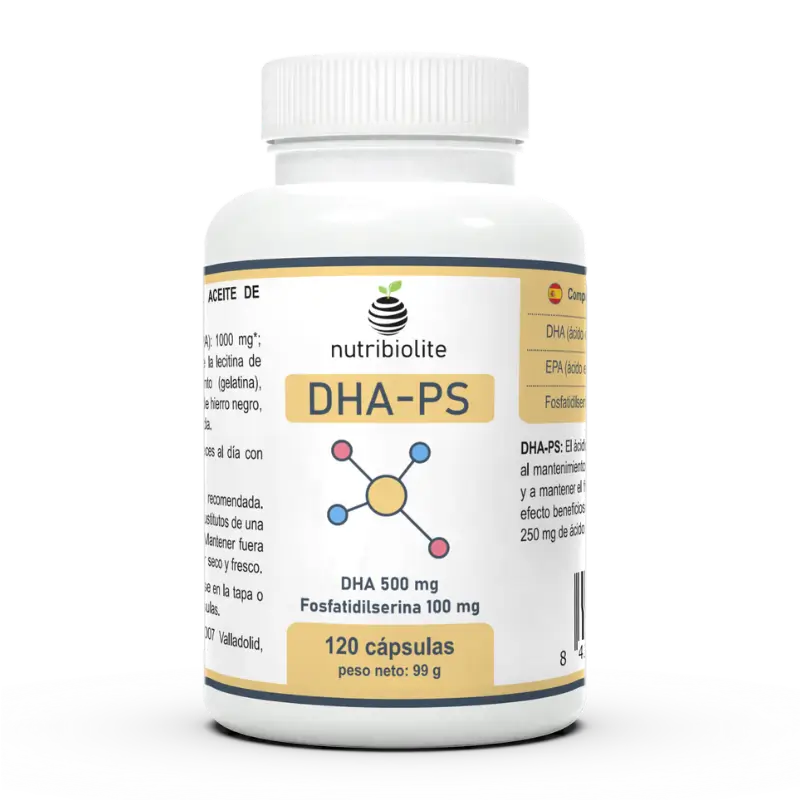
Designed for adults who take care of their diet and physical activity and are looking for additional physiological support for brain and eye health.
What can we learn from this study for everyday life?
The review in adults with bipolar disorder does not propose omega-3 as a single solution, but as a complementary part of a comprehensive approach. The extrapolated message is that a brain under stress, whether clinical or everyday, needs well-nourished membranes, controlled inflammation and a reasonably stable living environment.
For an adult seeking long-term mental health care, this translates into three pillars: a diet rich in omega-3s, habits that reduce inflammatory load and, when it makes sense, supplementation that supports the physiological pathways involved in brain function.
This content is informational and is not a substitute for the advice of a healthcare professional.
Frequently asked questions
What is the difference between dietary and supplemental omega-3s?
Omega-3s from fish, shellfish and some algae come from the diet and should be the basis. A supplement provides a constant, concentrated dose of EPA and DHA when the diet falls short of recommendations or the person has increased mental demands.
Does the study in bipolar disorder imply that omega-3 is good for any mood problem?
No, the review focuses on adults diagnosed with bipolar disorder and specific treatments. Its results support the physiological role of omega-3 in the brain, but do not authorise its use as a substitute for a medical approach in other disorders.
Why DHA is so much talked about when it comes to brain health
DHA is a long-chain omega-3 that is very abundant in the membranes of neurons. It provides membrane flexibility and makes it easier for receptors and channels to function precisely, which is associated with better communication between nerve cells.
What role does phosphatidylserine play alongside marine omega-3s?
Phosphatidylserine is a phospholipid found on the inner side of the neuronal membrane. It is involved in cell signalling and synaptic plasticity processes. When combined with DHA, it contributes to a favourable structural and functional environment for daily brain activity.
What other habits enhance the effect of omega-3s on the brain?
A regular sleep pattern, frequent moderate exercise and a diet rich in vegetables, fruit and low-processed foods enhance the impact of omega-3s. Cutting down on smoking and excess alcohol also protects neuronal membranes and cognitive function.