





A study in Nutrition Reviews 2024 looked at human trials and animal models on the impact of omega-3 fatty acids, particularly docosahexaenoic acid, or DHA, on the consequences of alcohol consumption. The authors found that, in animals, higher DHA was associated with less inflammation, better lipid profile and favourable changes in alcohol-related behaviour, while in humans the results are still modest and inconclusive.
For adults who consume alcohol regularly, these data make a key point that the nutritional status of the brain and liver matters in how the body responds to repeated alcohol exposure. It is not a question of neutralising its effects, but of understanding which nutrients are involved in protecting neurons, cell membranes and inflammatory systems.
Study links long-chain omega-3s to reduced inflammatory impact of alcohol
The systematic review compiled 12 studies, 10 in animals and 2 clinical trials in adults with alcohol use disorder. In the animal models, diets enriched in long-chain omega-3s, mainly DHA, were fed for periods of 10 days to 14 weeks, compared to standard diets while the animals received alcohol.
In this context, omega-3s were associated with fewer signs of inflammation in liver and fat tissues, improved liver enzyme profiles, and changes in behaviours such as anxiety, motor activity and alcohol preference. In humans, the two trials showed no clear changes in compulsion to drink or severity of dependence, although one showed a temporary reduction in drinking days in the first few months.
The practical message is cautious but interesting: taking care of long-chain omega-3 intake can support physiological parameters that alcohol tends to disrupt, especially inflammation and cell membrane composition, although it is not a substitute for any medical or psychological approach.
Omega-3 and phosphatidylserine are involved in neuronal structure and communication.
DHA is a long-chain omega-3 fatty acid that is integrated into the membranes of neurons and retinal cells. It provides membrane flexibility, facilitates the functioning of receptors and ion channels and is involved in the formation of inflammation-resolving molecules. When alcohol consumption is high, these membranes are subject to oxidative stress and changes in their composition.
Phosphatidylserine is a phospholipid abundant on the inner side of the membrane of neurons. It contributes to cell-to-cell signalling, maintenance of membrane structure and processes such as neurotransmitter release. The combination of DHA with phosphatidylserine helps neuronal membranes maintain an adequate ratio of structural fats and phospholipids, which is associated with more efficient communication between neurons and a more orderly response to stress stimuli.
In the revised study, the focus is on DHA and other long-chain omega-3s. Results in animals suggest that, when the body has enough omega-3s, the inflammatory response to alcohol is lower and behavioural disturbances are less intense. From a physiological perspective, it makes sense to think of the neuronal membrane-inflammation-emotional balance axis as a continuum where nutritional status modulates the response.
Daily habits that support the brain and liver in the presence of alcohol consumption
The first step is to review the relationship with alcohol. Reducing quantity and frequency, spacing out intakes and setting aside days without consumption are measures that have a direct impact on all organs involved. No nutrient compensates for high and sustained consumption.
In parallel, it makes sense to reinforce the nutritional basis that the study puts on the table. Including small oily fish two or three times a week, such as sardines or mackerel, provides DHA and other long-chain omega-3s. Adding sources of healthy fats, such as extra virgin olive oil and nuts, contributes to the overall quality of cell membranes.
Adequate night’s rest, regular physical activity and stress management also influence systemic inflammation and liver health. A body that arrives less inflamed and with better stores of essential nutrients is better able to withstand occasional challenges, although that does not make alcohol harmless.
How Nutribiolite DHA PS fits into this physiology of alcohol’s impact
Nutribiolite’s DHA PS supplement focuses on providing DHA from fish oil along with phosphatidylserine, two key components of neuronal membranes. The study in Nutrition Reviews highlights that DHA, as a long-chain omega-3, may play a neuroprotective role against some of the consequences of alcohol, particularly in animal models, by modulating inflammation and maintaining synaptic functions.
By combining DHA with phosphatidylserine in a single supplement, the lipid structure of the membrane and the phospholipid fraction involved in neuronal signalling are jointly supported. This synergy makes particular sense for adults who want to take care of their daily brain function, concentration and mental well-being in a context where alcohol can be part of social life.
The aim is not to counteract alcohol, but to reinforce physiological pathways that the study itself identifies as sensitive to dietary fat balance, in particular the omega-3, inflammation and neuroplasticity axis. DHA PS is intended for adults who already pay attention to their diet, rest and physical activity, and who are looking for additional nutritional support for brain and cell membrane health.
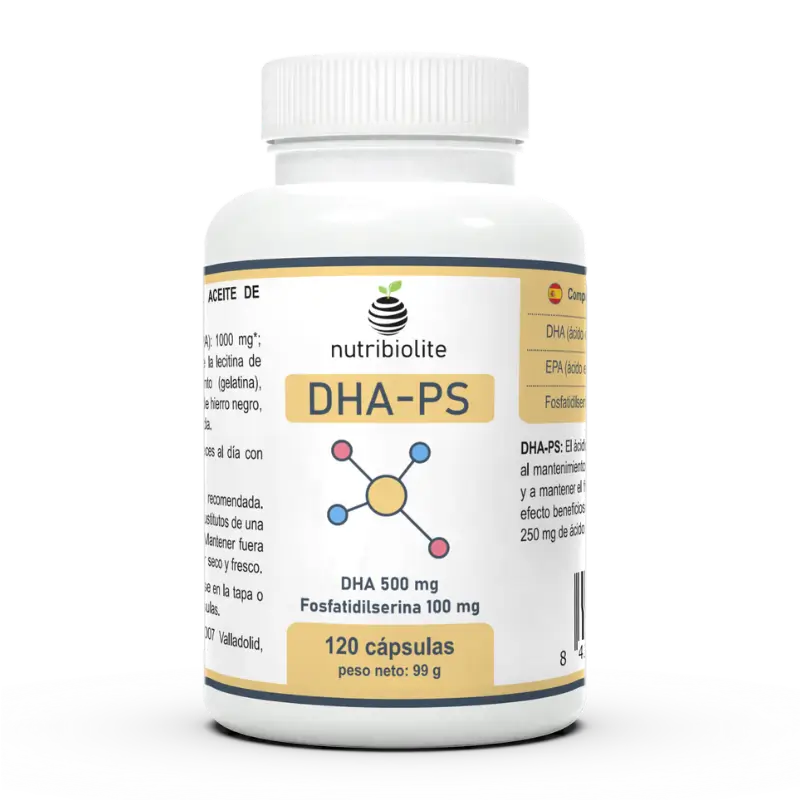
A supplement with DHA from fish oil and phosphatidylserine, intended for adults who wish to physiologically support brain health.
Addressing the impact of alcohol starts with daily habits
The study reviewed suggests that long-chain omega-3s, and in particular DHA, may modulate some of the body’s responses to alcohol, particularly at the level of inflammation and behaviour in animal models. In humans, the evidence is still limited, but consistent with the importance of maintaining good nutritional status of the brain and liver.
Reducing alcohol consumption, prioritising a diet rich in quality fats, getting enough sleep and moving daily are pillars that no supplement can replace. In this context, formulations that provide DHA and phosphatidylserine may fit the bill as additional support for those who wish to look after their brain health in the long term. This content is for informational purposes only and is not a substitute for the advice of a healthcare professional.
Frequently asked questions
What role do omega-3s play in the impact of alcohol on the brain?
Long-chain omega-3s, such as DHA, are part of the membranes of neurons and are involved in the resolution of inflammation. The study reviewed suggests that, in animals, increased availability of these fatty acids is associated with less inflammatory damage and less marked behavioural changes following alcohol exposure.
How fish DHA differs from other plant omega-3s
DHA from fish is already in the form that is preferentially used by the brain. Plant omega-3s, such as alpha linolenic acid from seeds or nuts, need to be converted to DHA and EPA in the body, and this conversion is limited in adults. This is why the study and many nutritional guidelines focus on long-chain omega-3s from the sea.
Can supplementation with DHA and phosphatidylserine compensate for high alcohol consumption?
No. High and frequent alcohol consumption has widespread negative effects that no nutrient can neutralise. Supplementation with DHA and phosphatidylserine can support the structure of neuronal membranes and certain physiological processes, but always within a lifestyle that limits alcohol and prioritises healthy habits.
For what type of person can Nutribiolite DHA PS make sense?
It may make sense for adults who want to take care of their brain health, who already take care of their diet and rest and who are looking for nutritional support focused on DHA and phosphatidylserine. It is especially relevant for people with a high daily mental workload or who want to pay attention to the quality of their dietary fats.
How the Nutrition Reviews study relates to the daily use of DHA
The study integrates data linking DHA with neuroprotective effects against alcohol in animal models and modest changes in clinical trials. In everyday life, this reinforces the idea of ensuring a good intake of DHA, through oily fish or supplements, as part of an overall brain and liver care strategy.