





A study in Nutrients published in 2025 reviewed 45 clinical trials in adult women with breast cancer. It looked at different oral supplements, including omega-3 fatty acids, and their impact on quality of life, side effects and safety during cancer treatments.
The results showed that some supplements, such as omega-3s, were associated with better control of certain symptoms and improved perceived well-being, without increasing serious adverse events. For many patients this translates into going through chemotherapy or hormone therapy with somewhat more physical and emotional stability.
Study shows some supplements can support quality of life in breast cancer
The review included only randomised clinical trials, the type of study that compares one group receiving the supplement with another receiving placebo or standard care. Adult women with different stages of breast cancer, both in active treatment and follow-up, participated.
The primary endpoint was quality of life, measured with validated questionnaires that capture fatigue, pain, emotional state and daily functioning. Secondarily, survival, markers of tumour progression and side effects of treatments were analysed.
The picture was heterogeneous. Vitamins, minerals, plant extracts and other compounds showed mixed results. However, omega-3 and beta-glucan stood out for their potential to alleviate specific symptoms and improve the overall perception of well-being, always with an acceptable safety profile within the studies.
Inflammation, immune system and cell membranes account for some of the impact
Many of the supplements tested act on well-known pathways, inflammation, oxidative stress and immune function. In the case of omega-3 fatty acids, such as EPA and DHA, the focus is on modulating the chronic inflammation that often accompanies cancer and its treatments.
Omega-3s are incorporated into cell membranes and change the type of inflammatory molecules the body produces. This may result in less pain, less stiffness or better tolerance to certain treatments, although the effect is usually modest and is not a substitute for cancer therapy.
Other supplements reviewed, such as vitamin D or curcumin, are associated with immune system regulation and protection against oxidative damage. Taken together, the study suggests that acting on these physiological pathways may make a small difference to how the therapeutic process is experienced.
Lifestyle habits that better accompany cancer treatment
The review underlines a key point: supplements make more sense when they are integrated into a context of healthy habits. The basis remains a varied diet, rich in fruit, vegetables, legumes, whole grains and quality fat sources such as oily fish, nuts and olive oil.
Regular movement, adapted to each person’s energy level, helps to maintain muscle mass, improve mood and reduce fatigue. Daily walking, gentle strength exercises and mobility activities are often well tolerated in many patients.
Night-time rest, stress management and social support also influence the perception of quality of life. Breathing techniques, support groups, psychotherapy and tailored leisure spaces can be as important as any capsule.
How omega-3 supplements relate to the wellbeing described in the study
Among the supplements reviewed, omega-3 fatty acids, commonly found in fish oils, showed an interesting association with the improvement of certain symptoms and quality of life in women with breast cancer. These compounds are involved in the structure of neuronal membranes and in the regulation of systemic inflammation.
In practice, this may influence both physical comfort and everyday cognitive function, for example mental clarity, concentration or feelings of mental fatigue. The study did not evaluate a specific product, but it does reinforce the interest in formulations that deliver omega-3 in a defined and safe way as part of an overall wellness approach.
How an omega-3 supplement can fit into a modern wellness routine
In everyday life, for both people undergoing treatment and breast cancer survivors, taking care of nutrition, movement and rest is the first step. On that basis, some choose to include an omega-3 supplement to support physiological processes related to inflammation, brain function and overall balance.
The study in Nutrients supports that, when used in studied doses and in the right context, omega-3 supplements can be an additional tool for wellness, with a reasonable safety profile in the trials reviewed. They should always be understood as a complementary support to the habits and treatments prescribed by the medical team.
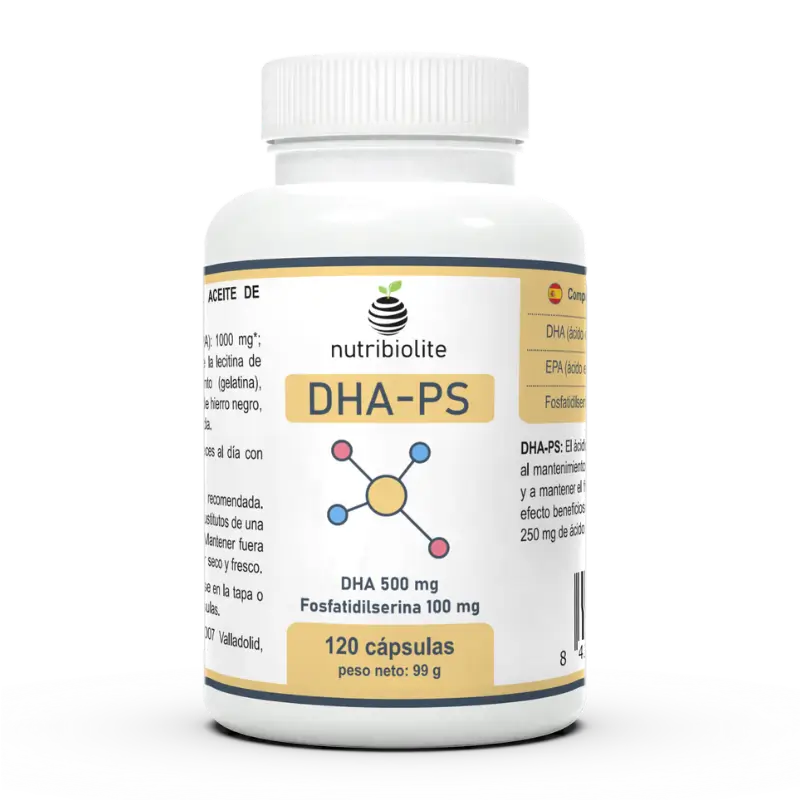
Omega-3 supplementation is intended for lifestyle-conscious adults seeking additional physiological support for their daily wellbeing.
Closing the loop between evidence, habits and supplements
The review in women with breast cancer shows that certain supplements, especially omega-3s, can provide modest benefits in quality of life without increasing serious risks. The central message is that the impact is multiplied when integrated into a coherent routine of diet, movement and emotional care.
In short, the role of supplements is to support processes that the body already performs, such as modulating inflammation or supporting brain function, never to replace medical treatments. Choosing well-defined formulas aligned with the available evidence is a prudent way to add physiological support to everyday life.
This content is informational and is not a substitute for the advice of a healthcare professional.
Frequently asked questions
What did the breast cancer supplementation study show?
The review of 45 clinical trials in women with breast cancer found that some supplements, such as omega-3s and beta-glucan, were associated with modest improvements in quality of life and specific symptoms, while maintaining an acceptable safety profile within the studies.
What role do omega-3s play in wellbeing during treatment?
Omega-3 fatty acids are involved in the structure of cell membranes and the regulation of inflammation. In the trials reviewed, they were associated with better control of some symptoms and a more favourable perception of general well-being in breast cancer patients.
Can omega-3 supplementation replace lifestyle changes?
No. The basis for well-being during and after cancer treatment remains a varied diet, adapted movement, good rest and emotional support. An omega-3 supplement only makes sense as an additional building block on this basis.
It is safe to use omega-3 supplements for breast cancer
In the trials included in the review, omega-3 supplements showed an adequate safety profile, with no increase in serious adverse events. However, the decision to use them should be individualised according to the clinical situation and ongoing treatments.
What other habits can improve quality of life in addition to supplements?
Eating a diet rich in vegetables and healthy fats, staying as active as possible, getting a good night’s rest and having psychological or social support are pillars that, combined with prudent use of supplements, can make a difference in everyday life.