
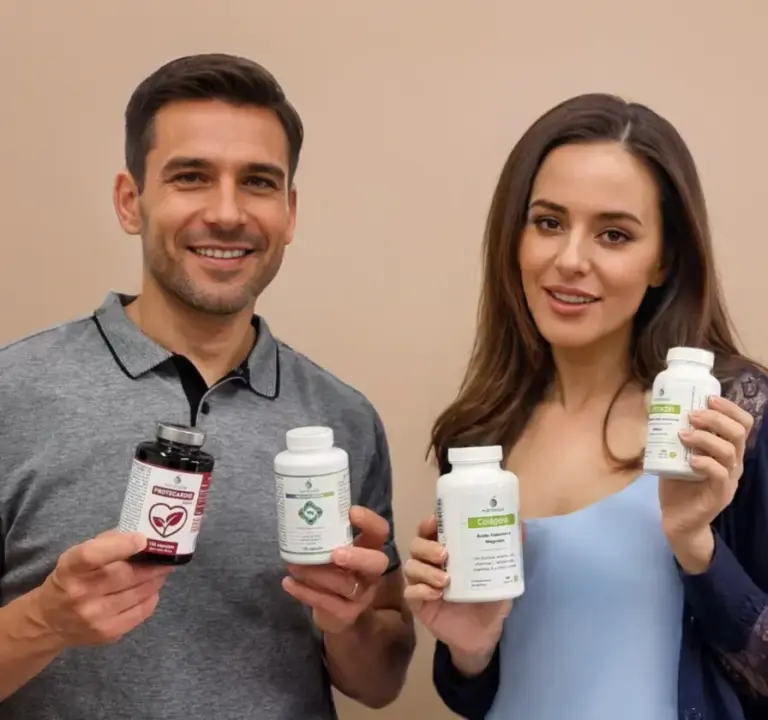




A study in Frontiers in medicine published in 2025 analysed 40 clinical trials of healthy adults taking different oral supplements against photoageing. The authors found that orally ingested collagen was associated with a clear improvement in skin elasticity and a better response to ultraviolet radiation, while other ingredients showed less consistent results.
In practical terms, this means that, in adults without serious diseases, certain oral supplements can provide a measurable boost to skin structure when signs of photoageing, such as loss of firmness or blotchiness, are already present. The effect was modest but relevant to daily aesthetics and was observed within a few weeks of continued use.
Study shows some oral supplements improve elasticity and sun tolerance
The systematic review and meta-analysis compiled 40 controlled trials involving more than 2,000 adults aged 18-75 years. All were randomised studies, meaning people were randomly assigned to either a supplement group or a placebo or low-dose group.
The researchers focused on two indicators. Overall skin elasticity, measured as R2 with devices that gently stretch the skin, and minimum erythema dose, which is the amount of radiation needed to produce visible redness. Higher elasticity and higher minimum erythema dose indicate skin that is more resistant to sun damage.
The analysis showed that oral collagen supplements were associated with a significant improvement in elasticity compared to placebo. Cocoa flavanols and other polyphenols also showed benefits, although with more variability between studies. In contrast, ingredients such as hyaluronic acid, lycopene or carotenoids showed no clear effects in this set of trials.
In terms of safety, most studies reported no relevant adverse effects for periods of up to 24 weeks. Still, the authors call for more quality trials to confirm the true magnitude of these effects in different population groups and living conditions.
Physiology of photoageing focuses on collagen, hydration and antioxidant defence
Photoageing is the accelerated ageing of the skin due to chronic exposure to ultraviolet radiation. Ultraviolet light damages collagen and elastin in the dermis, generates free radicals and alters the organisation of the fibres that support the skin from within.
Over the years, collagen production decreases and the existing fibres fragment. The result is thinner skin, marked wrinkles, sagging and a feeling of dryness. Ultraviolet radiation also alters the skin’s microcirculation and promotes low-grade inflammation, which aggravates the loss of firmness and the appearance of blemishes.
Oral collagen supplements provide peptides that can be reused by the body to synthesise new collagen in the dermis. In the trials included in the meta-analysis, this contribution was reflected in improved elasticity, suggesting a more consistent internal structure of the skin. Polyphenols, meanwhile, act as antioxidants and inflammation modulators, which may protect existing collagen fibres from oxidative damage.
Hydration is also key. Skin with a good extracellular matrix, rich in collagen and glycosaminoglycans, retains water better and tolerates external aggressions better. This combination of structure, hydration and antioxidant defence explains why some oral supplements show measurable results in photoageing.
Daily habits that reinforce the effectiveness of skin supplements
The study highlights that the supplements were tested on adults who maintained their usual lifestyle, without drastic changes in sun exposure or diet. Even so, the improvement was clearest when combined with basic photoprotection measures.
Avoiding intense sun in the central hours, wearing clothing that covers the skin well and applying sunscreen liberally remain the most effective tools for reducing cumulative damage. Supplementation acts as an internal support, not as a substitute for these measures.
In the diet, a pattern rich in fruits, vegetables and quality protein sources provides vitamin C, zinc and other cofactors necessary for collagen synthesis and antioxidant defence. Getting enough sleep, managing stress and avoiding smoking also help, because excess cortisol and smoke accelerate collagen degradation.
In summary, the meta-analysis data fit with a simple idea. Skin responds best when you combine external protection from the sun, a solid nutritional foundation and, if desired, a supplement that provides materials and cofactors to strengthen the skin matrix from within.
How a collagen supplement from Nutribiolite can align with this evidence
Meta-analysis highlights oral collagen as one of the supplements with the most consistent results in elasticity and photo-ageing. This physiological pathway, based on delivering peptides that the body recognises and uses in the dermis, is the one followed by well-designed collagen complexes.
In an advanced formulation, hydrolysed collagen is often combined with nutrients involved in the synthesis and protection of the skin matrix, such as vitamin C, zinc or biotin. Vitamin C acts as a cofactor in the formation of new collagen fibres. Zinc is involved in tissue repair and antioxidant defence. Biotin is related to the maintenance of skin and annexes such as hair and nails.
Hyaluronic acid, although in this meta-analysis it did not show a clear effect on its own, is part of the water-binding matrix in the dermis. Integrated in a formula with collagen and micronutrients, it may contribute to skin with improved internal hydration capacity. Silicon-rich extracts, such as bamboo, have traditionally been used to support the structure of connective tissues, complementing the role of collagen.
Overall, a formula combining hydrolysed collagen with hyaluronic acid, bamboo extract and a vitamin and mineral profile targeting collagen synthesis and antioxidant protection aligns well with the evidence from this study. It is intended for adults who already take care of their sun exposure and nutrition and are looking for additional support for skin elasticity and appearance.
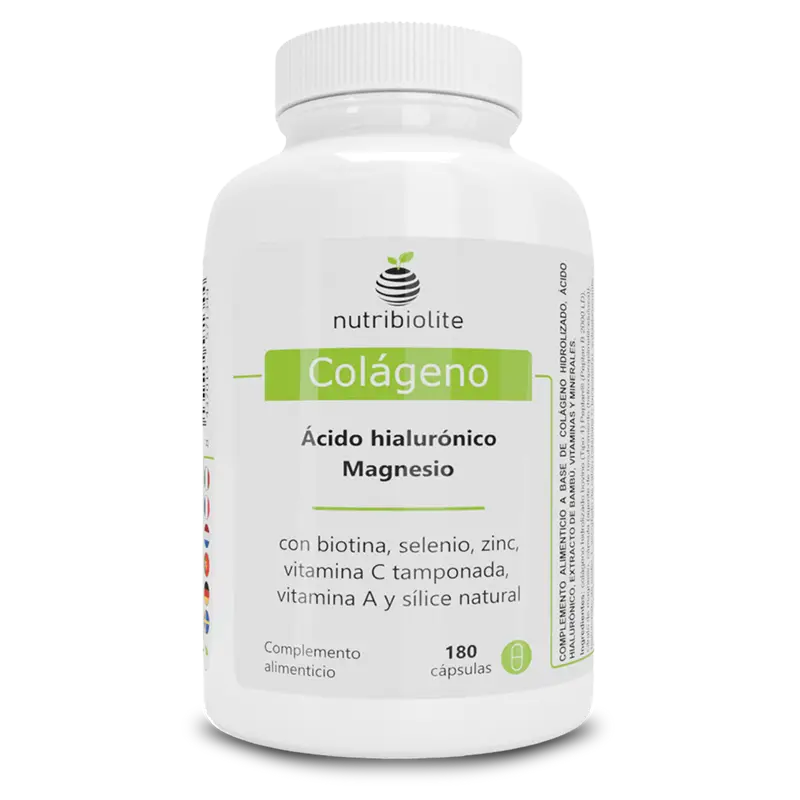
Hydrolysed collagen supplement with hyaluronic acid, bamboo extract and vitamins and minerals, designed to support skin structure and elasticity from within.
The final message, care for skin from the inside and out
Meta-analysis in healthy adults indicates that oral collagen supplements can improve skin elasticity and sun tolerance within weeks. Other ingredients show more variable results, so the choice of formulation matters.
For everyday life, the message is clear. The basis remains external photoprotection and a diet rich in nutrients involved in collagen synthesis and antioxidant defence. On that basis, a well-formulated collagen supplement can be an additional ally for those seeking to maintain firmer, more photo-ageing resistant skin.
This content is informational and is not a substitute for the advice of a healthcare professional.
Frequently asked questions
What did the study show about the effectiveness of oral collagen on the skin?
The meta-analysis found that oral collagen supplementation was associated with a significant improvement in skin elasticity versus placebo. An improved response to ultraviolet radiation in terms of minimum erythema dose was also observed.
How long did it take to see changes in skin elasticity?
Most of the included trials lasted between 4 and 12 weeks. Measurable improvements in elasticity in adults with signs of photoageing were recorded in that interval, with continued daily use of the supplement.
What role do vitamins and minerals play alongside collagen?
Vitamins such as vitamin C and minerals such as zinc act as cofactors in collagen synthesis and antioxidant protection. Combined with hydrolysed collagen, they support the body’s better use of collagen peptides to strengthen the structure of the dermis.
Oral hyaluronic acid is useful for photoageing
In this meta-analysis, oral hyaluronic acid alone did not show a clear effect on photoageing. However, it is part of the water-binding matrix in the dermis, so in combination with collagen and micronutrients it may contribute to better internal hydration of the skin.
What habits enhance the effectiveness of a collagen supplement?
Evidence suggests that effectiveness is greatest when combined with daily photoprotection, a diet rich in fruits, vegetables and quality protein, good rest and avoidance of smoking. The supplement provides materials and cofactors, but the skin benefits most when the whole lifestyle supports its regeneration.