





A clinical trial in adults with obesity and insulin resistance, published in 2025 as a study in Marine drugs , tested a marine oil rich in omega-3, plant sterols and astaxanthin for 12 weeks. The researchers observed improved glucose regulation, as measured by the HOMA index, especially in people with mild insulin resistance and when combined with lifestyle changes.
These results are important because insulin resistance often goes hand in hand with elevated cholesterol and increased cardiovascular risk. More stable glucose metabolism is associated with lower inflammatory burden and a more favourable environment for long-term heart health.
For people with abdominal obesity and impaired glucose, the study suggests that small, sustained adjustments can make measurable differences in insulin response. The benefit was clearest in those who were not in very advanced stages of metabolic dysregulation, reinforcing the case for intervening early.
In everyday life, this translates into combining food and movement with nutrients that support the management of fats and sugars in the blood. It is not about looking for shortcuts, but about adding up coherent pieces to take care of the cardiometabolic system.
What the calanus study did and how it changed glucose regulation
The CAGHO trial was conducted in 266 adults with abdominal obesity and insulin resistance as defined by the HOMA index. Four groups were compared over 12 weeks, two doses of calanus oil, the low dose combined with lifestyle intervention and a placebo group.
The HOMA index combines fasting glucose and insulin and is a proxy indicator of how the body responds to insulin. The improvement was most evident in those with mild insulin resistance who received either 4 grams of oil daily or 2 grams along with changes in diet and exercise. They showed a moderate reduction in the HOMA index and small improvements in glucose, insulin and glycosylated haemoglobin.
In people with severe insulin resistance, the effects were smaller. This fits with the idea that when dysregulation is severe, more potent and prolonged strategies are needed than a single supplement at moderate doses.
How glucose, inflammation and cardiovascular risk are linked in everyday life
Insulin resistance occurs when tissues respond less well to insulin and the body needs to produce more insulin to keep glucose stable. Over time this leads to visceral fat accumulation, increased triglycerides and changes in cholesterol, a scenario that puts stress on the cardiovascular system.
The calanus oil study is relevant because it works on this metabolic basis, not just on an isolated number. By slightly improving insulin responsiveness in people with mild insulin resistance, it reduces ongoing exposure to glucose and insulin spikes, which are associated with more inflammation and increased oxidative stress in blood vessels.
In practical terms, more stable glucose metabolism is often accompanied by fewer energy swings, better appetite control and a more favourable environment for maintaining cholesterol levels within healthy ranges when accompanied by an appropriate diet.
Daily habits that support stable glucose and the heart
The study authors combined calanus oil with a lifestyle intervention based on diet and moderate physical activity in one of the groups. That combination was one of the best performers in mild insulin resistance, which reinforces the weight of daily habits.
In practice, a diet focused on vegetables, whole fruits, legumes, nuts, fish and olive oil, with less added sugars and ultra-processed foods, helps to reduce glucose spikes. Spreading carbohydrate intake throughout the day and prioritising wholegrain sources also contributes to a more stable response.
Regular movement, such as brisk walking for at least 30 minutes on most days, improves insulin sensitivity in muscle. Getting enough sleep and managing stress with simple breathing techniques or active breaks reduces the tendency to impulse eat and supports a more balanced hormonal environment.
How Nutribiolite’s PROTECARDIO fits with this evidence on metabolism and cardiovascular health
The calanus oil used in the study combines several bioactive components. These include plant sterols and astaxanthin, two ingredients that are also part of the formulation of Nutribiolite’s PROTECARDIO, a supplement aimed at caring for the lipid profile and cardiovascular environment.
Plant sterols are molecules of plant origin with a similar structure to cholesterol. When consumed in the diet or in supplement form, they compete with cholesterol in the intestine and reduce its absorption. This results in a lower cholesterol load reaching the blood, which supports the maintenance of healthy levels when combined with a balanced diet.
Astaxanthin is a deep red carotenoid found in some marine organisms. It acts as an antioxidant and helps neutralise free radicals generated in everyday processes, such as oxidation of blood lipids. An environment with less oxidative stress is especially relevant for protecting blood vessel walls and supporting the stability of LDL cholesterol.
The Marine drugs trial showed that the combination of these compounds, together with omega-3, was associated with improved glucose regulation in people with insulin resistance. This improvement in glucose homeostasis is related to a lower metabolic impact on the cardiovascular system, which reinforces the interest in formulations that integrate plant sterols and astaxanthin when the aim is to care for the heart from the metabolic base.
PROTECARDIO brings together these same two pillars, plant sterols and astaxanthin, in a formula designed for adults who wish to support their cholesterol profile and cardiometabolic metabolism within a healthy lifestyle. It is presented as a support to existing physiological processes, not as a stand-alone solution.
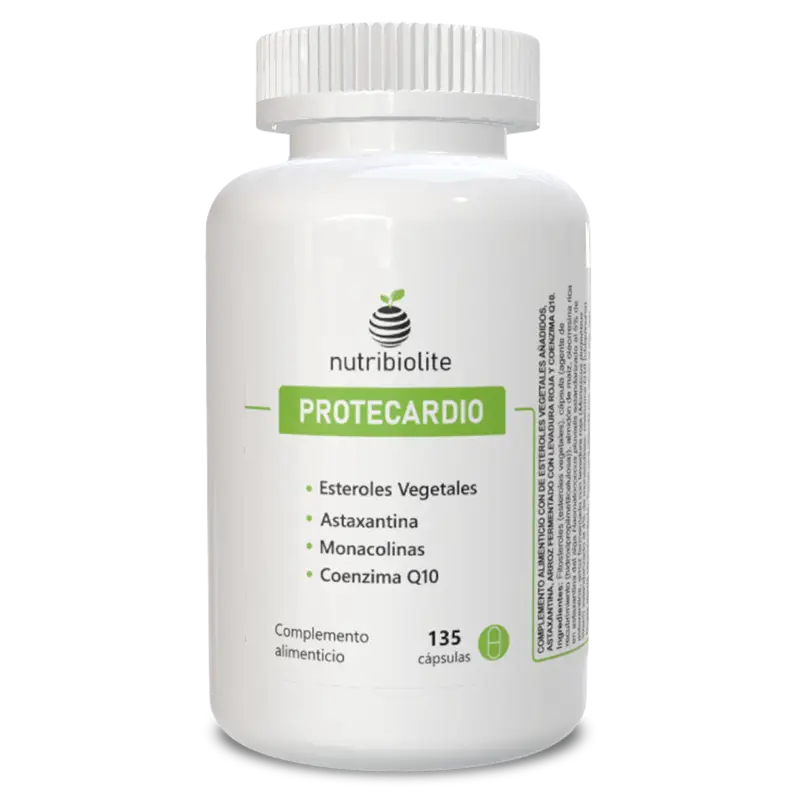
PROTECARDIO combines plant sterols and astaxanthin to support cholesterol balance and the cardiometabolic environment in adults.
Final summary of the study and role of daily habits
In summary, the trial with calanus oil in people with obesity and insulin resistance showed that a combination of marine nutrients, including plant sterols and astaxanthin, can contribute to better glucose regulation, especially in early stages of metabolic dysregulation and when accompanied by lifestyle changes.
For everyday life, the priority remains a diet based on fresh food, regular movement and abdominal weight control. On this basis, supplements such as PROTECARDIO can offer additional support at the physiological level in the management of cholesterol and the cardiometabolic environment.
This content is for information only and is not a substitute for the advice of a healthcare professional.
Frequently asked questions
What is the relationship between insulin resistance and cardiovascular health?
Insulin resistance is associated with increased visceral fat, elevated triglycerides and changes in cholesterol. This metabolic environment increases the burden on the cardiovascular system and is associated with increased risk of long-term events if not corrected with healthy habits.
Why did the study focus on people with mild to moderate insulin resistance?
The analysis showed that improvements in the HOMA index were clearest in those with mild insulin resistance. In very advanced stages, metabolic dysregulation is greater and may require more intensive and prolonged interventions to achieve significant changes.
What role do plant sterols play in cholesterol control?
Plant sterols compete with cholesterol in the gut and reduce its absorption. This helps to decrease the amount of cholesterol that passes into the blood, which supports the maintenance of healthy levels when accompanied by a proper diet.
How can astaxanthin help the cardiometabolic environment?
Astaxanthin acts as an antioxidant and helps limit oxidative damage to lipids and tissues. Reduced oxidative stress is important for protecting blood vessel walls and maintaining a more favourable environment for cholesterol and glucose.
For whom can a supplement like PROTECARDIO make sense?
PROTECARDIO may suit adults who already take care of their diet and physical activity and want additional support for balancing cholesterol and the cardiometabolic environment. It is integrated as part of an overall health strategy, not as a substitute for daily habits.