





It happens when you least feel like it: a quiet plan, a nice evening and, the next day, that uncomfortable feeling that makes you look at the bathroom with suspicion. In networks they call it the “after-sex checklist” and, although it sounds like a trend, it makes sense because the urinary tract is sensitive to small changes in friction, hydration and habits.
The frustrating thing is that many people feel they are doing “business as usual”, yet the body responds with annoying signals. That’s why it pays to understand what’s going on in there with a little simple physiology, as well as building a routine that’s easy to maintain even in chaotic weeks.
Why cystitis comes back when it’s least convenient
Most typical episodes start with something very specific: certain bacteria from the intestinal environment, especially E. coli, find a way in and “latch on” to the urinary wall. This grip is very important because, when the adhesion is strong, the simple passage of urine does not always wash everything away easily, and then the mucosa is irritated before you have time to react.
Moreover, after sex, sport or long days without enough to drink, the picture changes quickly: there is more friction, less natural “flushing” by the urinary flow and sometimes less rest. In fact, you don’t need a big trigger to notice the difference, because the bladder and urethra respond to micro-irritations that build up.
However, the practical goal is usually the same in all cases: to reduce opportunities for bacterial adhesion and promote a friendlier urinary environment. That’s why basic habits like urinating after intercourse and maintaining consistent hydration work so well, even if there are still seasons when you want extra help to fit in with that approach.
On the other hand, when you only remember urinary care “after the fact”, you’re too late for your sense of comfort, even if you’re still doing the right things. At the same time, if you live in fear that it will come back, your body becomes vigilant and that stress doesn’t help you feel good about your daily routine either.
How to armour your urinary routine on a day-to-day basis
Start with the boring stuff that holds up the most: water spread throughout the day, real bathroom breaks and clothes that don’t pinch when you’re sitting for long hours. Also, if your episodes are often associated with sex, that checklist makes sense because it changes the context, and little things add up to more than they seem to.
Then comes the smart part: supporting the urinary mucosa with ingredients known to be a physiological fit. Cranberry stands out because its proanthocyanidins are associated with a reduced ability of certain bacteria to adhere to the walls of the urinary tract, and that idea is useful when your goal is prevention and maintenance. Hibiscus, because of its profile traditionally used in urinary wellness, accompanies the approach of feeling light and regular in everyday life.
That’s why Uritractin fits as a logical step when you want to sustain urinary care on a consistent basis, without complicating yourself with impossible routines. Three concrete micro-benefits that many people value when integrating it into their day, along with basic habits, are these: a more stable feeling of comfort in the urinary tract, an easier routine to maintain in busy work weeks and travel, and greater peace of mind from having a well thought-out daily “plan”.
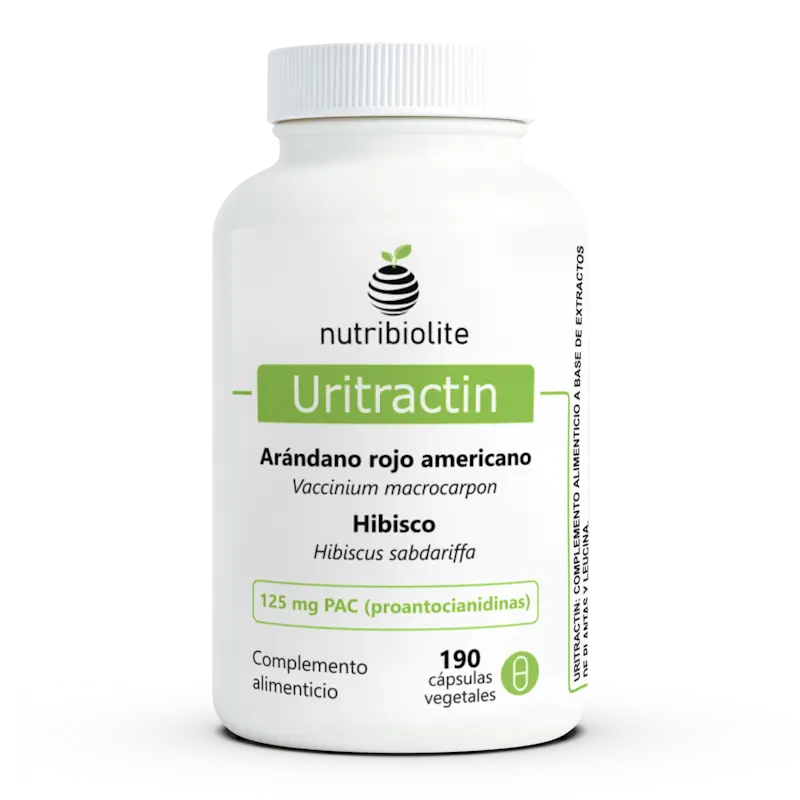
Daily urinary comfort, with cranberry and hibiscus, to feel light and confident.
Typical questions, clear answers
Does this replace an antibiotic if I have an infection?
If you have fever, severe pain, blood in urine or worsening symptoms, it is wise to consult a healthcare professional, because a supplement is not intended to treat an active infection. Uritractin is aimed at the maintenance and daily care of urinary wellness, especially when your goal is to prevent relapse and feel more in control of your routine.
Does it work if I have recurrent post-sex cystitis?
In this context, the strategy usually focuses on reducing opportunities for bacterial adhesion and mucosal care, as well as supporting habits such as urinating afterwards and drinking water. Uritractin fits well as part of that consistency, because it relies on cranberry and hibiscus to support regular urinary comfort.
Is it only for women?
Although cystitis is more common in women due to anatomy, urinary wellness is also important for men, and the principles of hydration, urinary flow and mucosal care are still relevant. If your goal is maintenance, Uritractin is a practical option to integrate into a simple and sustained routine.
When does it make more sense to take it to notice it?
It works best when integrated consistently, because the logic of urinary care relies on repeated habits rather than isolated gestures. Moreover, in times of travel, stress or more frequent relationships, many people prioritise this continuity so as not to rely on “remembering late”.
What if I already drink a lot of water, does it do me any good?
Hydration is the basis and should be maintained, but some people are looking for additional support to reduce bacterial adhesion and maintain comfort. Uritractin adds that approach with cranberry and hibiscus, so it becomes the logical complement when you want to reinforce the routine without adding complication.
The prudent thing to do before taking it
This content is for information only and is not a substitute for medical advice. Also, do not exceed the recommended daily dose and remember that food supplements do not replace a balanced diet and a healthy lifestyle.
If you are pregnant, breastfeeding, taking medication or have a medical condition, consult a healthcare professional before using Uritractin, because safety always comes first. And if you have severe or persistent symptoms consistent with urinary tract infection, seek clinical assessment for proper diagnosis and management.