



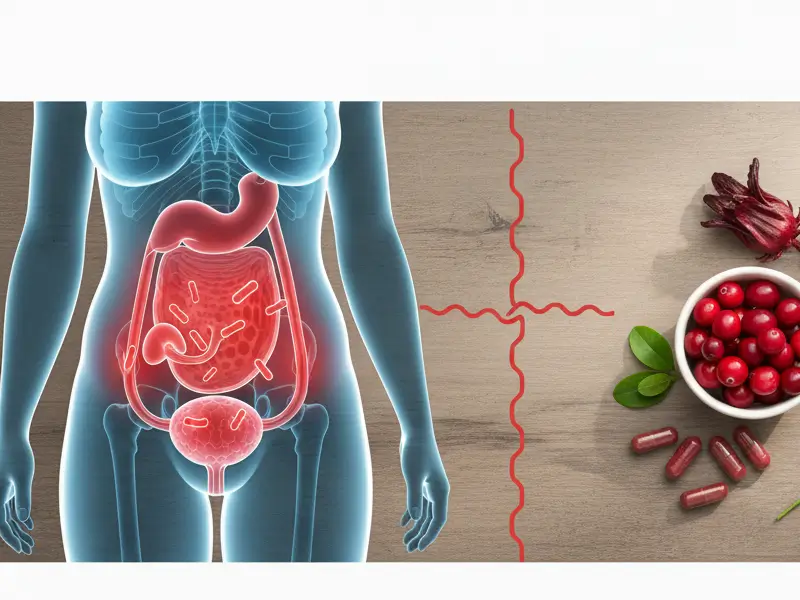

It happens when you least need it: a dull discomfort, more visits to the toilet than usual and that feeling that your bladder is “on guard”. It’s frustrating, because sometimes you do everything right and you still feel the warning again.
There is increasing talk on the internet about recurrent cystitis and “post-coital cystitis”, and it makes sense, because the problem is not always hygiene or luck. In fact, it’s often a combination of anatomy, irregular hydration and a key detail that hardly anyone explains, how certain bacteria “cling” to the urinary tract.
Why does the bladder get irritated so quickly?
In many urinary complaints, the critical point is adhesion: certain bacteria, especially E. coli, have structures that help them attach to the wall of the urinary tract because they are better able to resist the natural drag of urine. When this attachment becomes easy, the body reacts with local inflammation and urgency, itching or discomfort.
However, the system has simple and very physical defences, a good urine flow and a less favourable environment for such “adhesion”. This is why constant hydration is more important than last-minute water binges, and it is also important to take care after intense exercise, long journeys or sexual intercourse, when the bladder tends to be more sensitive.
At the same time, excessive dietary irritants, sustained stress and poor sleep often worsen the perception of discomfort, because they increase the reactivity of the nervous system and make everything “noisier”. On the other hand, when you support the ground, the daily experience changes, less mental alertness and more sense of normality.
How to break the cycle without living on alert
If the bottleneck is in grip and irritation, the smart strategy is to support two things at once, reducing the ease of “grip” and supporting everyday comfort. That’s why Uritractin fits so well into urinary wellness routines, because it combines cranberry, known for its proanthocyanidins, with hibiscus, traditionally used in herbal teas for its herbal profile and role in comfort.
The idea is simple and very practical: cranberry is associated with less bacterial adherence to urinary walls, and hibiscus adds a botanical support that many people integrate at sensitive times. Plus, when you do it consistently, the desired result is less “toileting” and more of a sense of a stable routine, without dramatising every signal.
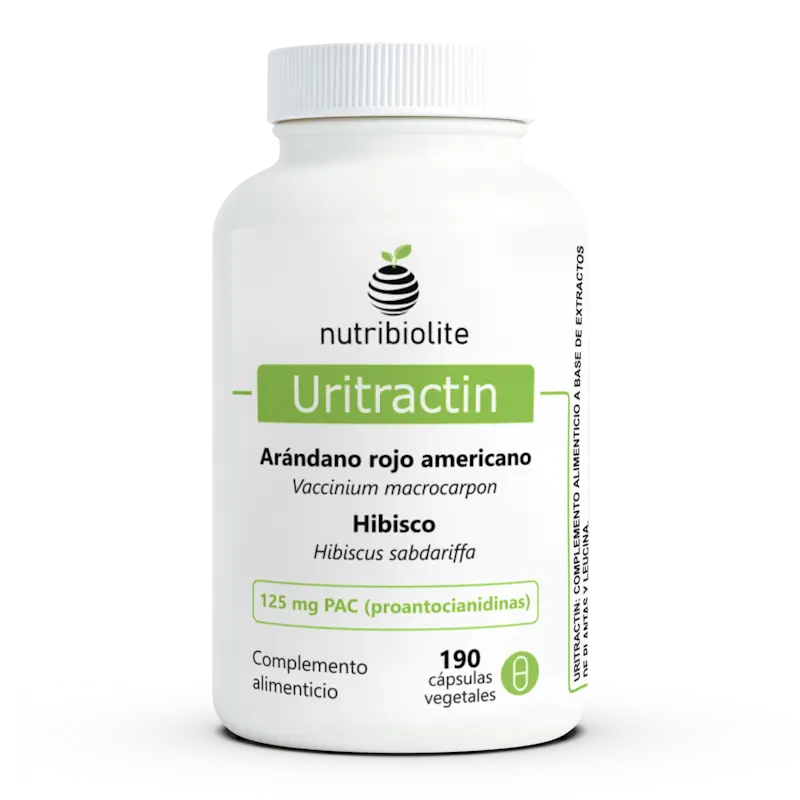
Daily support for a calmer urinary well-being, especially at sensitive times.
Three concrete micro-benefits that are usually noticed in the routine, because here the important thing is the day-to-day and not the theory: 1) more feeling of “controlled ground” after typically delicate periods, such as trips or weeks of stress; 2) a more comfortable experience when maintaining hydration habits, as you accompany the natural flushing objective; 3) less obsession with small signs, which is why many people integrate it as part of their constant care ritual.
Still, nothing competes with the basics: urinating without over-holding, drinking water spread throughout the day, and adjusting irritants if they trigger symptoms. However, when those pieces are in place and you add physiologically logical support, the feeling of control is usually different.
Typical questions, clear answers
I’ve tried cranberry before and didn’t notice anything, so why would this approach make sense?
Because it’s all about consistency and context: cranberry is used on a routine basis, not as a “fire extinguisher” on the same day. Moreover, if you hydrate poorly, hold your urine or chain irritants, the ground is still loaded and the perception of improvement becomes more difficult.
Is it only for women or also for men?
Urinary well-being is relevant for both, even if the discomfort is more frequent in women because of their anatomy. That is why many couples understand it as a preventive support for habits, especially when there are repeated episodes or sensitivity at certain stages.
If I am on antibiotics, can I take them at the same time?
In fact, in situations with medical treatment, it is advisable to be prudent and coordinate it, because each case is different and clinical indications must be prioritised. Uritractin is intended as a wellness supplement, so it is wise to confirm this with your pharmacist or doctor if you are on a full course of treatment.
Is it a good idea to take it before or after sex?
Many people take it during periods when they tend to feel more sensitive, and they also take care of the basics: hydration, urinating afterwards and avoiding waiting too long. For this reason, rather than a “one-off”, it tends to fit better as a sustained support at specific times.
What if I have severe discomfort or fever?
Then it’s time to switch to health mode, because fever, severe back pain, blood in the urine or general malaise require medical assessment. Uritractin supports urinary well-being, but does not replace a diagnosis when there are warning signs.
A note of caution before use
This content is informative and does not replace the advice of a healthcare professional. Food supplements should not be used as a substitute for a balanced diet and a healthy lifestyle, and the recommended daily dose should not be exceeded.
If you are pregnant, breastfeeding, have an illness, are taking medication or have severe or persistent symptoms, consult your doctor or pharmacist before starting. Also, if you develop warning signs such as fever, lower back pain or blood in your urine, seek medical attention without delay.