





You hydrate, change quickly after the gym, even wear cotton underwear, and still there are days when your bladder feels “touchy”. That mix of urgency, discomfort and constant attention to the toilet wears you down, because it robs you of focus in meetings, trips or simple plans.
The networks are calling it UTI-core, this modern obsession with “armouring” the urinary tract with routines, teas and tricks that come and go. It makes sense, because the urinary tract is a delicate surface that reacts to friction, low water and environmental changes; however, the key is often less about accumulating hacks and more about understanding what’s going on in there.
When you look at it with basic physiology, it all fits: the real goal is a calm bladder and normal flow, so what you do each day matters as much as what you do after a “trigger”. Also, if your history includes repeated episodes, the body becomes more reactive and any small signal feels huge, yet a sensible and consistent routine can be worked out.
Why the bladder gets irritated without warning
The bladder and urethra are lined by a mucosa that acts as a barrier, and that barrier is exposed to very everyday changes: holding urine, dehydration from coffee or heat, or friction after sex. At the same time, the area is close to the gut, so some opportunistic bacteria, especially E. coli, may try to “latch on” to the urothelium when they find the time.
This clinging is not magic or bad luck, it is adhesion, a kind of biological Velcro that allows bacteria to stay and bother longer. In fact, when adhesion is low, the drag of urination itself plays in your favour, whereas if adhesion is high, the stinging sensation or urgency becomes more persistent and makes you feel that something has not been “cleaned”.
On top of that, local irritation can be amplified by mild inflammation and constant attention to the signal, because the brain interprets any stimulus as a threat. And then the loop appears: you worry, you tighten habits, you sleep worse, and the sensation is perceived as even more intense even if the initial trigger was small.
How to shield your routine when things get complicated
Start with the basics, which are usually the most effective: water spread throughout the day, urination without eternal delays and gentle hygiene without harsh perfumes. If there is a typical factor in your case, such as sex, sport or long journeys, you should anticipate with specific habits, because the time of friction or dehydration is when the mucosa is most vulnerable.
In this logic, cranberry stands out for a very practical detail: its proanthocyanidins are associated with a reduced capacity for bacterial adhesion to the urinary wall, which is why it is so widely used in urinary wellness routines. Hibiscus, moreover, goes with plant compounds traditionally valued in infusions for urinary tract comfort, and together they fit into an approach that seeks less “drama” and more regularity.
That’s where Uritractin makes sense as a smart choice, because it concentrates cranberry and hibiscus in a formula designed to accompany your day-to-day life without turning your life into a never-ending protocol.
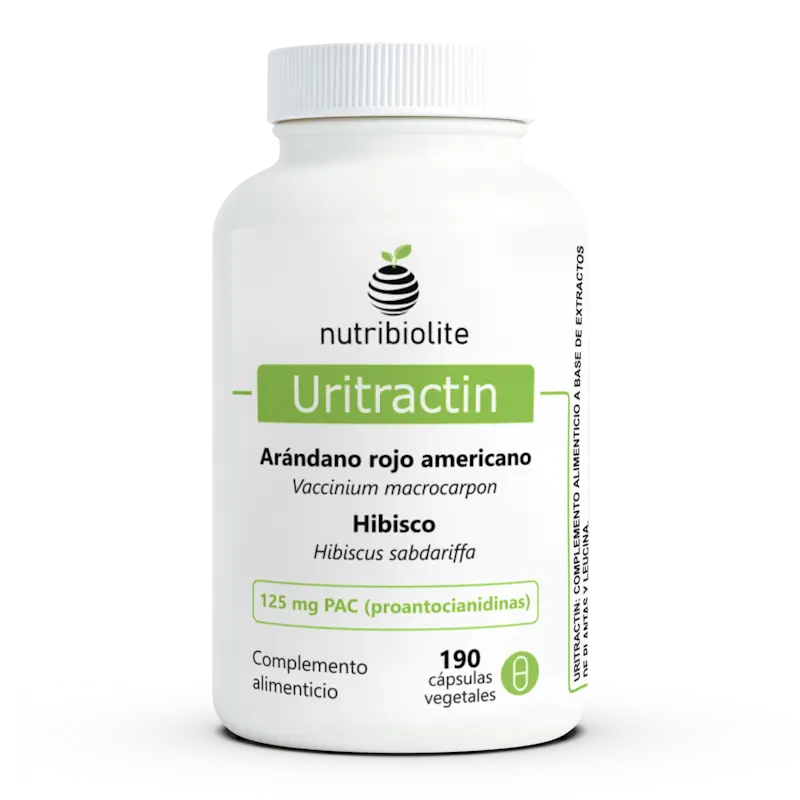
A daily routine to make your urinary well-being feel more stable and predictable.
If you want to break it down into small but real benefits, here are three micro-results that are often noticed when the approach is consistent and coherent with hydration habits. First, it supports a less favourable environment for certain bacteria to “grab” easily, which fits with cranberry’s role in urinary wellness. Second, it supports that less reactive bladder feeling in weeks of stress, heat or coffee, as well as reminding you of the importance of water as part of the plan. Third, it helps regain confidence on days of typical friction, such as long journeys, intense workouts or after relationships, when many people feel that any signal is amplified.
Typical questions, clear answers
If I already have a bad infection, does it help?
If there is fever, severe pain, blood in the urine or general malaise, it is wise to consult a professional, because a supplement is no substitute for a medical approach and diagnosis matters.
Why not just drink cranberry juice?
Juice usually contains sugar, varies greatly in concentration and sometimes irritates due to acidity, whereas an extract aims to provide a more consistent and easier-to-integrate intake.
When does it make the most sense to take it?
It works best as a daily routine in “sensitive” times, and also around your typical triggers, because the consistency helps the focus to be really stable.
Can men use it too?
Yes, urinary wellness is not just for women, and a cranberry and hibiscus routine can fit the bill if you’re looking for comfort and consistency without complication.
I’m taking medication or I’m pregnant, what should I do?
In these cases, it’s a good idea to ask your doctor or pharmacist first, as this ensures compatibility and gives you peace of mind with a personalised recommendation.
A note of caution before use
This content is for information only and is not a substitute for medical advice. Food supplements should not be used as a substitute for a balanced diet and a healthy lifestyle, and it is important not to exceed the recommended daily dose.