





A study in EClinicalMedicine in 2025 compared different oral supplements in more than 100,000 adults and analysed which ones were associated with fewer respiratory infections and more bearable symptoms. The authors evaluated vitamins, minerals, flavonoids and probiotics.
The work showed that some nutrients, including vitamin C and zinc, were among the strategies that worked best when tested in conjunction with other nutritional supports. This reinforces the idea that the immune system needs a constant supply of specific micronutrients to respond well to respiratory viruses.
Study compares supplements and their effect on respiratory infections
The researchers conducted a systematic review with network meta-analysis. They collected 107 randomised clinical trials involving 101,751 healthy adults or adults at general risk of respiratory infections.
They looked at oral supplements such as vitamin C in various doses, vitamin D, vitamin E, zinc, flavonoids, probiotics and combinations. They assessed how many respiratory infections occurred, how long the symptoms lasted and how severe they were, as well as the safety of each intervention.
The results placed certain flavonoids and probiotics among the most effective strategies for reducing the number of infections. Vitamin C in moderate doses was useful in shortening the duration of symptoms in some groups, and zinc was associated with benefits in certain analyses, although with less robust evidence.
Importantly for everyday life, none of the supplements studied increased adverse effects versus placebo. This suggests that, used judiciously, nutritional supports can be safely integrated into defence care strategies.
Vitamin C and zinc support the first line of immune defence
Vitamin C is involved in the protection of physical barriers, such as the respiratory mucosa. It promotes the production of collagen, which maintains the structure of the skin and respiratory tract, and acts as an antioxidant that neutralises free radicals during the immune response.
Zinc is involved in the maturation and function of lymphocytes and other defensive cells. It is also involved in the stability of cell membranes and the activity of antioxidant enzymes. When it is lacking, the response to viruses and bacteria becomes slower and less coordinated.
The study in adults indicates that when the body receives an adequate supply of micronutrients, the duration and intensity of respiratory episodes may be more manageable. Vitamin C in moderate doses showed an intermediate effect in shortening symptom days, which is relevant when infections recur seasonally.
In summary, the combination of antioxidants such as vitamin C and regulatory minerals such as zinc supports an immunity that responds quickly and recovers better after each infectious challenge.
Daily habits that strengthen respiratory defences
The basis of effective defences remains lifestyle. A diet rich in fruit, vegetables, pulses, nuts and fish provides vitamin C, zinc and other micronutrients that the immune system needs to function.
Sufficient rest, at least seven hours of stable sleep, allows the immune system to repair itself. Regular moderate exercise improves the circulation of defence cells, while sedentary lifestyles and isolated spells of exertion add stress to the body.
Smoking and excessive alcohol directly damage the respiratory mucosa and deplete antioxidants such as vitamin C. Reducing their consumption frees up internal resources to respond better to seasonal viruses.
Even with good habits, modern life makes it difficult to maintain an optimal daily intake of vitamin C and zinc. Long days, fast food and sustained stress make the margin between what the body needs and what it gets very narrow.
How Nutribiolite Vitamin C and Zinc fits into this context
The study in adults confirms that micronutrients play a key role in the response to respiratory infections. These include vitamin C and zinc, which are involved in barrier protection, control of oxidative stress and coordination of immune cells.
Nutribiolite Vitamin C and Zinc is intended as a daily support for those who already take care of their diet, but know that their pace of life makes it difficult to always achieve adequate amounts of these nutrients. The combination in a single supplement facilitates consistency, which clinical trials have identified as a key determinant of benefit.
While the study looks at vitamin C and zinc as part of broader nutritional strategies, a specific product that brings together both elements ensures a stable intake. This supports physiological processes such as protection against oxidative damage and maintenance of normal immune system function.
It is intended for adults who wish to strengthen their respiratory defences with a practical approach, aligned with the evidence that associates better nutritional status with shorter episodes and more bearable symptoms.
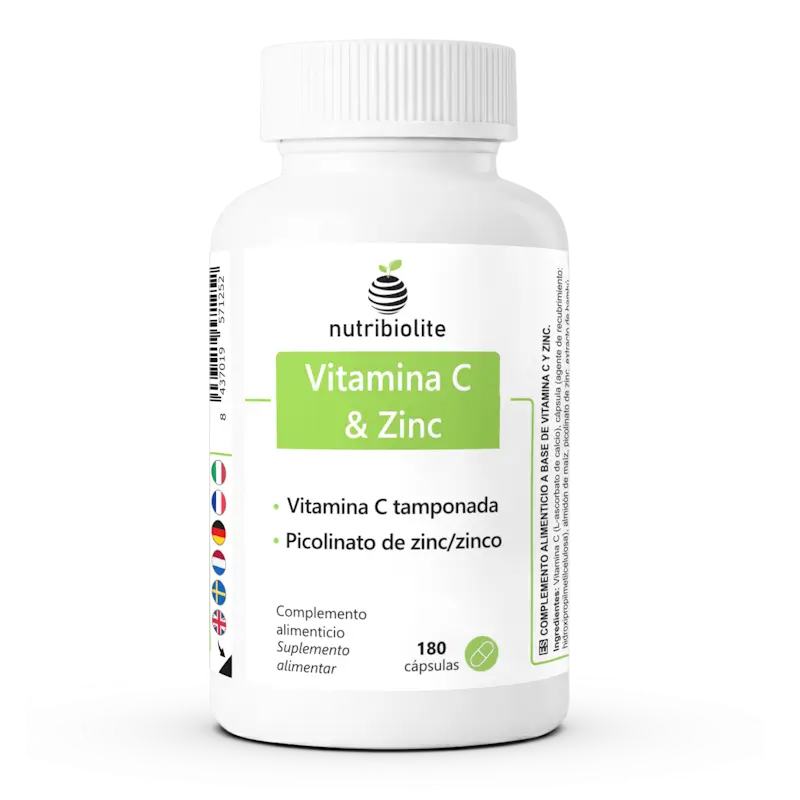
Supplement with vitamin C and zinc for adults who want daily support for their defences and oxidative balance.
Final summary of the study and role of habits
The review in EClinicalMedicine shows that nutritional supplements, including vitamin C and zinc, are part of a range of strategies that can reduce the impact of respiratory infections in adults.
The core message is clear, a well-nourished immune system is more responsive, and that foundation is built with food, rest, movement and, when daily life gets busy, nutritional supports designed to provide precision and consistency.
This content is informative and is not a substitute for the advice of a healthcare professional.
Frequently asked questions
What does the EClinicalMedicine study on supplements and defence provide?
The study compares different oral supplements in adults and shows that some, including vitamin C and zinc, are integrated into effective strategies to reduce the burden of respiratory infections and the duration of symptoms as part of a healthy lifestyle.
The role of vitamin C and zinc in respiratory defences
Vitamin C acts as an antioxidant and supports mucosal integrity. Zinc is involved in the maturation and function of immune cells. Together they support a more coordinated response to respiratory viruses and bacteria.
Can food supply all the vitamin C and zinc I need?
A varied diet can provide adequate amounts, but the pace of life with stress, fast food and seasons of increased exposure to viruses makes it difficult to maintain optimal intake every day. In these cases, a supplement makes it easier to be consistent.
For whom does it make sense to use a vitamin C and zinc supplement?
For adults who already take care of their diet and physical activity, but want extra support in times of increased infectious load, frequent travel or prolonged stress, when defences are more frequently put to the test.
How Nutribiolite Vitamin C and Zinc fits with the study findings
The study supports the value of micronutrients in the prevention and management of respiratory infections. Nutribiolite Vitamin C & Zinc offers these two key elements in a concentrated, easy-to-take format as part of a daily immune care routine.