





You go to bed with the feeling of having completed the day, but your body keeps sending strange signals. An eyelid that twitches, a leg that stiffens just when you finally relax, a thick fatigue that appears in the morning even though you’ve slept enough hours. It’s an uncomfortable mix, because it seems small, yet it ends up affecting your rest, your mood and the energy with which you start everything.
A lot of people put it down to stress, age or a bad night in isolation. And yes, those factors do count, but there is also a much more specific physiological explanation. When the neuromuscular system and energy metabolism don’t have the right resources, the body stops making smooth transitions. That’s why you feel tension where there should be relaxation, and fatigue where you expected a response.
When the muscle fails to relax properly
Muscle contraction and relaxation do not happen by magic, because they depend on electrical signals, minerals and vitamins working together. Magnesium is involved in that fine regulation of nerve impulse and muscle tone, while vitamins such as B6, B12 and folate contribute to normal nervous system function and energy-supporting metabolism. If that base falls even moderately short, very typical sensations occur: tightness, cramps, heavier fatigue and that feeling that the body is taking too long to recover.
Vitamin D3 also comes into play, especially when it comes to muscle function, bone and immune response. In fact, many modern routines add too little sunshine, too much intermittent sedentary lifestyle and seasons of high mental workload, so the perfect breeding ground for lows exists more often than it seems. At the same time, if you spend hours sitting, train irregularly or sleep with accumulated tension, the imbalance is more noticeable. There is no need to dramatise it, but it is important to understand it well in order to act logically.
This is the important point. When there are missing pieces that intervene in energy, muscle function and the nervous system, the body compensates as best it can, but it compensates worse. And that worse compensation translates into very concrete details, less ease at the end of the day, more stiffness when you get up and a feeling of wear and tear that is hard to shake off even after coffee.
What does make sense in your routine
Once you understand that chain, the next step is no longer improvised. If the real problem lies in the combination of muscle function, nervous system and energy metabolism, it makes sense to support all three fronts with a formula that brings them together in a practical way. This is where Mag-fusion fits in, because it combines magnesium with vitamins D3, B6, B12 and folate B9 in a format designed to accompany periods of fatigue, muscle tightness and daily wear and tear.
Its micro-benefits are easy to ground in real life. First, it helps support a more stable muscle response at the end of the day, especially valuable if you notice tight legs or night cramps. It also contributes to normal energy metabolism, which is why many people appreciate a lighter feeling day when fatigue has been creeping in. And it also supports the normal functioning of the nervous system, a useful detail when the body seems to become over-activated even at times when it should already be slacking off.
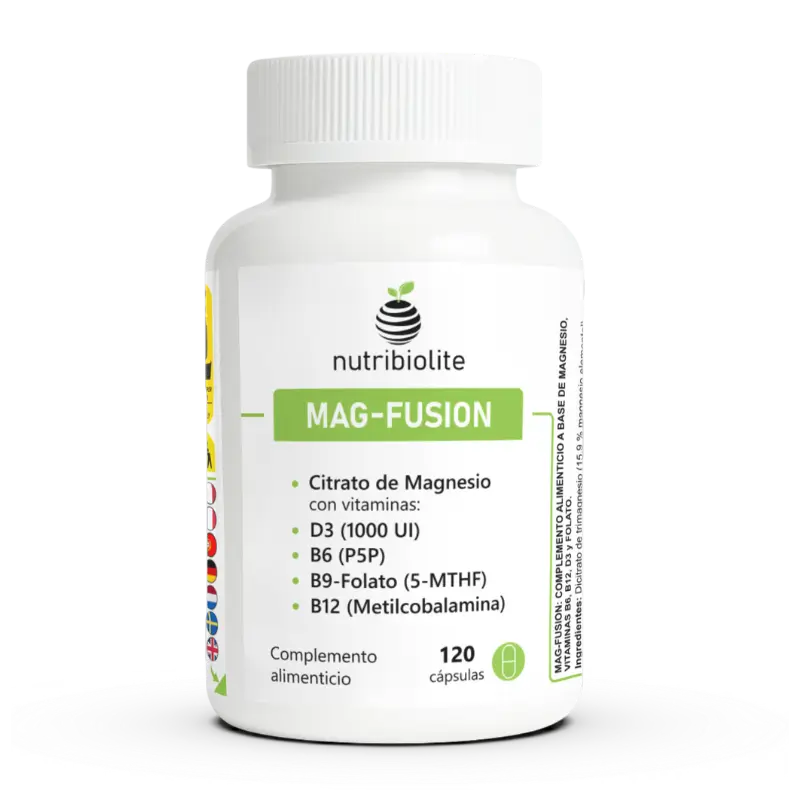
Complete support for muscles, energy and nervous system when fatigue no longer seems casual.
Plus, it makes sense to use it as part of a simple strategy – sufficient hydration, some daily movement, reasonable rest and consistent intake. Still, the value of a well-thought-out formula is that it reduces friction. Instead of relying on several single products, you concentrate nutrients that work on the same physiological story in a single gesture.
Typical questions and clear answers
Is it useful if I’m tired but don’t train much?
Yes, because tiredness does not always come from exercise. An intense mental routine, little rest, accumulated muscle tension and a nutritional base that can be improved also play a role.
What if my cramps only appear at night?
This is quite common, because when you relax you feel the residual tension in the muscle more. In addition, during the night the body stops compensating with movement and the discomfort becomes more evident.
Isn’t it enough to take magnesium alone?
Sometimes you are looking for a more complete formula, because vitamins related to energy, nerve function, muscles and bones also come into play here. Mag-fusion is therefore a more rounded option for this mixed picture.
Is it for older people or also for young adults?
It can fit in both cases. In fact, sustained fatigue, sedentary work, irregular training, and restless nights occur at any age.
When does it make the most sense to consider it?
When you notice recurring fatigue, a feeling of muscle overload, tightness at the end of the day or poor recovery, especially if this combination is repeated week after week.
Before taking it, you should know this
This content is for information only and does not replace the assessment of a health professional. Food supplements should not be used as a substitute for a balanced diet and a healthy lifestyle. In addition, you should adhere to the recommended daily dosage and consult a health professional if you are pregnant, breastfeeding, taking medication or have a diagnosed medical condition.