




In 2025, the study published in the *International Journal of Molecular Sciences* 2025 reviewed medicinal plants linked to gut health. The review did not focus on a single population. It highlighted fennel and ginger for their gut-related potential, providing a practical criterion for selecting digestive formulations.
The evidence brought together preclinical and clinical studies on the microbiota, inflammation, oxidation and antimicrobial activity. Its conclusions apply to the potential of the plants reviewed, within the contexts analysed. Further research is required to clarify mechanisms, dosages and safe applications.
*Medicinal Plants* highlighted pathways relevant to gut health
The article assessed the composition and properties of various traditionally used plants. The authors investigated their potential antioxidant, anti-inflammatory, antimicrobial and prebiotic-like effects.
A prebiotic effect promotes the activity of beneficial microorganisms through compounds that reach the gut. An antioxidant effect limits reactive molecules capable of damaging cells.
Antimicrobial activity can influence certain microorganisms. Taken together, these findings provide a scientific basis for investigating botanical applications aimed at promoting gut balance.
The microbiome metabolises nutrients and protects the intestinal barrier
The gut microbiome is the community of bacteria, viruses, fungi and other microorganisms in the digestive tract. These communities play a role in metabolism, immunity and neurological function.
Some bacteria ferment fibre and produce short-chain fatty acids. These molecules nourish the cells of the colon and support the gut barrier.
The barrier controls the passage of substances between the gut and the rest of the body. Plant compounds can influence the microbiota, oxidation and inflammatory signalling.
The review explains that a single ‘ideal’ composition does not define a healthy microbiome. Its stability, resilience and ability to recover are also important.
Fennel and ginger link the review to Digelit
The study included fennel and ginger amongst the plants analysed for their support of gut health. Fennel corresponds to Foeniculum vulgare and ginger to Zingiber officinale.
Digelit uses these same species in the form of concentrated seed and root extracts. The authors reviewed plant compounds associated with antioxidant, anti-inflammatory, antimicrobial and prebiotic effects.
These mechanisms may contribute to the environment in which the gut microbiota and the intestinal barrier function. The review did not establish a single clinical dose for fennel or ginger.
Its value lies in bringing together mechanisms and available evidence to guide future research. This link provides a specific basis for assessing the botanical composition of Digelit.
Nutribiolite Digelit combines specific extracts and enzymes
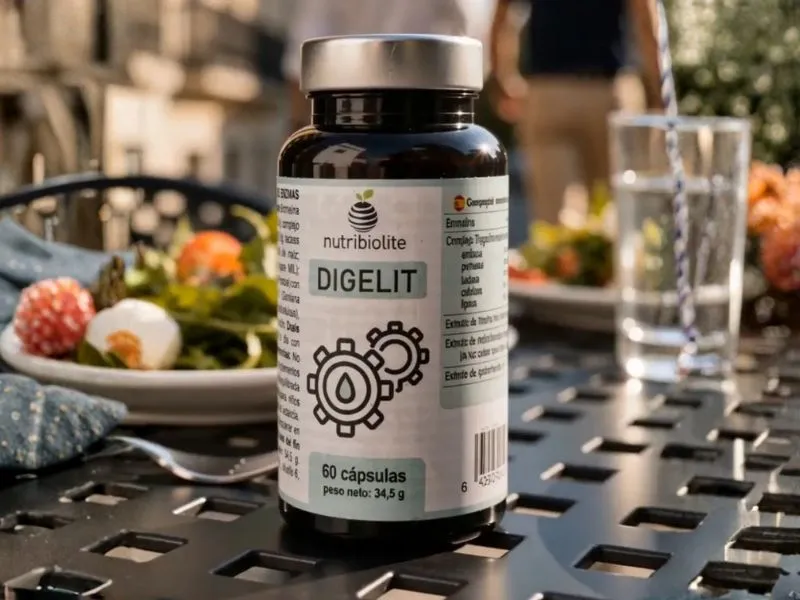
Digelit is a food supplement containing digestive enzymes and plant extracts. The recommended daily dose provides 200 milligrams of DigeZyme® and 200 milligrams of bromelain.
DigeZyme® combines amylase, protease, lactase, cellulase and lipase. These enzymes help to break down carbohydrates, proteins, lactose, plant fibres and fats.
Bromelain is derived from the pineapple stem and aids in the breakdown of proteins. DigeZyme® is obtained through natural fermentation and uses non-animal sources.
Fennel is supplied as a dry seed extract with a concentration of four to one. Ginger is supplied as a dry root extract with a concentration of ten to one and five per cent gingerols.
The formula includes a dry gentian root extract with a five-to-one concentration. This plant is traditionally used to aid digestion and reduce a feeling of heaviness.
Digelit contains 60 vegetable capsules and is free from preservatives, gluten, lactose, added sugars and genetically modified organisms. It is also suitable for vegans and vegetarians.
The product is manufactured in Spain in accordance with European food safety standards. Each batch undergoes testing for purity, stability and the absence of contaminants.
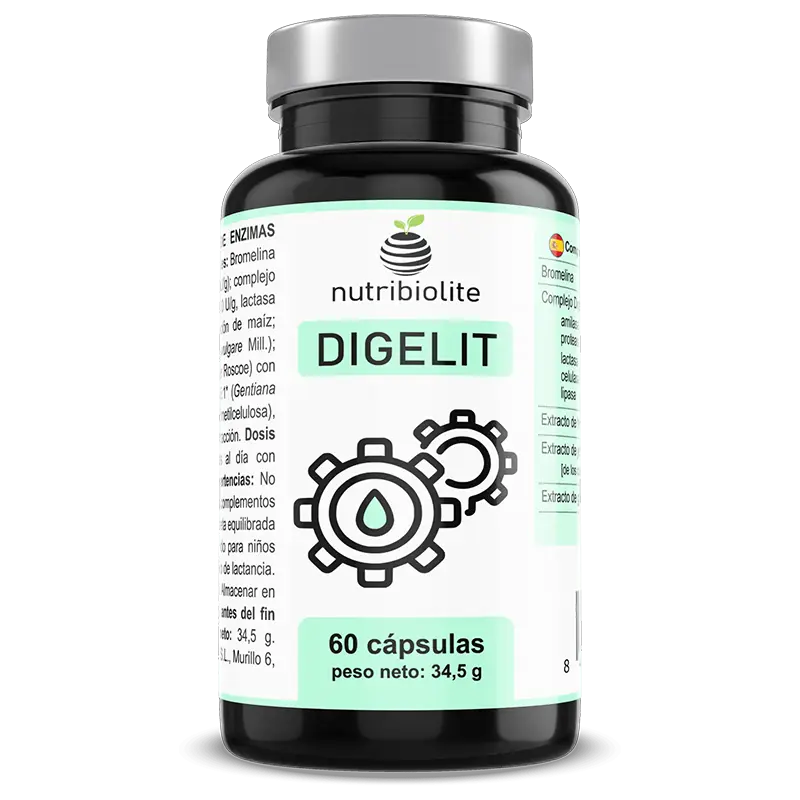
Digelit combines fennel and ginger – both of which were examined in the study – with DigeZyme®, bromelain and gentian to support digestive comfort.
These five answers clarify the evidence and the use of Digelit
What was the main finding of the study?
It concluded that the plants reviewed, including fennel and ginger, show potential for supporting the microbiome and gut health. The review did not provide a single clinical measure.
Which population took part in the research?
There was no single population. The article brought together pre-clinical and clinical evidence from different models, groups and contexts.
What mechanism links the plants to the gut?
Plants provide compounds capable of influencing microorganisms, oxidation, inflammation and prebiotic activity. These effects may support the gut microbiota and the intestinal barrier.
How does Digelit relate to the review?
Digelit contains extracts of Foeniculum vulgare and Zingiber officinale, two species included in the review. It also contains DigeZyme®, bromelain and gentian.
How is Digelit used and what precautions should be taken?
Take one capsule twice a day, with sufficient liquid, before each main meal. It is not recommended for children under 12, or for pregnant or breastfeeding women.
This content is for information purposes only and is not a substitute for advice from a healthcare professional.