




A study in Cureus 2024 describes the case of a 19-year-old woman with idiopathic intracranial hypertension and iron deficiency without anaemia. After iron correction and weight loss, her headaches and visual symptoms clearly improved. The work raises an idea relevant to everyday life – iron can influence brain function even before overt anaemia appears.
For young women, especially those who are overweight or have other factors such as polycystic ovary syndrome, this case is a reminder that iron deficiency is not always visible in haemoglobin levels. Low stores can already affect well-being, energy and, in some contexts, pressure inside the skull. So understanding how iron works and how to support it with daily habits is key.
What the case report on iron and intracranial pressure showed
The article describes a patient with idiopathic intracranial hypertension, a situation of elevated pressure inside the skull with no tumour or visible lesion. She presented with daily headaches, pulsatile ringing in one ear and brief episodes of blurred vision. MRI and lumbar puncture confirmed elevated cerebrospinal fluid pressure.
On blood tests, haemoglobin was normal, but iron stores were low, with reduced ferritin and transferrin saturation. The doctors administered an intravenous load of iron and then oral iron, and recommended weight loss. In about five weeks, the headaches improved markedly with no initial need for specific blood pressure-lowering medication.
The authors suggest that iron deficiency, even without anaemia, may promote changes in blood viscosity and oxygenation of brain tissues. This could hinder the absorption of cerebrospinal fluid and contribute to elevated intracranial pressure. Although this is a single case and does not prove causality, it reinforces the idea that iron should be studied in young women with this condition.
How iron influences the brain and energy sensation
Iron is involved in the manufacture of haemoglobin, the oxygen-carrying protein in blood. When iron stores are low, even before haemoglobin falls, oxygen delivery to tissues can be less efficient. The brain is especially sensitive to any changes in oxygen and blood flow.
In addition, iron is part of energy-producing enzymes in the mitochondria, the cellular structures that function as small power plants. If iron is in short supply, energy production suffers and tiredness, difficulty concentrating and a feeling of fatigue disproportionate to the effort may occur.
In the case described, the authors propose that iron deficiency may have increased blood viscosity and led to a less favourable environment for draining cerebrospinal fluid. Although this mechanism needs further study, it fits with previous observations in people with iron deficiency anaemia and elevated intracranial pressure. Iron correction thus becomes one piece of an approach that includes weight, medication and ophthalmological follow-up.
Daily habits that support a healthy iron status
Taking care of iron starts with your diet. Animal sources such as lean red meat, poultry and fish provide heme iron, which is more easily absorbed by the body. Legumes, nuts and green leafy vegetables provide non-heme iron, which is useful but less easily absorbed.
Combining iron-rich foods with vitamin C, for example pulses with peppers or citrus fruits, improves intestinal absorption. Conversely, drinking coffee, tea or dairy products too close to main meals can hinder iron uptake. Separating these drinks by one to two hours from iron-rich meals is a simple strategy.
In women with heavy periods, weight changes or diagnoses such as polycystic ovary syndrome, iron monitoring becomes especially important. The study suggests that even with normal haemoglobin there may be low iron stores that already affect well-being. In such cases, the combination of adjusted diet and, when deemed necessary, well-chosen iron supplements becomes a practical tool.
How does a highly bioavailable iron complex fit into this context?
The clinical case shows that, when iron deficiency is present without anaemia, a well-planned regimen of oral iron can accompany other lifestyle changes and be associated with an improvement in symptoms. The key is to provide iron in a form that is effectively tolerated and absorbed by the gut, and in a context that respects the body’s physiology.
In practice, practitioners often assess parameters such as ferritin and transferrin saturation to decide whether iron supplementation makes sense. When this approach is chosen, the aim is not to force the body, but to facilitate the recovery of adequate reserves and the smooth functioning of processes such as oxygen transport and energy production. The experience described in the study reinforces the importance of not overlooking iron deficiency that has not yet developed into overt anaemia.
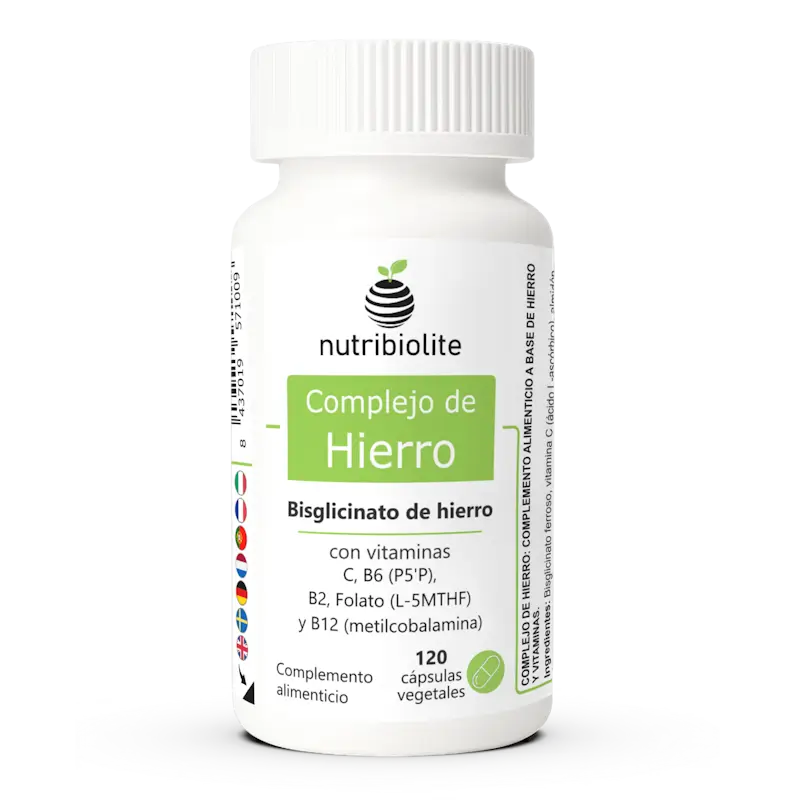
Iron supplementation with B vitamins and vitamin C, intended for adults who wish to support their iron and energy levels within a healthy lifestyle.
Final summary, iron, brains and informed choices
The case published in Cureus is a reminder that iron is not only important to prevent anaemia. In some young women, low iron stores can coexist with neurological symptoms and form part of a broader picture where weight, hormones and intracranial pressure are intertwined.
Taking care of diet, monitoring iron in blood tests when risk factors are present and, if appropriate, considering well-formulated iron supplementation are steps consistent with the available evidence. The aim is to support the body’s physiology, improve the sense of energy and reduce the likelihood that a silent deficiency will go undetected for years.
This content is informative and is not a substitute for the advice of a healthcare professional.
Frequently asked questions
Can iron deficiency occur without anaemia showing up in the blood test?
Yes, it is common for iron stores to be low while haemoglobin is still in the normal range. In this case, markers such as ferritin and transferrin saturation help to detect an incipient deficiency that can already influence energy and well-being.
What relationship does iron deficiency have with elevated intracranial pressure?
The case described in Cureus suggests that iron deficiency may promote changes in blood viscosity and cerebral oxygenation. This could, in some people, contribute to difficulties in draining cerebrospinal fluid and be associated with elevated intracranial pressure, although further study is needed.
In whom should iron status be monitored more closely?
In women with heavy menstruation, marked weight changes, diagnoses such as polycystic ovary syndrome or persistent symptoms of fatigue and headaches, checking iron stores can provide useful information. The study reinforces the idea of going beyond haemoglobin levels.
What role does diet play in maintaining adequate iron levels?
A diet with heme sources of iron, such as lean meats and fish, and non-heme sources, such as pulses and nuts, helps to meet iron needs. Combining these foods with vitamin C improves absorption, while coffee, tea or dairy products close to meals can reduce absorption.
Why the emphasis is on the quality and form of iron in supplements
Different forms of oral iron are absorbed and tolerated differently. Choosing a supplement with good bioavailability and without unnecessary additives makes it easier to achieve adequate stores with less digestive discomfort and better supports processes such as oxygen transport and energy production.