



A study in International journal of molecular sciences 2026 reviewed adult trials of astaxanthin. The review included 15 human studies published between 2020 and 2025. The central finding was clear, astaxanthin was associated with lower oxidative stress and inflammation.
This matters because modern metabolic fatigue has a biological basis. Stress, age, poor diet and sedentary lifestyles increase the daily oxidative load. The body needs active, constant and well-supported antioxidant defences.
The review followed PRISMA criteria and declared absence of external funding and conflicts of interest. The authors also noted important limitations. Optimal doses, more long-term data and better comparisons between formulations are lacking.
The review looked at astaxanthin in adults with high oxidative burden.
The researchers searched PubMed, Scopus and Web of Science for studies. They started with 805 records and ended with 15 human trials. Animal studies, laboratory and single reports were excluded.
They measured markers of inflammation, oxidation, metabolism and vascular function. In plain language, they assessed how the body’s internal defences responded. The changes were clearest in people with metabolic or inflammatory disorders.
In healthy or already highly trained adults, the margin of improvement was smaller. This fits with a practical idea. An already balanced body tends to show more discrete changes.
Astaxanthin activates cellular defences against daily wear and tear
Astaxanthin is a carotenoid found in microalgae and seafood. Its scientific interest comes from its affinity for fat-rich tissues. There it can interact with cell membranes exposed to oxidation.
The review describes two key pathways. The first is Nrf2, which activates its own antioxidant enzymes. The second is NF kappa B, a pathway linked to inflammatory signalling.
Translated into daily life, the body needs to shut down excess inflammation and boost oxidative scavenging. This coordination helps protect vessels, metabolism and recovery after exercise.
Daily habits reduce pressure on the antioxidant system.
Supplementation works best within a consistent routine. The basis remains a diet rich in vegetables, legumes, fruit, fish and quality fats. These foods provide compounds that support internal defences.
Regular movement also matters. Walking, gentle strength training and avoiding long hours of sitting improve metabolic sensitivity. They also help the endothelium, the inner layer of the vessels.
Rest and stress management complete the picture. Too little sleep and living with sustained stress raise inflammatory signals. That’s why consistency trumps single efforts.
PROTECARDIO from Nutribiolite accompanies a careful cardiometabolic routine.
The review shows that oxidative balance requires daily precision. Diet provides a valuable foundation, but sustaining it every day requires planning. Therein lies the gap between intention and consistency.
Nutribiolite’s PROTECARDIO fits as a nutritional support within an orderly cardiometabolic routine. Its role makes sense for adults who already take care of nutrition, movement and body weight.
This approach makes it easy to maintain a simple and repeatable pattern. The key is to accompany natural processes, without turning the supplement into a substitute for essential habits.
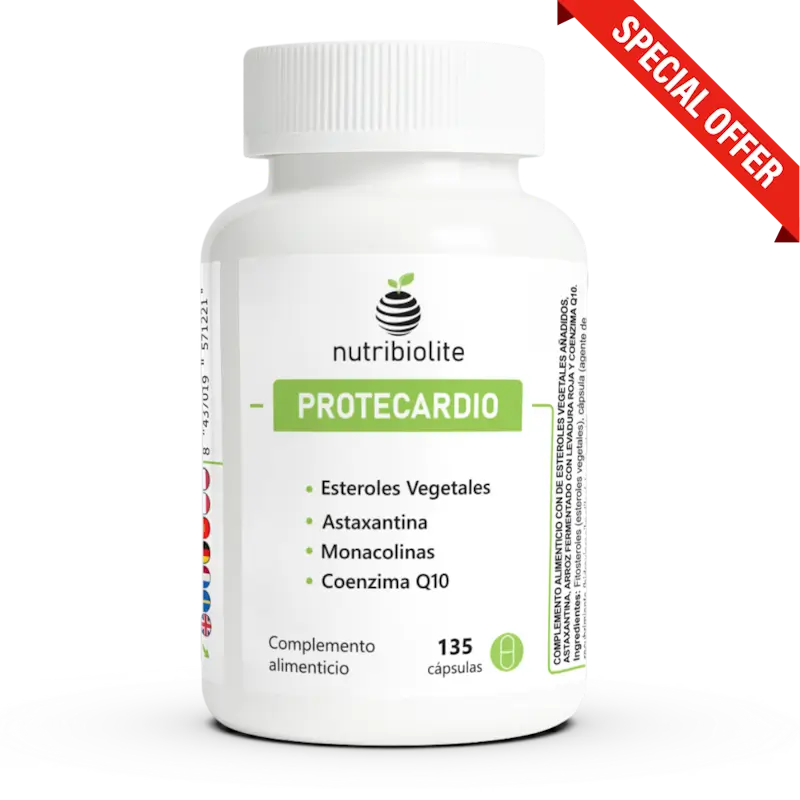
PROTECARDIO fits for adults who take care of their cardiovascular routine and are looking for constant nutritional support.
Evidence supports a strategy based on consistency
The review positions astaxanthin as an interesting compound for oxidative and inflammatory balance. Its effects appear to depend on the context, duration and formulation used.
For everyday life, the practical message is straightforward. The cardiovascular system needs less oxidative load and more constant support. Food, movement and rest remain the first line.
This content is informative and is not a substitute for the advice of a healthcare professional.
Frequently asked questions
What the review on astaxanthin in humans studied
Reviewed 15 adult trials published between 2020 and 2025. It looked at markers of oxidative stress, inflammation, metabolism and vascular function.
What oxidative stress means in everyday life
It means that the body produces more free radicals than it can neutralise. This increases pressure on vessels, metabolism and physical recovery.
For whom this evidence may be most relevant
The review found clearer signs in adults with higher metabolic or inflammatory burden. In already healthy and trained people, changes may be more discrete.
Which habits best support oxidative balance
A diet rich in vegetables, legumes, fish and quality fats helps. It is also important to move daily, sleep well and reduce sedentary lifestyles.
How PROTECARDIO fits into a cardiovascular routine
PROTECARDIO fits as a nutritional support for adults who already take care of their lifestyle. Its use makes more sense in conjunction with consistent habits.