


The study published in the *Asia Pacific Journal of Clinical Nutrition* in 2025 integrated evidence from cellular, animal and human studies. It included Alzheimer’s models, patients with Alzheimer’s and healthy older adults. It demonstrated preclinical effects and the prevention of cognitive decline in healthy older adults, drawing attention to compounds such as EGCG.
For healthy older adults, the review suggests potential cognitive benefits of a plant-based diet. In patients with Alzheimer’s disease, clinical studies showed that ALA prevented cognitive decline. Most other antioxidants produced conflicting clinical results.
The review brought together evidence from cellular, animal and human studies
The authors examined peer-reviewed original articles on ferroptosis and its role in Alzheimer’s disease. They also compiled preclinical and clinical studies on plant-based antioxidants.
The review covered cells, animals, healthy older adults and people with Alzheimer’s disease. This design made it possible to compare biological mechanisms with outcomes observed in humans.
Ferroptosis links iron, lipids and cellular damage
Ferroptosis is a form of programmed cell death driven by iron and lipid peroxidation. Lipid peroxidation is the oxidative degradation of fats present in cell membranes.
According to the review, this process plays a role in the pathology of Alzheimer’s disease. Brain phospholipids rich in DHA are particularly vulnerable to this oxidation.
Phospholipids are structural fats that form membranes around cells. Their vulnerability helps to explain the significance of oxidative damage in the brain.
EGCG stood out among the plant-based antioxidants studied
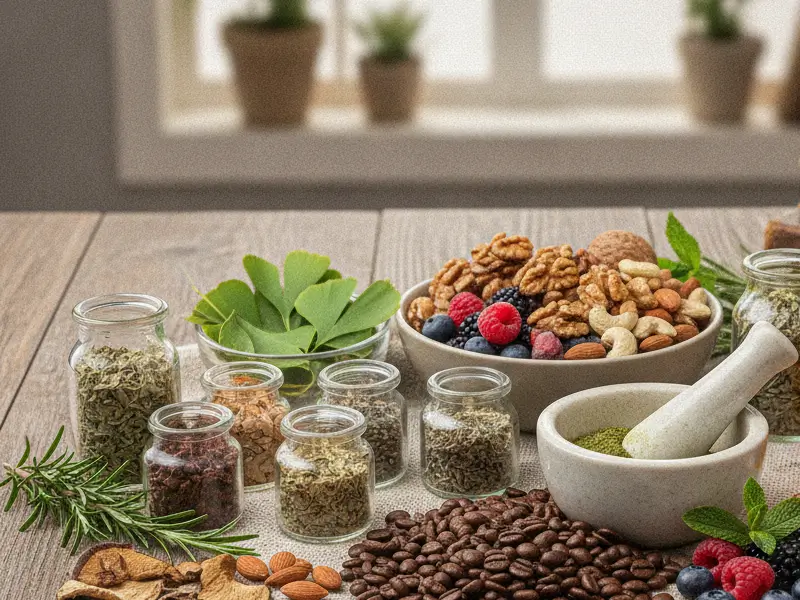
EGCG, or epigallocatechin gallate, was one of the plant-based antioxidants analysed. The list included vitamin E, resveratrol, curcumin, quercetin, baicalein and alpha-lipoic acid.
In preclinical models of Alzheimer’s disease, these compounds demonstrated anti-Alzheimer’s effects. The review also reported the prevention of cognitive decline in healthy older adults.
These findings describe different groups of antioxidants and different contexts. EGCG provides a specific dietary link to green tea extract.
The clinical evidence was mixed for the majority
The clinical evidence was contradictory for most antioxidants. Alpha-lipoic acid stood out for its ability to prevent cognitive decline in patients with Alzheimer’s disease.
The authors recommended further clinical studies to assess its therapeutic potential. The cellular and animal findings remain limited to those models.
The human results relate specifically to healthy older adults and patients with Alzheimer’s disease. The review did not establish a specific dose of EGCG.
Nutribiolite Minfire incorporates the EGCG reviewed in its formula
Minfire is a caffeine-free nootropic food supplement containing seven active ingredients. Its main link to the review is the EGCG present in its green tea extract.
This extract is standardised to contain 95% polyphenols, 80% catechins and 50% EGCG. Standardisation ensures a controlled and consistent composition of the extract.
Bacopa provides an extract standardised to 50% bacosides, which have been studied in relation to the cholinergic system and oxidative stress. Ginkgo provides 24% flavonoid glycosides and 6% terpene lactones.
Both plants have traditionally been valued for their role in cognitive function and memory. Lion’s mane uses a fruiting body standardised to 30% polysaccharides.
L-tyrosine is involved in the production of dopamine, noradrenaline and adrenaline. Choline L-bitartrate offers high bioavailability and provides a precursor to acetylcholine.
Acetylcholine plays a role in memory, learning and cognitive function. The 20% phosphatidylserine is derived from soya and is plant-based, pure and stable.
The formula is free from caffeine, preservatives, added sugars, gluten, lactose and genetically modified organisms. Its vegetable capsule and the absence of proprietary blends ensure a transparent choice.
It is designed to support focus, clarity, memory and mental performance as part of a healthy lifestyle. The recommended dosage is one capsule twice a day with meals.

Minfire contains green tea standardised to 50% EGCG, a well-researched dietary antioxidant, alongside Bacopa, Ginkgo and neuroactive nutrients.
Five answers explain the evidence and use of Minfire
What was the main finding of the 2025 review?
The review linked ferroptosis to Alzheimer’s disease. Plant-based antioxidants showed preclinical effects and prevented cognitive decline in healthy older adults. Most studies presented conflicting clinical results.
Which populations and models did the review include?
It included cellular research, animal models of Alzheimer’s disease, patients with Alzheimer’s disease and healthy older adults.
How does ferroptosis occur?
Ferroptosis is a form of programmed cell death driven by iron. It leads to lipid peroxidation, an oxidative degradation of membrane lipids.
How does Minfire relate to the study?
Minfire contains green tea extract standardised to 50% EGCG, one of the plant-based antioxidants included in the review. The formula also contains Bacopa, Ginkgo, lion’s mane, L-tyrosine, choline and plant-based phosphatidylserine.
How should Minfire be taken, and who should avoid it?
Take one capsule twice a day, with plenty of liquid and with a meal. It should not be taken by pregnant women, breastfeeding women or anyone under the age of 18. Avoid other products containing green tea on the same day and daily intakes of 800 mg or more of EGCG. Consult your doctor if you are taking anticoagulants or antiplatelet agents. It is not recommended for use with antidepressants or between meals.
This content is for information purposes only and is not a substitute for advice from a healthcare professional.