


You take more care of yourself than before, you buy olive oil, you look at the labels and you have even reduced those whims that you used to indulge in without thinking about it. However, the blood test comes back and the cholesterol is still there, too high for what you expected, as if your efforts were not getting to the right place.
This frustration is behind a trend that is increasingly appearing in consultations, podcasts and prevention conversations: looking beyond total cholesterol and talking about low-density lipoprotein (LDL), apolipoprotein B (ApoB) and particles circulating in the blood. It sounds technical, but the idea is simple, because cholesterol doesn’t just depend on what you eat, it also depends on how much you absorb, how much you make and how your body transports it.
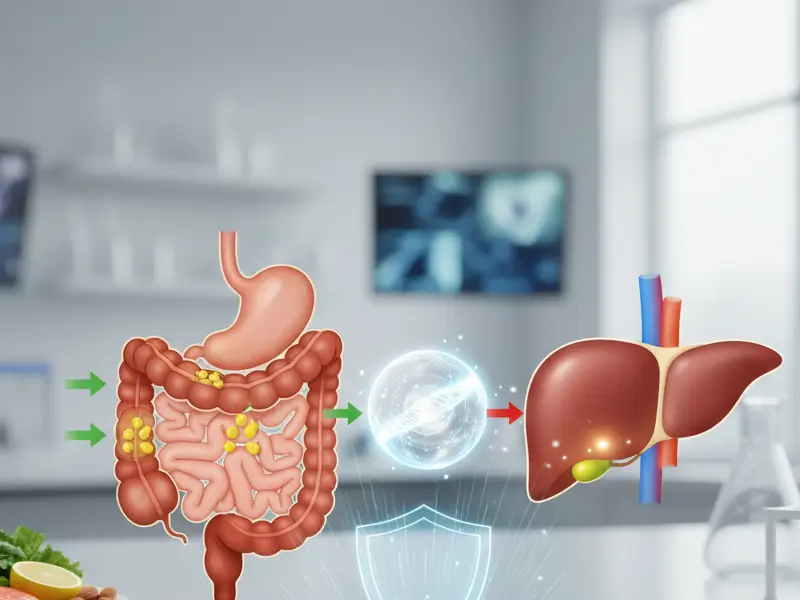
That’s why so many people are surprised when they eat reasonably well and yet their numbers don’t move as they expected. In fact, the liver and gut work like two taps running at the same time, and when both are pushing in the same direction, a proper diet can fall short.
Why cholesterol resists
Cholesterol enters through food, although a significant portion also travels into bile, which the body releases to digest fats and then recycles in the gut. In addition, the liver makes cholesterol every day because it needs it for cell membranes, hormones and bile salts, so the final balance depends on a constant trade-off between absorption, production and elimination.
When the gut absorbs more cholesterol than is appropriate, the load returning to the liver increases and the body has to package it into lipoproteins to move it through the blood. At the same time, if internal production remains active, more carrier particles are released, which is where the current interest in apolipoprotein B (ApoB) comes in, because every atherogenic particle carries ApoB as a structural tag.
In practice, many small particles circulating for a long time means more opportunities for contact with the arterial wall, especially if there is oxidative stress, sedentary lifestyle, excess visceral fat or a diet with too much ultra-processed food. In contrast, when you reduce intestinal input and accompany hepatic synthesis, the system receives a more coherent signal and the cardiometabolic routine starts to have a better direction.
Here’s the point that hardly anyone explains clearly: eating better helps, although some people need to act on both taps, the gut and the liver. This is why it makes sense to look for a formula that is not limited to a single pathway, but accompanies cholesterol balance on several physiological fronts.
Where best to support your routine
Protecardio fits right into this logical moment, because it combines plant sterols, red yeast rice standardised in monacolins and astaxanthin in a formula designed for cholesterol management within a serious routine. Plant sterols compete with cholesterol in the gut, red yeast rice supports the internal hepatic synthesis pathway and astaxanthin provides antioxidant support, as well as reinforcing daily cardiometabolic care.
Its three micro-benefits are very specific: it helps reduce intestinal cholesterol absorption, supports the balance of internal production and adds antioxidant protection against daily oxidative stress. Even so, its best context is still the basics that work: real food, soluble fibre, regular movement, and monitoring your blood tests judiciously.
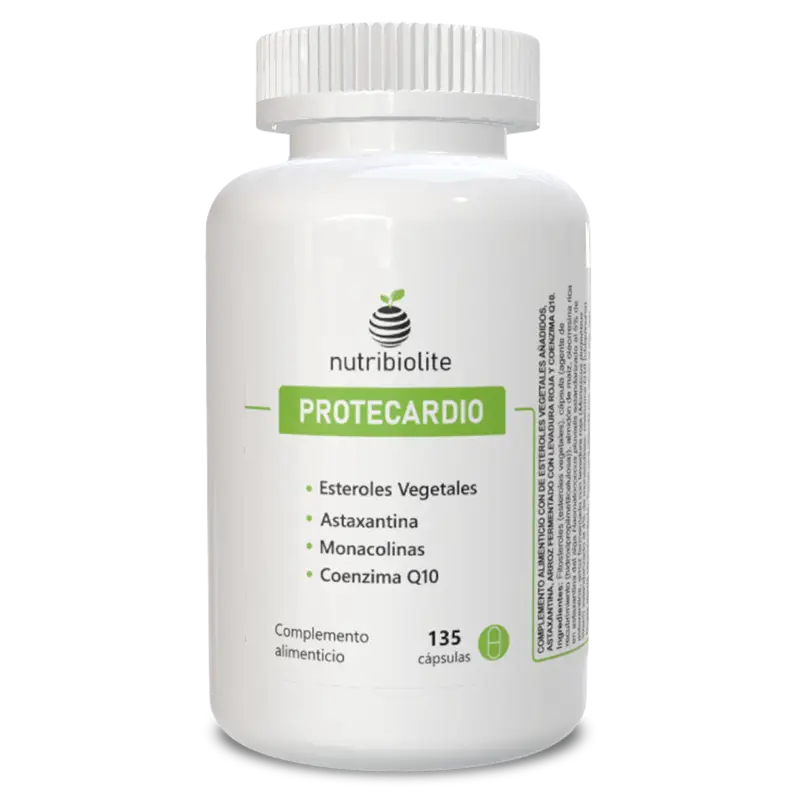
It works on both cholesterol taps, intestinal absorption and internal production, while reinforcing the oxidative balance of your cardiovascular routine.
Real questions before you buy
If I eat healthy, why would I need it?
Because your body also manufactures and recycles cholesterol, so a proper diet may need support when intestinal absorption or hepatic synthesis remains elevated.
Is Protecardio just red rice yeast?
No. It goes beyond a single ingredient, bringing together plant sterols, fermented red rice monacolins and astaxanthin to work from several complementary pathways.
When does it fit best into my routine?
It fits in especially well when a blood test shows high cholesterol and you are ready to order food, physical activity and daily consistency.
I’m worried about taking monacolins, what do I need to know?
This is a reasonable objection, because monacolins act on a sensitive pathway of lipid metabolism, so it is worth consulting if you are taking medication or have a history of liver disease.
When should I repeat the blood test?
Blood lipids are usually assessed by trend, so talk to your healthcare professional to decide the appropriate timeframe and review the results in context.
A note of caution before you begin
This content is for information only and is not a substitute for medical advice, especially if you have diagnosed high cholesterol, cardiovascular disease, liver problems, frequent muscle pain, or are taking statins, blood thinners or other drugs. Food supplements should not be used as a substitute for a balanced diet and a healthy lifestyle, and the recommended daily dose should not be exceeded.
If you are pregnant, breastfeeding, chronically ill or undergoing medical treatment, consult a healthcare professional before using Protecardio. At the same time, remember that cholesterol management is best understood as a complete plan, including diet, movement, rest and analytical monitoring.