



You open a tab to do a simple task and, ten minutes later, you’re still jumping between messages, half-baked ideas and a strange feeling of mental fatigue. Discipline is not always lacking. It’s often the brain’s ability to sustain useful attention that fails when you accumulate stress, screens, too little rest and too many stimuli at the same time.
It’s frustrating to notice that you know what you have to do, but struggle to get started, stay on track and finish clearly. In fact, this mix of distraction, slowness and saturation has a quite logical explanation, because concentration depends not only on will, but also on brain energy, neurotransmitters and cognitive effort management.
When your attention runs out of gas
To concentrate well, the brain needs to produce and recycle chemical messengers at the right time and maintain a stable energy expenditure. If you sleep less well, chain stress or work long hours in multitasking mode, that machinery becomes less efficient, because the prefrontal cortex, which is involved in focus, working memory and decision-making, starts to work with background noise.
That’s when mental fog sets in. You find it hard to prioritise, you switch tasks easily and you feel that everything requires more effort than usual. However, the problem is often not a single isolated cause, but a combination of neural fatigue, stimulus overload and reduced availability of compounds that aid cognitive performance. This is why some people describe the sensation as being awake, but not quite sharp.
In addition, when the brain senses sustained fatigue, it tries to save resources. Instead of maintaining deep focus, it seeks quick rewards, shifts stimuli and becomes less resistant to distraction. Still, that doesn’t mean resigning yourself to mediocre days, because supporting that physiology with well-chosen ingredients can make a practical difference in clarity, consistency and mental resilience.
A smart aid to performance with a head
When you understand this logic, the choice of a nootropic stops sounding like a fad and starts to make sense. Onit is designed to accompany times when you need a steadier concentration, a more alert memory and less mental fatigue, as well as a cleaner intellectual work experience during the day.
The fit is simple to understand, because a cognitive performance-oriented formula seeks to support where modern routines fail most: sustained focus, mental agility and tolerance for mental effort. By contrast, relying solely on coffee, improvisation and last-minute pushes tends to leave a short peak and a fairly predictable slump.
Three specific micro-benefits that make Onit a particularly interesting option are these: it helps you get into a demanding task earlier without so much mental friction, it favours more sustained attention when you need to finish something important, and it accompanies better the days when you notice cognitive wear and tear before time. In addition, it fits in well with study routines, analytical work or seasons of high intellectual demand, because it does not appear as magic, but as a well-directed support.
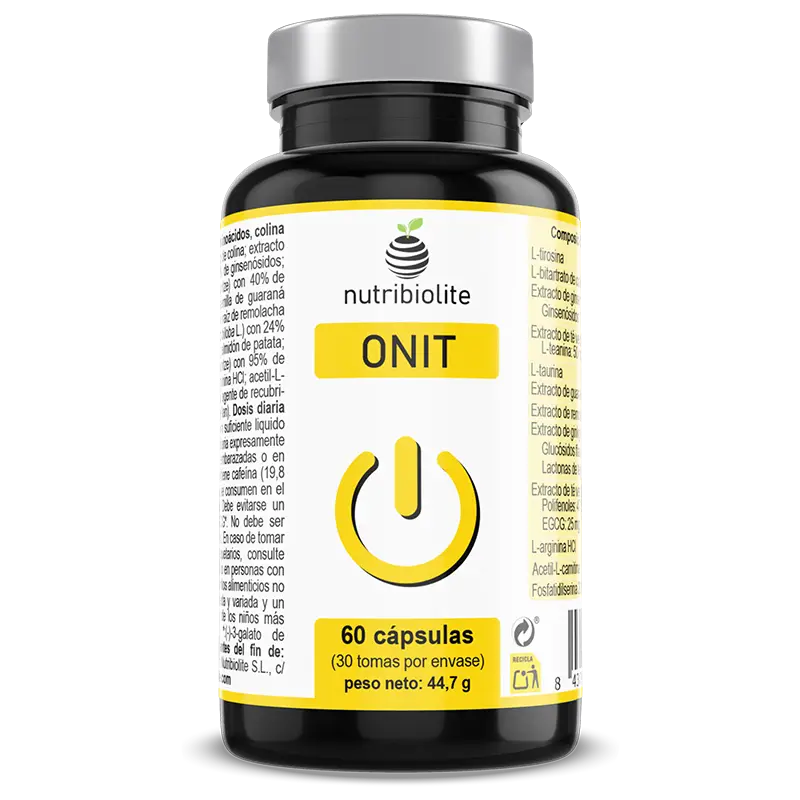
More stable mental clarity for thinking, remembering and sustaining the pace when the day demands a lot.
Typical doubts, clear answers
Is Onit useful if I notice mental fog and dispersion?
Yes, it is precisely designed to support memory, concentration and mental performance when you feel that your attention is easily fragmented.
What if I drink coffee, do I really need anything else?
Coffee stimulates, but it does not always command focus. In addition, many people are looking for a more comprehensive aid to sustain mental clarity without relying only on brief spikes.
Is it noticeable from day one?
Some people notice more focus early on, although the best judgement is usually made after several days of consistent use and a reasonable rest and hydration routine.
Am I worried about becoming dependent on a nootropic?
This is a common objection. Onit is not intended as an aggressive shortcut, but as a supplement to accompany cognitive performance within a sensible lifestyle.
What if my real problem is that I sleep badly or am under stress?
That too should be checked, because no supplement can fully compensate for poor rest or chronic overload. Still, Onit can fit in as a useful support while you sort out those pillars.
It’s worth reading this with a grain of salt
This content is for information only and is not a substitute for the assessment of a health professional. Food supplements should not be used as a substitute for a balanced diet and a healthy lifestyle, and the recommended daily dose should be adhered to. If you are pregnant, breastfeeding, taking medication or have a medical condition, consult a healthcare professional before use.