



The study in Foods (Basel, Switzerland) 2026 takes an in-depth look at red rice yeast, a traditional ferment rich in monacolin K, and shows why it has become one of the most studied functional ingredients for cholesterol management in adults with dyslipidaemia.
The authors review dozens of clinical trials and conclude that standardised red rice yeast extracts are associated with clear reductions in LDL cholesterol and triglycerides, with potency comparable to low-intensity statins. This is important in everyday life because it explains why, even with dietary care, many people still see elevated numbers in their blood tests and need more precise nutritional support.
Red rice yeast shows consistent effect on lipid profile
The paper compiles controlled trials in adults with high cholesterol, many with statin intolerance or mild to moderate dyslipidaemia. Overall, supplementation with red rice yeast standardised in monacolin K was associated with significant decreases in total cholesterol, LDL cholesterol and triglycerides.
A meta-analysis cited in the review indicates reductions in LDL cholesterol close to those obtained with low-intensity statins. Other studies in people who did not tolerate these drugs well showed that moderate doses of monacolin K from red rice yeast improved their lipid profile without increasing serious adverse events during the weeks of intervention.
Why this ferment acts on the internal cholesterol factory
Red rice yeast is obtained by fermenting rice with the fungus Monascus purpureus. During fermentation, monacolins are generated, in particular monacolin K, which is chemically identical to lovastatin. This molecule binds to the enzyme HMG CoA reductase, which is the key to cholesterol synthesis in the liver.
When this enzyme is stopped, the liver manufactures less endogenous cholesterol and increases the uptake of LDL cholesterol from the blood. The result is a progressive reduction in circulating LDL particles, which are the most worrying in the cardiovascular context. The study recalls that, in addition to monacolin K, red yeast rice provides antioxidant pigments, GABA and other compounds that could modulate inflammation and metabolism in a complementary way, although much of this evidence comes from cell and animal models.
Modern life, product variability and the effective dose problem
The review focuses on a particular problem. The enormous variability among red yeast rice products. Analysing commercial supplements, the authors found up to forty-fold differences in the actual monacolin K content per gram of raw material.
This means that a capsule labelled as red rice yeast can provide negligible amounts of monacolin K to very high levels, above the safety thresholds set by the European Food Safety Authority. For the user, the practical outcome is unpredictable. Some people do not reach the effective dose, others are exposed to amounts that increase the risk of muscular and hepatic effects.
The paper also details the risk of citrinin, a mycotoxin produced by some strains of Monascus. In poorly controlled fermentation processes, citrinin can easily exceed the maximum limits allowed in the EU, adding an unnecessary burden on the kidney. This is where the technological quality of each manufacturer comes into play, which must guarantee standardised monacolin K and absence of citrinin through selected strains, optimised fermentation conditions and rigorous analytical controls.
Daily habits that support your cholesterol beyond red rice yeast
The study insists that red yeast rice is integrated into an overall lifestyle strategy. The foundation remains a diet rich in vegetables, fruits, legumes, nuts, whole grains and oily fish, with less added sugars and trans fats. This dietary pattern supports lipid balance and reduces low-grade inflammation.
Regular movement is also key. Brisk walking, stair climbing, gentle strength exercises several times a week and avoiding long periods of sitting help improve insulin sensitivity and the use of fat as an energy source. Getting enough sleep and managing stress with simple techniques, such as deep breathing or active breaks, helps to keep hormones and appetite more stable.
Yet the review shows that, even with good habits, achieving the dose of monacolin K used in the trials is not feasible with traditional fermented foods alone. Herein lies the gap between what science identifies as effective and what modern life allows us to maintain on a daily basis.
How Nutribiolite’s PROTECARDIO aligns with this evidence on red rice yeast
The review highlights that the efficacy of red yeast rice depends on three factors. Standardised monacolin K content, absence of citrinin and formulations that respect the natural matrix of the ferment. PROTECARDIO is designed precisely to meet these technological and physiological challenges.
Rather than relying on generic sources, PROTECARDIO selects red rice yeast with standardised monacolin K and strict citrinin controls. This optimises the benefit observed in trials, provides a known amount of the active compound and reduces the risk associated with heterogeneous products.
In addition, the formula integrates other cardiovascular support components, such as plant sterols and antioxidants, which work synergistically with monacolin K. While red yeast rice acts on internal cholesterol synthesis, sterols compete with cholesterol in the intestine and antioxidants help protect lipoproteins against oxidative damage.
In this way, PROTECARDIO supports several physiological pathways involved in lipid balance. It is designed for adults who already take care of their diet and physical activity and want additional support, in a concentrated formula without unnecessary additives.
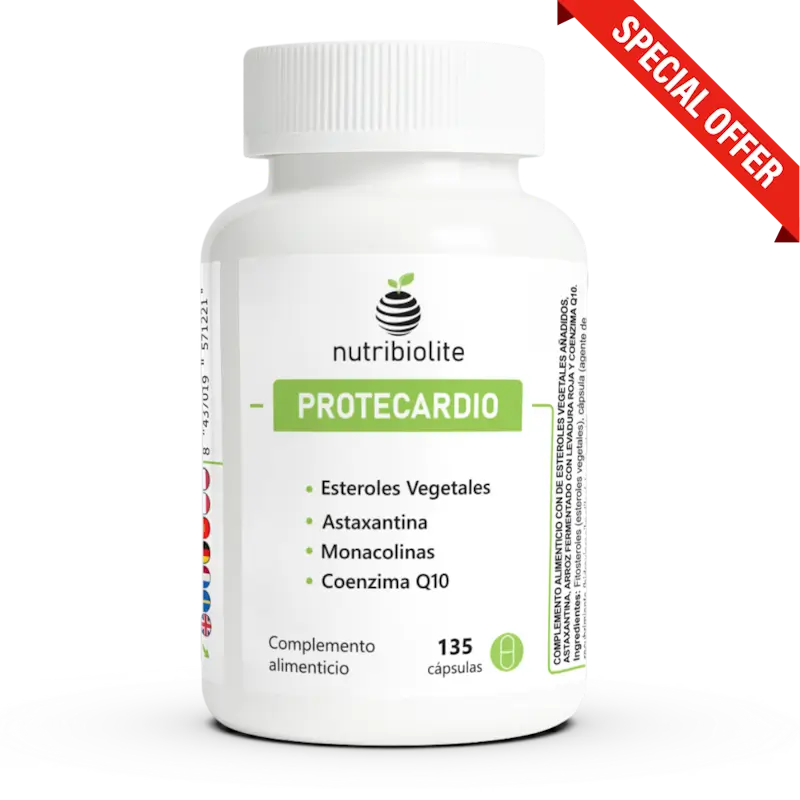
Supplementation with standardised red rice yeast and antioxidant support, targeting cholesterol balance in active adults.
Final summary, ferment science and the role of your habits
The study in Foods 2026 shows that red rice yeast, when standardised and monitored for safety, represents a solid tool in evidence-based nutrition for cholesterol management. Its action on the enzyme HMG CoA reductase explains why so many people see changes in their blood tests when using well-formulated extracts.
At the same time, the review reminds us of the risks of poorly controlled products and the importance of a comprehensive strategy that includes nutrition, movement, rest and, where it makes sense, rigorously designed supplements. In this context, formulas such as PROTECARDIO offer a practical way to bring laboratory-tested dosage and purity closer to daily routine.
This content is for informational purposes only and is not a substitute for the advice of a healthcare professional.
Frequently asked questions
What exactly is red rice yeast?
It is a traditional ferment obtained by cultivating the fungus Monascus purpureus on cooked rice. Monacolin K and other bioactive compounds related to cholesterol metabolism are generated during fermentation.
What the study on cholesterol and red rice yeast concludes
The review brings together clinical trials where standardised extracts of red rice yeast were associated with clear reductions in LDL cholesterol and triglycerides in adults with mild to moderate dyslipidaemia.
Why supplement quality is so important
The authors show large differences between products in actual monacolin K content and presence of citrinin. Without standardisation and analytical controls, dosage may be insufficient or excessive and increase unnecessary risks.
What role do habits have alongside red yeast rice?
Red yeast rice is integrated into a plan that prioritises a diet based on fresh food, regular exercise, sufficient rest and stress management. Supplementation provides precision dosing of monacolin K, which is difficult to achieve through diet alone.
Who PROTECARDIO can make sense for
PROTECARDIO is aimed at adults who want to take care of their cholesterol profile through nutrition, already have good habits in place and are looking for a formula with standardised red rice yeast and antioxidant support for their daily routine.